As the video above highlights, making beer is a process with several distinct stages. It requires time and patience. While the exact duration varies, understanding each phase helps clarify the commitment. Let’s delve deeper into the timeline. We will explore the journey from raw ingredients to a finished glass of beer. This detailed guide offers insights beyond the quick overview.
The Brewing Day: Initial Setup and Wort Creation
The first significant phase is the actual brew day. This takes approximately three to six hours for a typical ale. It involves several critical steps. Imagine starting your day early, full of anticipation. First, grains are mashed. This extracts fermentable sugars from the malt. Hot water plays a crucial role here.
After mashing, the liquid, now called “wort,” is separated. This is known as sparging. The wort then moves to the boil kettle. Hops are added at various stages during the boil. This imparts bitterness, flavor, and aroma. The boiling process also sanitizes the wort. It concentrates sugars and helps achieve desired flavors. Finally, the wort is quickly chilled. This prepares it for yeast addition. This entire initial process is meticulous.
Fermentation: The Yeast’s Hard Work
Once the wort is chilled, it moves into a fermenter. Yeast is then introduced. This marks the beginning of fermentation. For ales, this stage typically lasts one to two weeks. The yeast consumes sugars. It produces alcohol and carbon dioxide. A foamy layer, called “krausen,” often appears. This indicates active fermentation.
Temperature control is vital during this period. Different yeast strains perform best at specific temperatures. Maintaining the right range ensures proper flavor development. Too warm, and off-flavors can develop. Too cold, and the yeast might become sluggish. Some brewers opt for a “diacetyl rest.” This helps clean up certain flavors. It occurs near the end of fermentation. This resting period refines the beer’s profile.
Lagers, in contrast, have a much longer fermentation. They ferment at colder temperatures. This process can extend for weeks. It is often followed by a lagering period. This cold storage helps clarify the beer. It smooths out its flavor profile. Lagering adds significant time to the overall process. This contrasts sharply with quicker ale fermentation.
Conditioning and Carbonation: Finishing Touches
After fermentation, the beer needs conditioning. This phase typically lasts about a week for an ale. Conditioning allows flavors to meld and develop further. It also helps yeast and other particulates settle out. The beer becomes clearer during this time. Some brewers transfer the beer to a secondary fermenter. This reduces contact with spent yeast. It helps prevent off-flavors. However, this step is often optional.
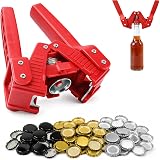
Carbonation is the final step. This adds bubbles to the beer. You have two main options here. Natural carbonation involves adding “priming sugar” to the beer. The residual yeast then consumes this sugar. It produces carbon dioxide inside sealed bottles or kegs. This process usually takes one to three weeks. Forced carbonation uses CO2 gas. This is quicker. It is typically done in a keg. This method can carbonate beer in a few days. The choice depends on equipment and desired speed.
Overall Timelines: Ales vs. Lagers
The video points out that an ale takes one to three weeks. This is from brew day to a drinkable product. This is a common and accurate estimate. However, many variables can influence this. A simple pale ale might be ready quickly. A stronger, more complex ale might benefit from longer conditioning. This extends its overall timeline. Imagine enjoying a quick turnaround on your first homebrew. That is very satisfying.
Lagers, on the other hand, demand much more time. They can easily take two to three months. This includes a longer fermentation. It also involves an extended lagering period. Some traditional lager styles mature for half a year. The patience required for lagers is substantial. However, the resulting crispness is often worth it. This difference in style significantly impacts the beer brewing time.
Factors Influencing Your Beer Brewing Journey
Several elements can impact your brewing timeline. The chosen beer style is paramount. Ales are generally faster than lagers. Higher alcohol beers also take longer. They require more time to ferment fully. They also benefit from longer conditioning. The type of yeast used matters greatly. Some strains are fast and aggressive. Others are slower and more deliberate. Yeast health is also crucial for efficient fermentation.
Your brewing equipment can affect the timeline. Efficient wort chillers speed up the brew day. Temperature control systems allow precise fermentation. This can prevent delays. Bottle conditioning versus kegging also changes things. Bottling adds a few weeks for natural carbonation. Kegging allows for faster forced carbonation. These choices directly influence when you can enjoy your brew. Even the environment plays a part. A warm room speeds ale fermentation. A cool cellar helps lager production. Each decision adds or subtracts from the total process of making beer.
Wort to Wisdom: Your Brewing Questions Answered
What are the main steps in making beer?
Making beer involves distinct stages: the brew day (creating wort), fermentation (yeast turning sugar into alcohol), and conditioning and carbonation (developing flavors and adding bubbles).
How long does it generally take to make a batch of ale?
Making an ale typically takes one to three weeks from the initial brew day to a drinkable product. This includes brewing, fermentation, and conditioning.
What is ‘wort’ in the brewing process?
Wort is the sugary liquid created on brew day by extracting sugars from grains and boiling them with hops. It becomes beer once yeast is added.
What is the purpose of fermentation in brewing?
During fermentation, yeast consumes the sugars in the wort and converts them into alcohol and carbon dioxide, transforming it into beer. This stage usually lasts one to two weeks for ales.
What is the final step to get bubbles in my beer?
The final step is carbonation, which adds bubbles to the beer. This can be done naturally in bottles or kegs with priming sugar, or quickly using CO2 gas in a keg.