Every homebrewer knows the thrill of a brew day, especially when it involves a touch of improvisation. Sometimes, the best beers come from adapting to what you have, and embracing the unexpected. The video above showcases a fantastic example of this – brewing a delicious Belgian Pale Ale with limited ingredients and a spirit of experimentation, all while achieving an impressively high gravity that turned a standard brew into a “double” by surprise!
The journey from grain to glass is often as much about problem-solving as it is about following a recipe. This particular brew day, set in the Pacific Northwest, highlights the beauty of the brew-in-a-bag (BIAB) method, unexpected mash efficiency, and the responsible recycling of spent grain. Let’s delve deeper into crafting a Belgian-style Pale Ale and explore the nuances that make this a captivating brewing adventure.
Understanding the Belgian Pale Ale Style
The Belgian Pale Ale (BPA) is a style often characterized by a delicate balance of fruity esters, a hint of spicy phenols from the yeast, and a solid malt backbone. Unlike its more assertive cousins like Tripels or Saisons, BPAs are typically more restrained, offering a complex yet approachable drinking experience. They tend to be highly attenuated, providing a dry finish that enhances their refreshing qualities.
The brewer in the video aimed for a “Belgeny fruitiness” and wisely chose ingredients to support this profile. Key to any Belgian ale, however, is the yeast. Belgian yeast strains are notorious for producing a wide array of fascinating flavor compounds. These include esters, which contribute fruity notes like banana or pear, and phenols, which can lend spicy characters such as clove or pepper. Managing these flavors through yeast selection and fermentation temperature control is paramount for achieving a balanced Belgian Pale Ale.
The Brew-in-a-Bag (BIAB) Method: Simplicity Meets Efficiency
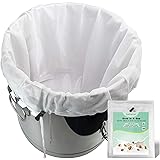
Brew-in-a-Bag has revolutionized homebrewing for many, offering an all-grain experience with minimal equipment. This method uses a single vessel for mashing and boiling, with the grains contained within a large mesh bag. This eliminates the need for a separate mash tun and lauter tun, simplifying the process significantly. The video’s brewer clearly favors this method, demonstrating its practicality even when brewing away from home with limited gear.
While often associated with slightly lower mash efficiency compared to traditional three-vessel systems, BIAB can achieve excellent results with proper technique. Factors like a finer grain crush, thorough stirring during the mash, and effective squeezing of the grain bag can boost extract efficiency considerably. The video’s astounding 87% mash efficiency is a testament to how effective BIAB can be when executed well.
Crafting the Grain Bill for a Belgian Pale Ale
A well-designed grain bill forms the foundation of any great beer. For this Belgian Pale Ale, the brewer opted for a straightforward yet effective combination:
- 10 lbs 2-Row Malt: This is the primary base malt, providing the bulk of fermentable sugars and a clean, neutral canvas for other flavors.
- 4 oz Caramel 10 Malt: Often called Crystal 10, this specialty malt contributes a light golden color, subtle caramel sweetness, and improved body. It enhances the mouthfeel and adds a layer of complexity without being overpowering.
- 2 oz Honey Malt: A unique specialty malt known for imparting distinctive honey-like and bready flavors and aromas. In a Belgian Pale Ale, it can accentuate the fruity esters from the yeast and add a pleasant, rounded sweetness.
This grain bill supports the “super simple” approach the brewer described, focusing on core elements that allow the yeast and hop character to shine through while providing a robust malt profile. Balancing these malts is crucial; too much specialty malt can lead to a heavy, overly sweet beer, while too little might result in a thin body.
Water Chemistry: The Unseen Ingredient
The brewer humorously noted having “no idea what the water profile is” from the well water used. While many homebrewers diligently adjust their water with various salts to match specific beer styles, this brew demonstrates that sometimes, excellent results can come from simply using good, clean water. However, understanding water’s role is still beneficial.
Water chemistry profoundly impacts mash pH, enzyme activity, hop bitterness, and overall beer flavor. For instance, calcium can enhance yeast flocculation and clarity, while sulfates can make hop bitterness seem crisper. Chlorides, on the other hand, can round out malt flavors and improve mouthfeel. While this brew worked out, for brewers looking to consistently replicate results or target specific styles, investing in a water report and making calculated adjustments can elevate beer quality significantly.
Mashing Temperatures and Efficiency
The mashing process involves steeping crushed grains in hot water to convert starches into fermentable sugars. The temperature of this mash is critical as it dictates which enzymes are most active, thereby influencing the final beer’s body and sweetness. The brewer targeted a mash temperature of 152°F (around 67°C) and achieved it despite cold outdoor conditions.
A mash temperature around 150-154°F (65-68°C) typically produces a balanced beer with moderate body and good fermentability, suitable for a Belgian Pale Ale. Higher temperatures lead to more unfermentable sugars and a sweeter, fuller-bodied beer, while lower temperatures result in a drier, thinner beer. The 45-minute mash duration, while shorter than many recommended 60-minute mashes, still yielded an impressive 87% efficiency. This highlights that many factors contribute to efficiency, including grain crush, pH, and constant temperature throughout the mash.
Boil Additions: Hops, Lemon, and Chilling
The boil serves multiple purposes: sanitizing the wort, concentrating sugars, driving off unwanted volatile compounds, and, crucially, adding hops. Hops contribute bitterness, flavor, and aroma, and their impact varies based on when they are added during the boil.
- 20-Minute Addition (1 oz Tropica Hops): This addition provides a foundation of hop bitterness and flavor. Tropica hops are known for their strong tropical fruit, citrus, and stone fruit notes, complementing the Belgian fruitiness.
- 5-Minute Addition (1 oz Tropica Hops, 1 oz Julius Hops, 8g Lemon Peel): These late additions are primarily for aroma and flavor. Julius hops, often associated with juicy IPAs, bring a burst of citrus and stone fruit. The lemon peel is a unique touch, specifically chosen to enhance the “Belgeny fruitiness” and add a bright, zesty character, providing a fresh dimension to the Belgian Pale Ale.
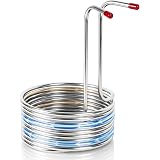
Once the boil is complete, rapid cooling is essential to prevent off-flavors and minimize the risk of bacterial contamination. The immersion chiller, a simple yet effective device, facilitates this by circulating cold water through a coil submerged in the hot wort. The cold well water in Washington helped achieve the target 68°F (20°C) quickly, setting the stage for healthy yeast pitching.
The Shocking Original Gravity and ABV Calculation
One of the most thrilling (and sometimes startling) moments for a brewer is taking original gravity (OG) readings. The brewer used a refractometer, a handy tool for quick measurements that uses Brix (a sugar concentration scale). A critical detail for refractometer use is applying a correction factor, especially for post-boil wort, or converting Brix to specific gravity (SG).
The initial target ABV for this Belgian Pale Ale was 5%. However, the pre-boil reading of 1.063 SG (from 15 Brix) already indicated higher efficiency than planned. The final original gravity post-boil of 1.081 SG (from 19 Brix) was a significant jump, leading to an estimated ABV of 8.3%. This unexpected increase transforms the beer into a “double” or a stronger Belgian Ale, a delightful surprise for any homebrewer. This high efficiency, at 87%, meant the grains yielded far more fermentable sugars than anticipated, resulting in a more potent brew.
Yeast Selection and Fermentation: Safale S-33
The choice of yeast is arguably the most crucial decision for any Belgian-style beer. The brewer pitched Safale S-33, a popular dried Belgian Ale yeast. S-33 is known for producing moderate esters and phenols, contributing to a fruity and slightly spicy profile without being overly phenolic. It has good attenuation, meaning it consumes a good amount of sugars, leading to a relatively dry finish, even with a high original gravity.
The brewer also mentioned not rehydrating the yeast, a practice some homebrewers follow. While rehydration is generally recommended to ensure maximum yeast viability and a healthy fermentation start, many experienced brewers pitch dry yeast directly into the wort without issues. This often comes down to yeast health, pitching rate, and personal experience. Controlling fermentation temperature is also vital for Belgian strains; cooler temperatures often yield cleaner, less ester-driven profiles, which was the brewer’s intent for avoiding “overly Belgian” off-flavors.
Sustainability in Brewing: Recycling Spent Grain
Brewing, while rewarding, can be resource-intensive, particularly in water usage and grain waste. The video highlighted an excellent initiative: recycling spent grain. Spent grain, the solid residue left after mashing, is rich in fiber and protein, making it a valuable resource rather than waste.
- Dog Treats: As demonstrated in the video, spent grain makes fantastic, healthy dog treats. The high fiber content is good for canine digestion, and most dogs adore the malty flavor. The brewer even shared her neighbor’s dog’s enthusiastic approval!
- Chicken Feed: For those with backyard chickens, spent grain is a nutritious supplement to their diet. Chickens readily consume it, turning brewing byproduct into farm-fresh eggs.
- Baking: Spent grain can be incorporated into various baked goods for human consumption, such as bread, crackers, and granola bars, adding a unique texture and flavor.
- Compost: If other uses aren’t feasible, spent grain is an excellent addition to a compost pile, enriching soil for gardening.
Embracing these practices not only minimizes environmental impact but also adds another layer of satisfaction to the brewing process, aligning with a broader ethos of resourcefulness and sustainability.
From Grain to Glass: Your Belgian Pale Ale Q&A
What is a Belgian Pale Ale?
A Belgian Pale Ale (BPA) is a beer style characterized by a delicate balance of fruity flavors from yeast, a hint of spicy notes, and a solid malt backbone. It tends to be dry and refreshing.
What is the Brew-in-a-Bag (BIAB) method for homebrewing?
BIAB is a simple all-grain brewing technique where you mash and boil in a single pot, using a large mesh bag to contain the grains. This method reduces the amount of equipment needed, making it popular for homebrewers.
Why is yeast so important in Belgian-style beers?
Yeast is crucial for Belgian beers because specific Belgian yeast strains produce unique fruity flavors (esters) like banana or pear, and spicy notes (phenols) like clove. These compounds define the beer’s distinct character.
What are ‘spent grains’ from brewing, and what can they be used for?
Spent grains are the leftover malt solids after brewing. They are rich in fiber and protein and can be repurposed into treats for dogs, feed for chickens, or even used in baking for human consumption.