With an estimated 4% of viewers being female, the world of homebrewing might appear to be a male-dominated hobby, yet its appeal transcends traditional demographics. Regardless of who is brewing, the pursuit of crafting delicious beer at home is a passion shared by many. As emphasized in the accompanying video, the current supply chain challenges mean that securing essential homebrew beer brewing equipment requires foresight, especially when considering gifts for the upcoming holiday season or other special occasions.
This comprehensive guide delves into some of the top must-have items that are highly recommended for any serious homebrewer, particularly those engaged in all-grain brewing. While many of these tools are indispensable for larger five or six-gallon batches, their utility often extends to smaller scales and can significantly enhance the brewing process for extract brewers looking to upgrade. The selection of the right homebrew beer brewing equipment can truly elevate the quality and enjoyment of your craft.
1. All-In-One Brewing Systems: The Foundation of Modern Homebrewing
For those looking to streamline their brew day, all-in-one systems are considered a game-changer. These integrated units combine the mash tun, lauter tun, and boil kettle into a single, efficient piece of equipment, simplifying the brewing process significantly. Such systems are often seen as an ideal investment for serious all-grain brewers.
The Anvil Foundry 10.5-gallon system, for instance, is frequently highlighted for its versatility and robust construction. Priced around $400 without a recirculation pump or $500 with one, it offers great value. Its ability to switch between 110V and 240V provides flexibility in power sources, and a small batch adapter, available for approximately $30, allows for brewing batches as small as two gallons. Another excellent option, the BrewZilla 3.1.1 – 35L, is typically found in the $400 to $480 range and also includes a pump. A key feature shared by both systems is their low-density burners, which are crucial for preventing scorching and ensuring a consistent temperature during the mash, ultimately leading to a clearer, better-tasting beer.
2. Advanced Fermentation Solutions: Conical and Budget-Friendly Fermenters
Once the wort has been chilled, it is transferred to a fermenter, where yeast performs its magic. The choice of fermenter can profoundly impact the ease of fermentation and the final beer quality. High-quality fermenters, such as the Anvil Crucible Conical Fermenter, are often lauded for their design and functionality.
A 7-gallon Anvil Crucible system is typically available for around $275, while a 14-gallon version, suitable for larger 10-gallon batches, is priced at approximately $325. These conical fermenters are known for their ease of cleaning and the ability to collect yeast from the cone, allowing for yeast harvesting and re-pitching. Numerous accessories, such as leg extensions for convenient keg-filling clearance, yeast capturing add-ons, and zero-oxygen transfer kits, further enhance the system’s capabilities. For those seeking a more budget-conscious alternative, versatile plastic fermenters are available for about $60, with additional straps for stability costing an extra $10 to $12. These allow for both pressure and non-pressure fermentation, offering flexibility without a significant financial outlay.
3. Wort Chilling Innovations: Rapid Cooling with Immersion Chillers
Cooling hot wort quickly after the boil is critical for preventing off-flavors and ensuring a clean fermentation. Immersion chillers are a popular and effective method for achieving this. The Jaded Brewing Scylla Chillers, for example, are highly regarded for their exceptional performance.
These chillers, typically priced around $170, are engineered to cool wort rapidly, often described as performing like three standard immersion chillers in one. Their robust construction ensures durability, with many users reporting their chillers remain in excellent condition even after a year or more of use. Investing in an efficient chiller is seen as a way to significantly improve brew day efficiency and the overall quality of the finished product, making it a valuable addition to any homebrewer’s arsenal.
4. Essential Grain Preparation: The Cereal Crusher
For homebrewers transitioning from extract brewing to all-grain, or for seasoned all-grain brewers who prefer to mill their own grain, a high-quality grain mill is indispensable. Milling grain at home provides precise control over the crush, which directly impacts extraction efficiency during the mash.
A simple cereal crusher, often costing between $100 and $120 (though sometimes available for as low as $89), is a recommended tool. It offers consistent performance and reliability, allowing brewers to achieve the desired crush size for their specific recipes. The ability to use an electric drill with the mill further simplifies the process, making grain preparation a quick and effortless task. This level of control is a key advantage for those serious about their all-grain brewing endeavors.
5. The Indispensable Mash Paddle: A Brewer’s Best Friend
A mash paddle might seem like a minor detail, but its importance during the mash cannot be overstated. It is used to stir the grain bed, ensuring even temperature distribution and preventing scorching, especially when using direct-fired systems or electric all-in-one units.
Custom wooden mash paddles, such as those crafted by artisans like Beer City Wood Works (available on Etsy for $50 to $100), are not only functional but also add a touch of craftsmanship to the brew day experience. These paddles come in various sizes and designs, allowing brewers to choose one that perfectly suits their brewing setup. The tactile experience of using a well-made wooden paddle is often appreciated, particularly when working with specialized grain bills containing wheat or rye, which can be prone to sticking.
6. Smart Fermentation Monitoring: The Tilt Hydrometer
Monitoring fermentation progress traditionally involves taking samples and using a physical hydrometer, which exposes the beer to oxygen and potential contamination. Modern technology offers a more convenient solution with devices like the Tilt Hydrometer.
Priced at approximately $135, the Tilt Hydrometer allows for real-time, remote monitoring of specific gravity and temperature within the fermenter. This enables brewers to track fermentation activity without ever opening the vessel, significantly reducing the risk of infection and oxidation. These devices are particularly useful for conical fermenters or glass carboys with small openings, as they are designed to fit seamlessly. While batteries are sometimes a concern, many users report exceptional longevity, with some batteries lasting over three years, providing continuous data throughout the fermentation cycle.
7. Precision Gravity Readings: Physical Hydrometer with Thermometer
While smart hydrometers offer convenience, a traditional physical hydrometer remains an essential tool for calibration and verifying readings. Accuracy in gravity readings is fundamental for calculating alcohol content and understanding fermentation efficiency.
A triple-scale brewing hydrometer, particularly one that includes a built-in thermometer, is highly recommended. The Brewing America hydrometer, for instance, is offered as a full kit, including a glass test tube, cleaning rag, and brush, for about $45. The integrated thermometer is particularly useful as hydrometer readings are typically calibrated for 60°F. If the wort temperature is different, the thermometer allows for accurate temperature correction using a calculator, ensuring the true specific gravity is known. This meticulous approach to measurement is a hallmark of consistent and high-quality homebrewing.
8. Instant Temperature Verification: Infrared Thermometer
Beyond specific gravity, temperature control is paramount throughout the brewing process, from mashing to fermentation. An infrared thermometer provides a quick and non-contact method for measuring surface temperatures.
An inexpensive and reliable infrared temperature probe from a trusted brand like Inkbird is an invaluable piece of equipment. It allows brewers to instantly check the surface temperature of their wort in a pot, assess mash tun temperatures, or even diagnose issues with other equipment, such as air conditioning units. While it measures surface temperature, its convenience makes it highly useful for quick checks, complementing more precise, submerged thermometers, especially when working with traditional kettles that lack integrated temperature sensors.
9. Streamlined Bottling for Sharing: The Tap Cooler
After all the effort put into brewing and fermenting, sharing the finished product with friends is often the most rewarding part. The bottling process can be tedious, but specialized tools like the Tap Cooler aim to simplify it.
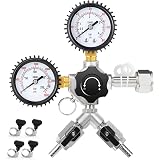
The Tap Cooler, available for approximately $80, is designed for single-person operation, making it ideal for solo brewers who often lack extra hands. This device connects directly to a keg tap, allowing for counter-pressure filling of bottles. This method minimizes oxygen exposure, which is crucial for preserving the beer’s freshness and flavor. Its compact size and ease of use make it an excellent tool for packaging beer for distribution among friends, ensuring that the five gallons of beer made can be enjoyed by many without one person having to consume it all.
10. Secure Bottle Sealing: The Bench Bottle Capper
Once bottles are filled, they need to be securely sealed to maintain carbonation and prevent spoilage. A reliable bottle capper is a fundamental piece of homebrew beer brewing equipment, and a bench capper is widely favored over handheld alternatives.
A sturdy bench bottle capper is essential for quickly and consistently capping bottles without risking breakage. Its adjustable design accommodates various bottle sizes, from standard to shorter Sierra Nevada bottles, with quick adjustments often marked for convenience. Unlike less stable handheld cappers, a quality bench capper provides leverage and stability, virtually eliminating the risk of cracked bottle necks. It is often equipped with holes for mounting onto a wooden surface, ensuring complete stability during the capping process.
11. Efficient Bottle Storage and Drying: The Bottle Tree
For brewers who bottle their beer, managing and sanitizing empty bottles efficiently is an ongoing task. A bottle tree provides an organized and space-saving solution for drying and storing bottles.
These specialized racks, which can hold anywhere from 45 to 90 bottles, allow freshly rinsed bottles to air dry thoroughly while minimizing their footprint. A bottle tree typically takes up very little floor space, making it a practical addition for homebrewers with limited storage. By keeping a rotating stock of clean, dry bottles, brewers can efficiently transition from drinking a commercial beer to rinsing its bottle, placing it on the tree, and having it ready for the next bottling session with the tap cooler and bench capper. This systematic approach ensures that sharing homebrew with friends is a seamless and enjoyable experience.
From Kettle to Keg: Your Homebrew Equipment & Gifts Q&A
What is an all-in-one brewing system?
An all-in-one brewing system combines several pieces of equipment, like the mash tun, lauter tun, and boil kettle, into a single unit. This integration helps streamline and simplify the brewing process for homebrewers.
What is a fermenter used for in homebrewing?
A fermenter is a vessel where the chilled liquid (wort) is transferred after brewing, allowing yeast to convert sugars into alcohol. The choice of fermenter can impact how easily you ferment and the final quality of your beer.
Why is it important to cool the wort quickly after boiling?
Rapidly cooling the hot wort (unfermented beer) after the boil is critical for preventing the development of off-flavors in your finished beer. It also ensures a clean and healthy fermentation by quickly bringing the wort to the ideal temperature for the yeast.
What is a hydrometer used for in homebrewing?
A hydrometer is a tool used to measure the specific gravity of your wort or beer, which helps determine its sugar content and track fermentation progress. This allows you to calculate the alcohol content of your homemade beer.