Are you eager to transform your daily coffee ritual into an extraordinary experience, consistently achieving the perfect cup at home? Many home enthusiasts aspire to enhance their brewing prowess, moving beyond basic preparation to genuinely understand and master the nuanced art of coffee creation. The video above introduces a comprehensive guide dedicated to elevating your home coffee brewing, offering a structured approach to mastering the craft.
Indeed, the journey to making the best coffee at home can appear daunting, especially when confronted with the myriad of choices in beans, equipment, and methods. However, with expert guidance, this complexity is systematically demystified, allowing for a pleasurable and rewarding experience. This detailed exploration is designed to complement the video, providing expanded insights into each critical aspect of home coffee preparation, ensuring that superior results are consistently obtained.
Navigating the World of Coffee Beans: How to Buy Great Coffee
The foundation of any exceptional brew invariably begins with the selection of high-quality coffee beans. It is frequently observed that consumers become overwhelmed by the vast array of options available, ranging from single origins to proprietary blends, each with distinct roast profiles and flavor descriptions. Consequently, an informed approach to purchasing coffee is paramount for making the best coffee at home.
Firstly, the roast date is a crucial indicator of freshness; coffee is ideally consumed within a few weeks of roasting. Furthermore, understanding the origin of the beans can provide valuable clues about their potential flavor characteristics. For example, coffees from Ethiopia are often characterized by floral and fruity notes, whereas those from Brazil frequently exhibit nutty and chocolatey undertones. Therefore, a discerning eye for these details significantly influences the final cup quality.
Moreover, the roast level — light, medium, or dark — dictates the intensity and solubility of the coffee. Lighter roasts tend to preserve the delicate, inherent flavors of the bean, while darker roasts introduce more prominent smoky and caramelized notes. When purchasing, attention should also be paid to ethical sourcing practices, such as Fair Trade or Direct Trade certifications, which ensure sustainability and fair compensation for producers. These considerations collectively empower the home brewer to make educated choices, ensuring that the raw material for their perfect brew is of the highest caliber.
Essential Equipment for Superior Home Coffee Brewing
Achieving consistently great coffee at home necessitates more than just premium beans; the right equipment also plays an indispensable role. While the market is replete with a wide range of coffee paraphernalia, identifying truly essential items from “nice-to-haves” is critical for budget-conscious yet quality-focused brewers. Investment in key pieces of equipment demonstrably improves brewing consistency and flavor extraction.
The Importance of a Quality Grinder
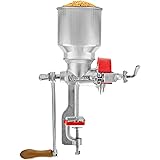
Central to any home coffee setup is a high-quality grinder, a component often undervalued by novice brewers. A burr grinder, whether manual or electric, is universally recommended over blade grinders because it produces a uniform particle size, which is essential for even extraction. Inconsistent grind size leads to both over-extracted (bitter) and under-extracted (sour) flavors in the same brew, a common pitfall in home coffee brewing.
Moreover, the ability to adjust grind size accurately is fundamental, as different brewing methods demand specific coarseness levels. For instance, an espresso machine requires a very fine grind, whereas a French press benefits from a coarse grind. Consequently, a grinder offering precise control over particle size is not merely a convenience but a necessity for consistently making the best coffee at home.
Precision Brewing Tools
Beyond the grinder, several other tools contribute significantly to brewing excellence. A digital scale is essential for accurately measuring coffee and water by weight, thereby eliminating variability introduced by volumetric measurements. This precision ensures that brew ratios are consistently maintained, a cornerstone of repeatable quality.
Furthermore, a gooseneck kettle, particularly one with temperature control, allows for precise water temperature management and controlled pouring, which are vital for methods like pour-over. Correct water temperature is crucial for optimal extraction; water that is too hot can lead to over-extraction, while water that is too cool can result in under-extraction. Therefore, investing in these precision tools is an investment in the consistency and quality of one’s home coffee brewing.
Cultivating Your Palate: How to Taste Coffee
Developing a sophisticated coffee palate is an invaluable skill for any home brewer, transforming coffee consumption from a mere routine into a rich sensory experience. This ability not only enhances enjoyment but also provides crucial feedback for refining brewing techniques. Consequently, understanding how to taste coffee objectively is an essential step toward making the best coffee at home.
The process of coffee tasting, often referred to as cupping in professional settings, involves systematically evaluating a coffee’s aroma, acidity, body, sweetness, and distinct flavor notes. Aroma is first perceived olfactorily, providing initial cues about the coffee’s character, such as floral, fruity, or nutty fragrances. Subsequently, the coffee is tasted, allowing its various attributes to be discerned.
Acidity in coffee, often mistaken for bitterness, refers to the bright, lively sensations that contribute to its complexity, much like in wine. Body describes the tactile sensation or weight of the coffee on the tongue, which can range from light and tea-like to full and creamy. As one’s palate develops, specific flavor notes, such as berries, citrus, chocolate, or caramel, become more identifiable, enabling a deeper appreciation and a more precise understanding of how brewing adjustments impact these characteristics. This iterative process of tasting and adjusting ultimately empowers the brewer to achieve their desired flavor profile with greater consistency.
Mastering Diverse Home Coffee Brewing Methods
The versatility of coffee lends itself to numerous brewing methods, each capable of yielding a distinct sensory experience. Comprehensive understanding of these popular techniques, along with their underlying principles, is fundamental to mastering the art of making great coffee at home. Whether a preference is for clarity or richness, a suitable method exists for every palate.
Pour-Over Brewing
Pour-over methods, exemplified by devices such as the Hario V60 or Chemex, are celebrated for producing clean, bright cups that highlight the nuanced flavors of specialty beans. This technique involves carefully pouring hot water over a bed of coffee grounds in a filter cone, allowing gravity to draw the infused liquid through. Precision in water temperature, grind size (medium-fine), and pour rate is paramount for even extraction.
Initially, a “bloom” pour is conducted, saturating the grounds to allow carbon dioxide to escape, which prevents sour flavors and prepares the coffee for optimal extraction. Subsequent pours are then executed in a controlled, circular motion, ensuring uniform saturation. Consequently, the pour-over method, while requiring attention to detail, offers unparalleled clarity and flavor articulation, making it a favored choice among enthusiasts.
Immersion Brewing: French Press and AeroPress
In contrast to pour-over, immersion brewing methods like the French press and AeroPress allow coffee grounds to steep completely in hot water for a defined period. The French press, known for its rich body and robust flavor, employs a coarse grind and a steeping time typically between four to six minutes before the plunger separates the grounds. Due to the mesh filter, some fine sediment may remain, contributing to its characteristic mouthfeel.
The AeroPress, a highly versatile device, can produce a concentrated coffee, a full-bodied brew, or even a shot resembling espresso, depending on the grind size and brewing parameters. Its paper filters lead to a cleaner cup compared to the French press, and its sealed chamber allows for precise control over extraction. Both methods are appreciated for their simplicity and the full-bodied brews they produce, appealing to those who prioritize richness in their cup.
Automatic Drip Coffee Makers
For convenience, automatic drip coffee makers remain a popular choice, providing a straightforward way to brew larger quantities. While often associated with less precise results, modern drip machines with SCA (Specialty Coffee Association) certification can deliver excellent brews by ensuring proper water temperature and spray head design. Achieving quality with these machines still benefits from using freshly ground, quality beans and appropriate water-to-coffee ratios. Consequently, even daily convenience can be significantly improved with mindful selection and preparation.
Iced Coffee and Cold Brew: Refreshing Alternatives
As warmer seasons emerge, or simply for a different coffee experience, iced coffee and cold brew offer refreshing alternatives to hot beverages. Often confused, these two preparations are distinct in their brewing processes and resulting flavor profiles, each presenting unique advantages for the home brewer intent on making the best coffee at home.
Crafting Iced Coffee
Iced coffee is traditionally brewed hot, often as a stronger concentrate, and then poured over ice. The rapid chilling helps preserve the aromatic compounds and flavors that are extracted during the hot brewing process. A common approach involves brewing coffee at a slightly higher concentration (e.g., a 1:10 coffee-to-water ratio instead of 1:16) to account for dilution from melting ice. Alternatively, brewing directly onto ice, sometimes called the Japanese method, can also be employed, which instantly chills the coffee while maintaining its vibrant acidity and complex flavors.
The Art of Cold Brew
Cold brew, conversely, involves steeping coarse coffee grounds in cold or room-temperature water for an extended period, typically 12 to 24 hours. This low-temperature, long-duration extraction method results in a coffee concentrate that is remarkably smooth, low in acidity, and inherently sweet, as compounds responsible for bitterness and acidity are less soluble in cold water. The concentrate is then filtered and diluted with water or milk to taste, often served over ice. The cold brew process, while requiring patience, yields a distinctively mellow and rich flavor profile, offering a different dimension to home coffee consumption.
Demystifying Espresso: From Machine to Masterpiece
Espresso is arguably the pinnacle of coffee brewing, a concentrated elixir that forms the basis for numerous milk-based beverages and stands alone as a potent, complex drink. The journey to making high-quality espresso at home often appears challenging, but with an understanding of the equipment and underlying theory, it transforms from a “fussy, finicky hobby” into an absolute pleasure. Therefore, delving into the intricacies of espresso is essential for those seeking to truly master home coffee brewing.
Selecting the Right Espresso Machine and Grinder
The core of an effective home espresso setup involves a suitable machine and a high-performance grinder. Espresso machines are primarily categorized into semi-automatic, super-automatic, and lever models. Semi-automatic machines offer the most control over variables such as grind size, dose, and shot time, requiring a manual initiation and termination of the shot. Super-automatic machines automate most of the process, from grinding to brewing, offering convenience at the expense of control. Lever machines, while traditional, demand significant manual skill.
Crucially, an espresso-specific burr grinder is non-negotiable. Espresso requires an exceptionally fine and consistent grind, with minute adjustments significantly impacting the shot. A grinder capable of these micro-adjustments ensures that the optimal resistance is created for the pressurized water, leading to balanced extraction and crema formation. Consequently, the synergy between a capable machine and a precision grinder forms the bedrock of exceptional home espresso.
The Theory and Practice of Espresso Extraction
The theoretical underpinnings of espresso extraction revolve around pressure, temperature, time, and dose. Water, heated to approximately 90-96°C (195-205°F), is forced through a compacted bed of finely ground coffee at high pressure (typically 9 bars). This process rapidly extracts soluble solids, oils, and gases, resulting in a small, concentrated beverage topped with crema—a reddish-brown foam. Pre-infusion, a brief low-pressure wetting phase, is often employed to saturate the coffee puck evenly before full pressure is applied, promoting a more uniform extraction.
Mastering espresso involves constant experimentation with grind size, dose (typically 18-20 grams for a double shot), and yield (the weight of the extracted liquid, aiming for a 1:2 ratio within 25-30 seconds). Tamping, the act of compressing the coffee grounds into a dense puck, is also critical for creating uniform resistance. With dedicated practice and an understanding of these variables, consistently excellent espresso can be produced, elevating the home coffee brewing experience to new heights.
Spill the Beans: Your Coffee Questions Answered
What should I look for when buying coffee beans for home brewing?
When buying coffee beans, prioritize a recent roast date for freshness. Also, consider the bean’s origin and roast level, as these greatly influence the final flavor of your coffee.
What is the most important piece of equipment for a beginner brewer to invest in?
A high-quality burr grinder is essential. It ensures a uniform particle size, which is critical for consistent extraction and prevents your coffee from tasting bitter or sour.
How do different coffee brewing methods affect the taste?
Different methods yield distinct tastes; pour-over often results in a clean, bright cup, while immersion methods like French press produce a rich and full-bodied brew.
What is the difference between iced coffee and cold brew?
Iced coffee is typically brewed hot and then chilled over ice, preserving its original flavor profile. Cold brew is steeped in cold water for many hours, which results in a smoother, less acidic, and naturally sweeter concentrate.