Crafting delicious cold brew coffee in the comfort of your own home is an effortlessly simple endeavor, requiring only a common jar and a piece of cheesecloth, as demonstrated in the accompanying video. This accessible method allows for the creation of a smooth, low-acid coffee concentrate, suitable for enjoyment at any time. The process transforms everyday coffee grounds into a sophisticated beverage, offering a refreshing alternative to traditional hot brewing techniques.
Understanding the Essentials of Mason Jar Cold Brew
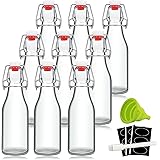
The foundation of exceptional cold brew relies upon a few fundamental components, meticulously selected for optimal flavor extraction. Your chosen vessel, most commonly a mason jar, should be clean and possess a wide mouth for ease of access. This simple container serves as the primary brewing chamber, holding the coffee grounds and water together during the steeping period.
Success with mason jar cold brew is often attributed to the quality of ingredients utilized. Filtered water is typically preferred over tap water, as it can significantly enhance the purity and overall taste profile of the final concentrate. The mineral content in tap water sometimes imparts off-flavors that detract from the subtle nuances of the coffee, making filtered water a wise choice for discerning palates.
The Art of Coffee Ground Selection for Homemade Cold Brew
The type of coffee grounds employed is critically important when undertaking the cold brew process. As highlighted in the video, coarse coffee grounds are explicitly recommended for this particular brewing method. This specific grind size is chosen for several strategic reasons that directly impact the quality and clarity of the resulting beverage.
Fine grounds, similar to sand, would lead to over-extraction, producing a bitter and muddy concentrate that is difficult to filter effectively. A coarse grind, resembling breadcrumbs or sea salt, allows for a slow, even extraction of flavors and minimizes the presence of undesirable sediment. This distinction is much like attempting to sieve flour versus gravel; the larger particles of gravel are easily separated, producing a cleaner result.
When selecting your coffee, darker roasts are frequently favored for cold brew, as they tend to yield a richer, more robust flavor that stands up well to dilution. However, medium roasts can also be wonderfully expressive, offering brighter notes and a smoother finish. Experimentation with different roasts and single-origin beans is encouraged to discover your personal preference for homemade cold brew.
Mastering the Steeping Process: Ratios and Time for Optimal Cold Brew
The precise ratio of coffee grounds to water is a cornerstone of consistently delicious cold brew. A commonly recommended starting point, as mentioned in the video, is four tablespoons of coarse coffee grounds for every six ounces of cold or room temperature water. This proportion often strikes a harmonious balance between strength and smoothness, producing a concentrate that can be easily customized to individual tastes.
During the steeping phase, the coffee and water are allowed to mingle gently, enabling a gradual infusion of flavor without the harshness associated with hot water extraction. This extended contact time is crucial for developing the characteristic smooth profile of cold brew. The jar, covered loosely with cheesecloth, is left to rest, preventing airborne contaminants from entering while still allowing for some airflow.
The steeping duration is often seen as the heartbeat of the cold brew process; a minimum of 12 hours is generally advised. Extending this period to 18 or even 24 hours can yield a more intense and full-bodied concentrate, depending on the desired strength. Just as a slow simmer allows flavors to deepen in a stew, the prolonged cold steeping permits a complex extraction of coffee solubles, minimizing acidity and bitterness.
Perfecting Your Cold Brew Concentrate: Straining and Serving Suggestions
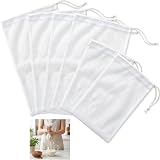
Once the steeping period has concluded, the concentrate is carefully separated from the grounds. Straining the cold brew through cheesecloth, as demonstrated, is a simple and effective method for achieving a relatively clear liquid. This process can be compared to filtering wine; sediment is removed, leaving behind a pure and refined beverage.
For an even cleaner concentrate, a second pass through a finer mesh strainer or a coffee filter lined with cheesecloth can be performed. This extra step helps to capture any lingering fine particles, contributing to a smoother mouthfeel and preventing a gritty texture in the final drink. The resulting liquid is a potent concentrate, ready for dilution and enjoyment.
When it comes to serving your mason jar cold brew, a common recommendation is to dilute one part concentrate with one part water over ice. This 1:1 ratio is merely a suggestion; adjustments can be made to achieve your preferred strength. Some individuals enjoy their concentrate with milk or cream, while others prefer a dash of syrup or sweetener. The versatility of cold brew concentrate also extends to culinary uses, finding its way into cocktails, desserts, and even marinades, offering a sophisticated coffee essence.
Opening the Lid on Cold Brew: Your Mason Jar Questions Answered
What is cold brew coffee?
Cold brew coffee is a smooth, low-acid coffee concentrate made by steeping coffee grounds in cold water. It’s a refreshing alternative to traditional hot brewed coffee.
What essential tools do I need to make cold brew at home?
You primarily need a clean mason jar, coarse coffee grounds, and cheesecloth to filter the concentrate. Filtered water is also recommended for the best taste.
What kind of coffee grounds should I use for cold brew?
You should use coarse coffee grounds, similar to breadcrumbs or sea salt. Fine grounds can lead to over-extraction and a muddy concentrate.
How long does cold brew need to steep?
Cold brew generally needs to steep for a minimum of 12 hours. For a more intense and full-bodied concentrate, you can extend the steeping time to 18 or even 24 hours.
How do I serve cold brew concentrate?
A common way to serve cold brew is to dilute one part concentrate with one part water over ice. You can also adjust the ratio, or add milk, cream, or sweeteners to your preference.