A recent survey revealed that a significant portion of daily coffee consumption, approximately 70%, occurs within the comfort of one’s home. Achieving café-quality brews often seems challenging, yet the French Press method consistently delivers exceptional results with straightforward techniques. The accompanying video offers a concise overview of the fundamental steps involved in preparing a delightful French Press coffee right in your kitchen. This timeless brewing technique is celebrated for its ability to produce a full-bodied, rich cup, captivating many coffee enthusiasts.
Mastering this accessible brewing method involves understanding several key variables, which are explored further below. Each element contributes significantly to the final taste profile of your coffee, ensuring a truly satisfying experience. By paying careful attention to these details, an elevated daily coffee ritual is easily created.
Understanding the Art of French Press Coffee Making
The journey to an excellent cup of coffee begins long before the hot water is poured. Certain preparatory steps are often overlooked, yet they are quite crucial for consistent quality. These initial actions lay the foundation for a flavorful and aromatic brew.
1. Preparing Your Equipment for Optimal Heat Retention
Preheating the French Press carafe and your coffee mug is a simple yet impactful step that is frequently underestimated. When the hot water first meets a cold vessel, a significant amount of heat is immediately lost. This temperature drop can hinder the proper extraction of coffee solubles, leading to an under-extracted and potentially weak-tasting brew.
To ensure optimal thermal stability, hot water is typically swirled in both the carafe and mug for about 30 seconds. This process brings the surfaces up to temperature, effectively minimizing heat loss during the brewing and serving stages. Consequently, a more consistent and enjoyable cup of coffee is achieved, preserving the desired warmth and flavor.
2. The Significance of a Proper Coffee Grind
The type of grind utilized is arguably one of the most critical factors influencing the quality of French Press coffee. A coarse or medium-coarse grind is specifically recommended for this immersion brewing method. This particular grind size is essential for preventing the coffee from becoming overly bitter or muddy.
When coffee beans are ground too finely, they tend to pass through the mesh filter, resulting in a gritty cup. Furthermore, a fine grind increases the surface area exposed to water, leading to rapid over-extraction and an unpleasantly bitter flavor profile. Conversely, a grind that is too coarse might lead to under-extraction, producing a weak and watery coffee. Achieving a consistent, uniform coarse grind, resembling breadcrumbs, is paramount for a clean and balanced brew.
3. Precision in Coffee and Water Measurement
Accuracy in measuring coffee grounds and water is a foundational principle for consistently delicious French Press coffee. A recommended starting point is often cited as 8 grams (or approximately 1 tablespoon) of coarse ground coffee per 4 ounces (118 ml) of water. This ratio ensures a balanced extraction and a robust flavor.
While spoons can be used for estimation, a digital kitchen scale is highly recommended for precise measurements. Grams provide a much more consistent unit than volumetric measurements, as coffee density can vary. By adhering to a consistent coffee-to-water ratio, the flavor profile of the brew can be reliably replicated, allowing for controlled experimentation and personalization over time.
The Brewing Process: From Pour to Press
Once the preliminary steps are completed, the actual brewing process begins, demanding careful attention to temperature and time. Each stage plays an integral role in unlocking the complex flavors inherent in the coffee beans. Precision here ensures a high-quality finished product.
4. Attaining the Ideal Water Temperature
The temperature of the brewing water significantly impacts the extraction efficiency and the ultimate flavor of your coffee. Water that is too hot can burn the coffee grounds, imparting a harsh, bitter taste. Conversely, water that is too cool will result in under-extraction, leading to a weak and sour cup.
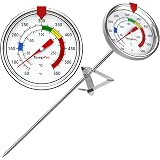
An ideal brewing temperature range is typically between 195°F and 205°F (90°C and 96°C). If a thermometer is not available, allowing fully boiled water to sit for 30-45 seconds after it has come to a full boil is an effective method for achieving this target temperature. This brief cooling period ensures that the water is hot enough for optimal extraction without scalding the delicate coffee flavors.
5. The Art of Steeping and Stirring
After the measured coffee grounds are added to the preheated carafe, the hot water is poured over them, ensuring all grounds are saturated. A gentle stir is then performed to facilitate even saturation, often referred to as a “bloom.” This allows the coffee to release trapped gases, contributing to a more even extraction process.
The lid is subsequently placed on the French Press, and the coffee is allowed to steep for a precise duration. A steeping time of 4 minutes is widely considered the standard for a well-balanced French Press coffee. During this time, the water dissolves the flavorful compounds from the coffee grounds. Adjustments to this time can be made to suit personal preference for strength, though exceeding 5 minutes often leads to over-extraction and bitterness.
6. The Gentle Press and Immediate Serving
Upon completion of the 4-minute steeping period, the plunger is pressed down slowly and steadily. This gentle, controlled motion is crucial for separating the spent coffee grounds from the liquid coffee. Pressing too quickly can agitate the coffee, forcing fine particles through the filter and creating excess sediment.
The entire pressing process should ideally take about 20-30 seconds, demonstrating a deliberate pace. Once the plunger has reached the bottom, the freshly brewed French Press coffee should be poured immediately into the preheated mug. Allowing the coffee to sit in the carafe with the grounds after pressing will continue the extraction process, often resulting in an increasingly bitter cup.
Enhancing Your French Press Experience
Beyond the fundamental steps, several additional factors can be considered to further refine your French Press coffee ritual. These insights are often overlooked but contribute significantly to the overall quality and enjoyment of each cup. Elevating the experience becomes quite simple with a few extra considerations.
Selecting High-Quality Coffee Beans
The foundation of any exceptional coffee experience is undoubtedly the quality of the coffee beans themselves. Opting for freshly roasted, whole beans from a reputable roaster is highly recommended. These beans retain their volatile aromatic compounds more effectively compared to pre-ground varieties. A medium or dark roast is frequently preferred for French Press brewing, as these roasts tend to develop deeper, richer flavors that thrive in this immersion method.
The Role of Water Quality
Coffee is approximately 98% water, so the quality of the water used directly impacts the final taste. Tap water containing high levels of chlorine or other impurities can negatively affect the flavor profile of the coffee. Filtered water or spring water is often suggested to provide a clean slate for the coffee’s inherent flavors to shine through. This seemingly minor detail can make a considerable difference in the clarity and purity of the brew.
Maintaining Your French Press for Longevity
Proper cleaning and maintenance of your French Press are essential for consistent quality and hygiene. After each use, the carafe and plunger assembly should be thoroughly cleaned. Residual coffee oils can quickly become rancid, imparting off-flavors to subsequent brews. Disassembling the plunger and cleaning the mesh filter ensures that no coffee particles or oils remain, allowing for an unadulterated French Press coffee experience every time.
Steeped in Knowledge: Your French Press Q&A
What type of coffee grind should I use for a French Press?
For a French Press, you should use a coarse or medium-coarse grind, similar to breadcrumbs. This helps prevent the coffee from becoming gritty or over-extracted and bitter.
Why is it important to preheat my French Press and coffee mug?
Preheating prevents significant heat loss when you add hot water, which helps ensure proper coffee extraction and keeps your coffee warm longer. This leads to a more consistent and enjoyable cup.
What is the ideal water temperature for brewing French Press coffee?
The ideal water temperature is typically between 195°F and 205°F (90°C and 96°C). You can achieve this by letting fully boiled water sit for 30-45 seconds before pouring.
How long should I let the coffee steep in a French Press?
A standard steeping time for a well-balanced French Press coffee is 4 minutes. This allows sufficient time for the water to dissolve flavorful compounds from the coffee grounds.
Why should I pour the coffee immediately after pressing the plunger?
Pouring immediately stops the extraction process, as allowing coffee to sit with the grounds after pressing will continue extraction. This prevents your coffee from becoming increasingly bitter.