Homebrewing can feel daunting. Many beginners hesitate to start. They worry about making bad beer. However, brewing an English Pale Ale offers a fantastic entry point. It teaches core skills effectively. This classic style is forgiving and delicious. The video above shows a practical approach. It makes brewing accessible for everyone.
Imagine if you could craft your own flavorful beer. You can share it with friends and family. This dream is entirely achievable. An English Pale Ale recipe simplifies the journey. It builds a strong foundation. You will gain confidence with each batch. Let’s explore why this style is perfect for your first brew day.
Brewing Your First English Pale Ale: A Beginner’s Guide
The English Pale Ale is a cornerstone of brewing. It balances malt and hop flavors beautifully. This makes it ideal for new brewers. Fuller’s London Pride is a prime example. It showcases the style’s signature bitterness. Also, it offers pleasant fruity aromas. These come from special yeast and hops. This style is not overly complex. It avoids extreme hop profiles. It also steers clear of complicated adjuncts. These qualities make it less intimidating.
Shane, in the accompanying video, highlights this. He shares his own novice brewing success. He emphasizes cleanliness and thoroughness. These are critical for any good beer. Mastering these basics is key. An English Pale Ale allows these skills to shine. There is no hiding flaws behind strong flavors. It truly is a beginner-friendly beer.
Understanding English Pale Ale Ingredients
Every great beer starts with quality ingredients. For an English Pale Ale, each component plays a vital role. The malt provides body and sweetness. Hops contribute bitterness and aroma. Yeast transforms sugar into alcohol. Water quality is also important. These elements combine to create the final product. Choosing the right ones is essential for style authenticity.
Consider the interplay of flavors. A well-chosen malt bill is crucial. Specific hops add unique character. The right yeast strain ensures proper fermentation. All these choices impact the finished beer. Even small variations matter. Understanding these relationships improves your brewing. It helps you control the outcome. Let’s delve into these key ingredients now.
The Simple English Pale Ale Malt Bill
The malt bill is the backbone of any beer. For an English Pale Ale, it’s fairly straightforward. Maris Otter is a prominent base malt. It provides a rich, malty foundation. This creates a good mouthfeel in the beer. Furthermore, it gives a slightly nutty character. Many English Pale Ale recipes feature it. Shane mentions using it as his main malt. It is widely praised by homebrewers.
Specialty malts add complexity. These are used in smaller amounts. They contribute color, aroma, and flavor. Aromatic malt might be included. It adds a pleasant bread-like quality. Imagine if your beer tasted subtly of warm toast. That is the power of specialty malts. Shane learned this by analyzing existing recipes. This is a smart approach for new brewers. It leverages proven combinations. You can build confidence by following established methods.
Selecting English Hops for Pale Ale Perfection
Hops are another defining characteristic. English Pale Ales favor specific hop varieties. These contribute a balanced bitterness. They also add distinct floral and citrus notes. Shane uses East Kent Golding hops. This is an excellent choice. It is a classic English hop. East Kent Golding is highly prized. It imparts earthy, spicy, and floral aromas. These are exactly what you expect. It perfectly complements the malt profile. It creates a harmonious beer.
Cultivating East Kent Golding is challenging. This is due to its high oil content. Large cones are also difficult. Nonetheless, its popularity endures. Its unique flavor profile is unmistakable. Other English hops exist, too. Fuggle hops are also popular. They offer a milder, woody character. Exploring these options adds depth. It allows you to fine-tune your recipes. However, East Kent Golding is a perfect starting point. It defines the English Pale Ale style beautifully.
Yeast and Fermentation for Your English Pale Ale
Yeast is the unsung hero of brewing. It converts sugars into alcohol and CO2. White Labs English Ale 002 is Shane’s choice. This specific yeast strain is fantastic. It produces a clean finish. Also, it leaves a touch of sweetness. This adds to the beer’s drinkability. It enhances the fruity aromas. These come from the interaction with other ingredients. Selecting the right yeast is crucial.
Fermentation can seem mysterious. Most activity happens quickly. It occurs within the first few days. Even if visible activity is low. Do not worry if your yeast seems quiet. White Labs 002 may not be overtly active. This is normal for some strains. A stable temperature is important. Aim for the recommended range for your yeast. This ensures proper flavor development. It helps avoid off-flavors. Imagine if your beer tasted buttery. That could be a temperature issue. Keep things consistent for best results.
From Wort to Beer: Fermentation Essentials
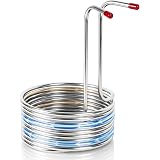
After brewing, the wort must cool quickly. This prevents bacterial contamination. Shane uses a simple ice bath method. It’s effective and conserves water. Chilling systems also exist. These circulate cold water. However, an ice bath is perfect for homebrewers. It reduces the risk of spoilage. Rapid cooling is paramount. It ensures a clean fermentation.
Measuring gravity is key. Original Gravity (OG) tells us sugar content. Shane’s OG was 1040. This is a good starting point. Final Gravity (FG) shows remaining sugars. Shane’s FG was 1009. These numbers calculate alcohol by volume (ABV). His English Pale Ale achieved 4.2% ABV. This is a moderate, refreshing level. It is ideal for an English Pale Ale. Tracking these numbers helps you learn. It provides insights into your brewing process.
The Art of Bottling and Carbonating Your English Pale Ale
Bottling is the final step. Cleanliness is absolutely critical here. Always use sanitized bottles. This prevents infection and spoilage. Imagine if your beer tasted vinegary. That could be from unsanitized bottles. Sterilizing everything is a must. It protects your hard work. This small effort yields big rewards.
Carbonation adds fizziness. Shane uses corn sugar for this. He boils 3/4 cup for 5 minutes. This creates a priming solution. Adding this to fermented beer initiates carbonation. It causes a secondary fermentation in the bottle. This produces carbon dioxide. The CO2 dissolves, making the beer bubbly. Two weeks in the bottle is typically needed. This allows carbonation to develop fully. Shane noted his batch was highly carbonated. This is a common beginner experience. Adjusting priming sugar amounts helps. You will learn to fine-tune this with practice.
Tasting Your Homemade English Pale Ale
Patience is a virtue in brewing. After bottling, wait at least two weeks. Then, your English Pale Ale is ready. Shane enjoyed his beer after over a month. He described its fruity aroma. He also noted the balanced bitterness. It was a perfect refreshing drink. The 4.2% ABV makes it highly sessionable. This means you can enjoy more than one.
The beauty of homebrewing is this reward. You get to taste your own creation. Each batch teaches you something new. Maybe you adjust the hops next time. Perhaps you alter the carbonation. These are all part of the journey. English Pale Ale offers a wonderful beginning. It is simple, satisfying, and deeply rewarding. Keep brewing, experimenting, and enjoying the process.
Hops and Answers: Your English Pale Ale Brewing Q&A
Why is English Pale Ale a good beer for beginner homebrewers?
English Pale Ale is ideal for new brewers because it’s a forgiving style that balances flavors well, allowing you to learn core brewing skills without overly complex recipes.
What are the main ingredients needed to brew an English Pale Ale?
The key ingredients for an English Pale Ale are quality malt (like Maris Otter), specific hops (such as East Kent Golding), yeast (like White Labs English Ale 002), and water.
What does yeast do during the brewing process?
Yeast is the ‘unsung hero’ that converts the sugars in the wort (unfermented beer) into alcohol and carbon dioxide during fermentation, giving the beer its alcohol content and flavor.
Why is cleanliness important when bottling homemade beer?
Cleanliness, or sanitization, is absolutely critical when bottling to prevent bacterial contamination and spoilage, which can lead to off-flavors and ruin your hard work.
How long does it take for bottled English Pale Ale to be ready to drink?
After bottling with priming sugar, your English Pale Ale typically needs at least two weeks to fully carbonate and for the flavors to develop before it’s ready to drink.