Ready to Brew Your Own? Demystifying the Home Brewing Beer Process
Have you ever wondered about making your own beer? The process might seem complex at first glance. However, it is an incredibly rewarding hobby. This guide expands on the journey seen in the video above. You will discover the magic of home brewing beer. Get ready to explore ingredients, equipment, and techniques.
Learning how beer is made is fascinating. It connects you to an ancient craft. Commercial breweries inspire many home brewers. Their large-scale operations showcase the art. Yet, brewing at home uses similar principles. It offers a chance to create unique flavors.
The Foundations of Craft Brewing: Visiting a Professional Brewery
Major breweries operate on a grand scale. They feature impressive stainless steel vessels. These containers are crucial to the brewing process. For instance, Cellar Head Brewing Company uses specialized tanks. A cold liquor tank holds cold water. Hot water comes from a hot liquor tank. It supplies the mash tun and kettle. These components are essential for beer production.
The mash tun combines malt with water. This creates a sugary liquid called wort. Later, this wort moves to the kettle. Hops are added during boiling. Fermentation vessels, or FVs, hold the beer next. Here, yeast transforms sugars into alcohol. This is a critical step in beer making.
Skilled brewers are like scientific artists. They understand every ingredient deeply. For example, they predict flavor profiles. This happens even before brewing begins. Such expertise guides the entire process. Craft brewing requires both science and intuition. It ensures consistent, high-quality beer.
The fermentation time can vary greatly. An English pilsner might take five to eight weeks. Ambient temperature also plays a role. Colder conditions lengthen the process. Warmer temperatures shorten it. Once ready, beer is often canned. Specialized canning machines seal in the freshness.
Essential Gear for Home Brewing Beer
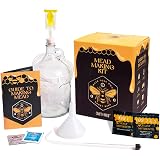
Inspired by big breweries, home brewing can begin small. Necessary equipment is quite minimal. Many essential items are found at local brew shops. The Brewer’s Droop, established in 1984, provides these. Basic needs include a fermentation bucket. An airlock allows gases to escape. A siphon helps transfer liquid. Sterilizer is vital for cleanliness. Finally, a beer kit simplifies the start.
Home brewing is surprisingly cost-effective. A bottle of homebrew can cost about 50p. This is much cheaper than store-bought beer. However, success is not always guaranteed. There is always a risk of bad batches. Yet, achieving an “okay” beer is quite easy. Even a failed batch teaches valuable lessons.
Brewing with a Kit: A Simple Start to Beer Making
Starting with a beer kit is recommended. It minimizes initial complexity. Kits usually contain pre-made ingredients. For example, a 40-pint Continental Pilsner kit. These kits often include two tins of concentrate. Warm water helps liquefy the contents. Sterilizing all equipment is paramount. Bacteria and unwanted fungi must be prevented. This ensures a clean fermentation environment. All tools, hands, and surfaces should be sanitized. Imagine if unwanted microbes contaminated your batch; it would spoil. Cleanliness prevents off-flavors.
The kit process is straightforward. Concentrates are mixed with water. Yeast is then added for fermentation. The mixture sits for several weeks. This allows primary fermentation to occur. After that, bottling takes place. Sugar is added for secondary fermentation. This creates natural carbonation in bottles. Two weeks more are needed for conditioning. Finally, the beer is ready to enjoy. A proper head of foam often forms. The taste is usually cold, fresh, and slightly sweet. It is a very satisfying achievement.
Understanding Beer’s Core Ingredients
Making beer from scratch offers deeper understanding. Only four main ingredients are involved. Each contributes uniquely to the final product. The options for variation are almost endless. Water, malt, hops, and yeast are these components. Exploring them reveals beer’s true complexity.
Water: The Unsung Hero of Beer Flavor
Beer is primarily composed of water. It acts as a solvent. Water carries all the other flavors. Brewers often get very technical about water. They analyze its mineral content. Different water profiles suit different beer styles. For instance, a soft water is good for pilsners. Harder water benefits stouts. Water quality greatly influences taste. Imagine if your water tasted metallic; your beer would too.
Malt: The Sweet Foundation of Brewing
Malt is germinated grain. Barley is the most common grain used. Wheat, oats, and corn also appear in beers. The malting process prepares sugars. These sugars are vital for yeast. Different malts offer various flavors. Pale malt, for example, smells sweet and cake-like. It forms the base for pale ales. Other malts contribute color and body. Roasted malts add coffee or chocolate notes. Crystal malts bring caramel sweetness. The choice of malt heavily impacts beer character.
Hops: Bitterness and Aroma in Every Sip
Hops are cone-shaped flowers. They provide bitterness and aroma. Their smell is quite distinctive. Hops give beer its characteristic fragrance. They are also natural preservatives. Different hop varieties exist. Some hops are very bitter. Others are less so. Hops are added at various boiling stages. Early additions provide bitterness. Later additions give aroma and flavor. This flexibility offers many possibilities.
Hop gardens, like Peak Land, cultivate these plants. Fuggles and Challenger are common varieties. Fuggles is known for minty, floral notes. Challenger provides tobacco-y, cedar aromas. It is a dual-purpose hop. Hops are perennial plants. They can last for up to 40 years. They climb strings to reach sunlight. The cones are harvested in late summer. They are then dried in kilns. This drying preserves their qualities. Afterward, hops are baled for brewers. Dried hops have light, floral, and fruity scents. Their essential oils create these aromas.
Yeast: The Living Engine of Fermentation
The fourth key ingredient is yeast. Yeast converts sugars into alcohol and carbon dioxide. This process is called fermentation. Different yeast strains produce varied flavors. Ale yeasts ferment at warmer temperatures. Lager yeasts prefer cooler conditions. Yeast activity also impacts beer clarity. It is truly the engine of brewing. Without yeast, there would be no alcohol. Imagine a beer without its characteristic fizz; yeast makes it possible.
The Satisfaction of Brewing from Scratch
Making beer from scratch is more involved. However, it is also more educational. It deepens understanding of the process. Raw ingredients are sourced and prepared. Grains are crushed to expose starches. These starches are converted to sugars. This is done through mashing. The wort is then boiled with hops. This step extracts bitterness and aroma. Finally, yeast is pitched into the cooled wort. The fermentation begins.
Even first attempts can be impressive. Receiving positive feedback is very encouraging. The cost per bottle remains low. Despite this, some batches may fail. A stout, for example, can turn out horrible. This emphasizes the learning curve. Home brewing is an ongoing journey. It combines art, science, and patience. The reward is a unique, homemade beverage. Learning how to brew beer is a fulfilling endeavor.
Grain to Glass Guidance: Your Homebrew Q&A
What is homebrewing?
Homebrewing is the rewarding hobby of making your own beer at home. It allows you to create unique flavors and connects you to an ancient craft using similar principles to commercial breweries.
What basic equipment do I need to start homebrewing?
To start homebrewing, you’ll need essential items like a fermentation bucket, an airlock, a siphon for transferring liquid, and sterilizer for cleanliness. A beer kit is also very helpful for beginners.
What are the four main ingredients in beer?
The four main ingredients in beer are water, malt, hops, and yeast. Each ingredient plays a unique role in contributing to the final flavor and character of the beer.
Why is sterilizing equipment important when brewing beer?
Sterilizing all equipment is paramount to prevent bacteria and unwanted fungi from contaminating your beer. This ensures a clean fermentation environment and prevents off-flavors from spoiling your batch.
What is the easiest way to start brewing beer at home?
The easiest way for a beginner to start brewing beer at home is by using a beer kit. These kits usually contain pre-made ingredients and simplify the initial complexity of the brewing process.