The Unsung Heroes of Homebrewing: Mastering Cleaning and Sanitizing for Perfect Beer
Embarking on the rewarding journey of homebrewing means balancing passion with precision. As the insightful video above emphasizes, the single most critical skill for any aspiring brewer, especially beginners, is mastering proper cleaning and sanitizing practices. Failure to grasp this fundamental step can transform your brewing dreams into a frustrating batch of infected, off-tasting beer. However, with the right knowledge and routine, ensuring a pristine brewing environment becomes an accessible and straightforward process, safeguarding your delicious creations.
Many novice brewers encounter the disappointment of a compromised batch due to overlooked hygiene. This guide expands on the essential techniques shared in the video, providing a deeper dive into why these practices are non-negotiable and how to implement them effectively. By understanding the nuances of cleaning and sanitizing, you control your beer’s fermentation and achieve the desired flavors, aromas, and clarity.
The Essential Role of Cleaning and Sanitizing in Homebrewing
Maintaining a clean brewery is paramount for flavor control and product quality. The goal of any homebrewer is to cultivate specific yeast strains, allowing them to transform sugars into alcohol and desirable flavor compounds. Without meticulous cleaning and sanitizing practices, undesirable microorganisms, such as wild yeasts and bacteria, can easily contaminate your wort or beer.
These microbial intruders compete with your chosen brewing yeast, introducing unwanted off-flavors like sourness, acrid notes, or even a vinegary tang. While an infected beer won’t typically make you sick, it will certainly not deliver the enjoyable taste you worked hard to achieve. Every batch represents an investment of time, ingredients, and effort; proper hygiene protects that investment.
Understanding Cleaning vs. Sanitizing: A Crucial Distinction
Often, these two terms are used interchangeably, yet they represent distinct and equally vital steps in the homebrewing process. Grasping their individual roles is key to preventing infection.
What is Cleaning?
Cleaning refers to the physical removal of dirt, grime, fermentation residues, and any other organic matter from your equipment. This process is about eliminating visible and invisible “gunk” that clings to surfaces. If equipment is not properly cleaned, sanitizers cannot effectively reach and act upon the microbes hidden beneath layers of soil. Think of it as preparing a surface for sterilization.
What is Sanitizing?
Sanitizing is the process of reducing microbial life to a safe, acceptable level. Unlike sterilizing, which aims to eliminate 100% of all microbes (a process generally unnecessary and impractical for homebrewing), sanitization brings microbial counts down to a point where they pose no significant threat to your beer. Once surfaces are visually clean, sanitizers work to neutralize the remaining microscopic organisms.
Together, cleaning and sanitizing form the “one-two punch” necessary to prevent bacterial and wild yeast growth on your gear and, critically, in your beer. Skipping either step compromises the entire process.
Effective Cleaning Practices for Homebrewing Equipment
Choosing the right cleaning agents and implementing effective techniques significantly impacts your brewing success. Standard household soaps are often unsuitable due to their oil content and fragrances, which can leave residues that harm head retention and introduce unwanted flavors into your beer. Instead, specialized brewing cleaners are recommended.
Recommended Cleaning Products
-
Powdered Brewery Wash (PBW): A highly regarded, alkaline-based cleaner specifically formulated for brewing equipment. When mixed with hot water, PBW effectively dissolves organic matter, protein, and hard-to-remove fermentation stains. The video highlights its ease of use; simply soak your equipment in a solution of 1 ounce per gallon of hot water for 15 to 30 minutes, or up to 4 hours for stubborn deposits. Its non-caustic nature means it’s generally safe for handling, though reviewing safety instructions is always wise.
-
OxiClean (Free or Unscented): Many homebrewers, including sources like CH at HomebrewForLife, swear by OxiClean as a more budget-friendly alternative. It’s a sodium percarbonate-based cleaner that releases oxygen to break down organic matter. When using OxiClean, ensure it is the “Free” or unscented version to avoid introducing perfumes or dyes into your brewing system. While effective, it might require slightly longer soaking times for heavily soiled items compared to specialized brew cleaners.
The Cleaning Process: Step-by-Step
Consistent habits are crucial for effective cleaning. Immediately after using equipment is the optimal time to clean it, as residues are softer and easier to remove. The longer grime sits, the more it dries and adheres, making cleaning exponentially more challenging.
-
Soak: Prepare your chosen cleaning solution with hot water. For PBW, the directed dosing is 1 ounce per gallon. The hotter the water, the better these products dissolve and activate. Submerge items like kettles, fermenters, kegs, tubing, and bottles.
-
Duration: Allow equipment to soak. A general guideline is 15-30 minutes, but for heavily soiled items or dried-on gunk, extend the soak time to several hours. The chemical action of the cleaner does most of the work.
-
Scrub: After soaking, use a soft sponge or rag to gently scrub off any remaining dirt or residue. For particularly stubborn spots, a stiff-bristle brush can be effective. Exercise caution with plastic equipment; avoid abrasive materials that could scratch the surface. Scratches create microscopic crevices, perfect hiding spots for bacteria, making future cleaning and sanitizing much harder.
-
Rinse: Thoroughly rinse all cleaned equipment with clean water. Ensure no cleaning solution residue remains, as this could potentially affect beer flavor or yeast health.
Beyond active brewing gear, PBW is also highly effective for removing stubborn bottle labels, saving considerable time and effort in the bottling process. Soaking bottles not only cleans them but also loosens adhesives, allowing labels to peel off effortlessly.
Sanitization: The Final Frontier for Pure Beer
Once your equipment is spotless, the next critical step is sanitization. This process targets the invisible microbes that could still be lurking on surfaces, waiting to infect your precious wort or beer. The key principle here is: anything that touches your beer *after* the boil must be sanitized. The boiling process eliminates microbes in the wort, but once it cools, it becomes a perfect breeding ground for contaminants.
Leading Sanitizing Products for Homebrewing
-
Star San: This acid-based, no-rinse sanitizer is a favorite among homebrewers for its effectiveness and convenience. Star San works by creating a low pH environment that is lethal to microbes, and its unique foaming action helps ensure contact with all surfaces. A key advantage highlighted in the video is its no-rinse nature; the foam it produces is harmless to your beer and doesn’t need to be rinsed away. When mixed with distilled water, Star San maintains its efficacy longer, making it perfect for preparing a batch to keep in a spray bottle for on-demand sanitization.
-
Iodophor: Another popular choice, Iodophor is an iodine-based sanitizer known for its strong antimicrobial properties. Some brewers believe it offers superior sanitization compared to Star San. However, a notable drawback is its tendency to stain plastics with a yellow or brownish tint, which, while not harmful to the beer, can be aesthetically undesirable. Like Star San, it is typically a no-rinse solution when used at the correct dilution.
-
Diluted Bleach: Household bleach can be used as a sanitizer, but it requires extreme caution. If choosing bleach, it is absolutely essential to rinse equipment thoroughly after sanitizing to prevent chlorine off-flavors (chlorophenols) in your beer, which are highly potent and undesirable. Many brewers prefer no-rinse solutions like Star San or Iodophor to avoid this rinsing step and the potential for off-flavors.
The Sanitizing Protocol: When and How
Establishing a routine for sanitization is vital. The golden rule is: anything that comes into contact with your wort or beer once it has cooled after the boil needs to be sanitized. This applies from the moment you transfer wort to the fermenter, through fermentation, and all the way to packaging.
-
Batch Preparation: Prepare a batch of your chosen sanitizer according to the manufacturer’s instructions. For Star San, following the ratios on the bottle is key. Preparing a large enough quantity in your fermenter allows you to sanitize the vessel itself, then pour the solution into other containers or a spray bottle.
-
The Spray Bottle Advantage: A spray bottle filled with sanitizer, especially Star San mixed with distilled water, is an invaluable tool. It allows for quick, on-the-fly sanitization of smaller items, tabletops, or the exterior of equipment, ensuring a clean working environment throughout your brew day and packaging day.
-
Critical Contact Points: Always sanitize these items:
- Fermenters, lids, and airlocks
- Hydrometers, refractometers, and test tubes used for gravity readings
- Hop socks or dry hop additions
- Siphons, auto-siphons, and transfer tubing
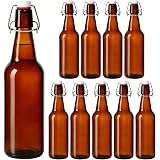
- Bottles, bottle caps, kegs, and bottling wands
- Any stirring spoons or utensils that touch post-boil wort/beer
-
Packaging Day: This is a high-risk time for infection. Every single item that will come into contact with your beer during bottling or kegging—bottles, caps, kegs, tubing, and siphons—must be meticulously sanitized immediately before use.
Dispelling Myths and Ensuring Safety in Cleaning and Sanitizing
Several misconceptions can hinder a homebrewer’s success. Addressing these ensures a more effective and safer brewing experience.
Myth 1: Sanitizing Alone is Sufficient
A common pitfall for new brewers is believing that sanitizing will kill bacteria regardless of how dirty the equipment is. This is unequivocally false. As discussed, sanitizers cannot penetrate layers of dirt, grime, or dried beer residue to reach the microbes underneath. Cleaning removes the physical barriers, allowing sanitizers to do their job effectively. You *must* clean your gear first, and *then* sanitize it.
“Don’t Fear the Foam”: The Star San Phenomenon
One of the most persistent concerns among new Star San users is the foam it produces. The manufacturer, and extensive homebrewing experience, confirm that “Don’t Fear the Foam!” The residual foam left by Star San is perfectly safe and has no negative impact on your beer’s flavor, aroma, or head retention. Studies have even demonstrated that small amounts of Star San introduced directly into beer do not cause any detectable issues. This reassurance allows brewers to confidently use Star San without the need for additional rinsing, thereby maintaining the sanitized state of their equipment.
Safety Considerations with Cleaning Agents
While many homebrewing cleaners like PBW are generally considered safe for direct skin contact during short cleaning tasks, it is always prudent to consult the safety instructions provided by the manufacturer. Some professional-grade cleaners can be highly caustic and require gloves and eye protection. For general use, wearing gloves can protect your hands from drying or irritation, even with milder products. Always ensure adequate ventilation when using any chemical cleaning or sanitizing agent.
Ultimately, making cleaning and sanitizing a habit is the most impactful step toward consistent, high-quality homebrewing. By integrating these practices into your routine, they will quickly become second nature, allowing you to focus on the creative aspects of crafting truly amazing beer.
Sparkling Brews: Answering Your Cleaning and Sanitizing Queries
Why is cleaning and sanitizing important for homebrewing?
It prevents unwanted microorganisms like wild yeasts and bacteria from contaminating your wort or beer. This helps avoid off-flavors and ensures your beer tastes as intended.
What is the difference between cleaning and sanitizing?
Cleaning is the physical removal of dirt, grime, and residues from equipment. Sanitizing then reduces microbial life to a safe, acceptable level after the equipment is already clean.
What cleaning products are commonly used for homebrewing equipment?
Powdered Brewery Wash (PBW) is a highly recommended specialized cleaner for brewing equipment. Unscented OxiClean is also a popular and budget-friendly alternative.
What is a popular no-rinse sanitizer used by homebrewers?
Star San is a widely favored acid-based, no-rinse sanitizer known for its effectiveness and convenience. Its foam is harmless to your beer and doesn’t require rinsing.
When should I sanitize my brewing equipment?
Anything that touches your beer *after* it has cooled from the boil needs to be sanitized. This applies throughout fermentation and all the way to packaging.