There is a special kind of satisfaction that comes from sharing your homebrewed beer. Imagine a lively gathering, friends laughing, and everyone enjoying a glass of your latest creation. What if that creation was not only delicious and balanced but also ready in record time? The video above introduces a fantastic Fast Party Pale Ale recipe and method. This recipe has been carefully crafted for homebrewers who desire a crowd-pleasing brew, quickly produced from grain to glass. It ensures a delightful experience for both the brewer and the drinkers.
Crafting a Crowd-Pleasing Fast Party Pale Ale Recipe
Every great beer begins with a solid recipe. This particular Fast Party Pale Ale recipe is designed for both speed and widespread appeal. It features an approximate ABV of 4.9%. This makes it a sessionable beer. More than a few glasses can be enjoyed in a single sitting, making it ideal for parties. The balance between bitterness and alcohol is crucial. This is indicated by a BU:GU ratio of 0.77. Such a ratio ensures a nicely balanced pale ale. It suits many different taste palettes. The full recipe details are accessible. They are found in the video’s description. A link to Brewfather is also provided there. Brewfather is a useful tool. It aids in managing your brewing process.
1. Recipe Conversion and Scalability for Homebrewers
A successful brew often begins before ingredients are ordered. Therefore, converting the recipe to your specific brewing system is strongly suggested. This ensures the recipe is brewed as intended. It also meets your unique needs. Think of it like adjusting a tailor-made suit. It must fit perfectly. Brewing the recipe as presented, at least for the first time, is highly recommended. Many tweaks have already been incorporated. These bring the recipe into excellent shape. Skipping this advice can lead to wasted effort. For those using a Brewzilla Gen 4.1 65-liter system, a 10-liter batch (2.64 US liquid gallons) is brewed in the video. However, this recipe can be scaled. It can be shaped to suit your own brewing system. Any volume requirement can be met.
2. The Foundational Importance of Brewing Water
Water is often overlooked by homebrewers. Yet, it forms the majority of beer. Its balance is vital. The right water profile enhances the final product. A classic hoppy water profile from Brewfather is shown. It works incredibly well for this recipe. However, it represents just one option. If another profile is preferred for this style, it can certainly be used. Brewfather provides extensive documentation. It details how to make necessary water changes. This simplifies the process for all. Treating your water is advised. This applies to brewers of all experience levels. It leads to the very best end results. The ease of this step often surprises new brewers.
Mashing In: Unlocking Sugars for Your Pale Ale
The mashing process is where complex starches are converted into fermentable sugars. It is a critical step. Preparation ensures an efficient mash.
1. Preheating, Grain Addition, and Stirring Techniques
First, mash water must be preheated. It reaches the target temperature. Once achieved, the grain is added. Thorough stirring follows. This ensures even mixing. A drill-powered mash stirrer speeds this task. It quickly breaks up clumps. Every grain becomes fully saturated. If a traditional mash paddle is used, grain addition in stages is recommended. Add a kilo or two at a time. Stir thoroughly before adding more. This steady method helps create a smooth, consistent mash. It also prevents dry clumps. These can lead to inefficient sugar extraction.
2. The Mash Schedule: Temperature’s Impact on Fermentability
The mash-in step for this recipe is 68 degrees Celsius. This is approximately 154 degrees Fahrenheit. This temperature sits in the upper range of typical mash temperatures. It yields more fermentable sugars than usual. Fewer simple sugars are produced. This contributes to the original gravity. It sits around 1.009 for this beer style. This method helps achieve the desired character. It ensures a specific fermentability for the Fast Party Pale Ale.
Crafting the Grain Bill: The Heart of Your Pale Ale
The selection of malts greatly influences beer flavor, body, and color. For this particular pale ale recipe, a thoughtful combination of grains is used.
1. Maris Otter: The Robust Base Malt
Maris Otter serves as the main fermentable. It comprises 80% of the grist. This two-row barley offers more than just fermentable sugars. It adds biscuity, nutty, and toasty background flavors. These characteristics significantly enhance the beer. They help it “sing.” While highly recommended, regular pale ale malt can be substituted. If Maris Otter is unavailable, brewers should not worry. A good result will still be achieved.
2. Light Munich Malt: Adding Depth and Color
Next, Light Munich malt is included at 15%. This malt contributes a subtle color. It also introduces background notes. These include biscuit, nut, and a slight caramel. These additions layer in extra complexity. They enhance the overall roundness and depth of the grain bill. It’s like adding a subtle bass line to a song. It provides richness without overpowering the melody.
3. CaraPils: Enhancing Body and Foam Stability
Lastly, CaraPils makes up 5% of the grain bill. This is a very useful malt. It provides mouthfeel, foam, and body. It achieves a nice balance. It does not alter color or flavor significantly. CaraPils acts as an unsung hero. It ensures a smooth and satisfying drinking experience. This combination of malts creates a great foundation. It offers gentle sweetness, medium body, and a rounded texture. These qualities perfectly complement the hops. They transform the brew into a true party pale ale.
The Sparge: Maximizing Sugar Extraction and Flavor
Sparge refers to the process of rinsing the grain bed. This extracts residual sugars. Hand sparging is often recommended. It ensures even coverage across the grain bed. This helps release all trapped sugars. Some brewers opt to skip this step. It saves time. However, this can compromise flavor. It is a trade-off. Different taste palettes perceive this differently. Personal research is encouraged. What works best for each brewer should be followed. After all, perception of flavor is unique to each individual.
The Boil and Hop Schedule: Infusing Aroma and Bitterness
The boil serves multiple purposes. It sterilizes the wort. It isomerizes hop acids. It also concentrates the wort. Careful management is essential for a successful boil.
1. Essential Boil Prep: Managing Proteins and Preventing Boil Overs
Before the boil timer starts, the top foam must be stirred. This breaks it up. It collapses back into the wort. This foam consists mostly of proteins. These proteins are desired in the beer. However, if they remain on top, boil-overs can easily occur. Stirring them in keeps the proteins in the wort. It ensures a clean and safe boil. This prevents messy accidents. It also retains important beer components.
2. The Dynamic Hop Trio: Centennial, Citra, and Simcoe
A strategic hop schedule is employed during the boil. Centennial, Citra, and Simcoe are featured. This is an excellent hop combination. It is widely used by homebrewers and professionals alike. Each hop plays a distinct role. Simcoe, with its pine, apricot, and earthy undertones, provides structure. It offers a light resinous bitterness. It anchors the beer, preventing it from being solely fruity sweet. Citra brings explosive citrus notes. These include lime and grapefruit. Tropical notes like mango and passion fruit are also evident. It fills out the aroma. It adds a juicy punch. Centennial offers a clean lemon-grapefruit backbone. It bridges the gap between Citra’s fruitiness and Simcoe’s pine character. It also adds a floral brightness. It nods to classic American pale ales. The overall hop profile is complex. Expect juicy tropical fruit, citrus zest, and light pine. Balanced hop flavors are present. A clean finish with a touch of resin and grapefruit is achieved.
Efficient Cooling and Hop Stand Techniques
After the boil, cooling is crucial. It halts chemical processes. It also prepares the wort for yeast. Sanitation is paramount during this stage.
1. Streamlined Chilling and Sanitization
Towards the end of the boil, chillers are prepared. Boiling hot water is run through a counterflow chiller. This sterilizes it for transfer. The Red Reaper, a highly-rated chiller, is used in the video. An immersion chiller, the SilChiller, is also added during the boil. It gets ready for action. Once the 30-minute boil concludes, wort cooling begins for the hop stand. Recirculation using a pump is employed. The SilChiller quickly brings the wort to temperature. This takes less than a minute. Fast cooling is an important aspect of a fast party pale ale.
2. The Hop Stand: Maximizing Flavor and Aroma
Hop stand details are important. Even for smaller batches, this step is vital. This final brew represents a refined master recipe. It incorporates various tweaks. After adding hops, thorough stirring is necessary. This prevents hops from floating on the surface. Full utilization is the goal. This means complete extraction of flavor compounds. It also ensures the release of essential oils. This stage offers great aromas. Many brewers find the stirring process relaxing. It’s a sensory experience that builds anticipation for the finished beer.
Fermentation: The Yeast’s Masterpiece
The fermentation stage transforms wort into beer. It is where yeast performs its magic. Proper preparation ensures a healthy fermentation.
1. Sanitizing the Fermentation Vessel: A Critical Barrier
Before transfer, the fermentation vessel must be prepared. It should be recently cleaned. Acid-based no-rinse sanitizer is then used. This is a crucial step. It must be done as late as possible. This ensures the sanitizer remains active. It prevents any contamination. Contamination can ruin a batch. This makes diligent sanitization a top priority.
2. Verdant IPA Yeast: The Ideal Partner for Flavor
Further cooling and transfer then take place. This uses the counterflow chiller. Yeast pitching follows. Verdant IPA yeast is highly recommended. It should be used at 21 degrees Celsius (70 degrees Fahrenheit). This provides optimum balance. This yeast offers juicy esters. These include peach and apricot. They are present without excess fruitiness or fusels. This characteristic suits the recipe extremely well. It contributes to the desired flavor profile. It helps create a balanced pale ale recipe.
3. Optimizing Yeast Health: Rehydration and Aeration
Rehydrating yeast is beneficial. It gives yeast the very best start. Water is typically used for this process. This method also aids aeration. Aeration keeps yeast healthy and happy. It leads to successful fermentation. A minimum lag phase is achieved. If pressure fermentation is desired, caution is advised. Pressure up to one bar should only be applied after three to four days. By this time, the yeast’s full expression will be locked in. This ensures safety and optimal yeast performance.
Dry Hopping: The Final Flavor Burst
Dry hopping adds intense aroma and flavor. It is done post-fermentation. Precision and sanitation are key to success here.
1. Timing Your Dry Hop Additions
Dry hops should be added strategically. This occurs when the beer is between five to 10 gravity points away from its predicted final gravity. This timing is critical. It maximizes hop aroma. It avoids unwanted vegetative flavors. Many methods for dry hopping exist. This timing has shown consistent superior results. No extensive literature is needed beyond this guidance.
2. A Guide to Sanitary Dry Hopping
Maintaining cleanliness is paramount during dry hopping. Contamination is common among homebrewers. Especially when making IPAs. Here is a reliable guide for sanitary dry hopping:
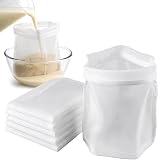
- Firstly, boil the hop bag. This is essential for sterilization. It applies regardless of prior use or if it’s new.
- Secondly, place the boiled bag in a clean container. Add sanitizer as a further safeguard. This container will also be used for loading hops.
- Next, wash and sanitize your hands thoroughly. Repeat this if any non-sanitized surface is touched during the process.
- Then, carefully add the dry hops. The bag should line the container. Ensure nothing touches the bag except the hops.
- Once loaded, tie a strong knot. This keeps all hops contained. Ensure the bag is loosely fitting. Hops need room to expand.
- Finally, add the hop bag to your fermenter.
3. Optimal Contact Time for Dry Hops
For hop contact time, three days is usually sufficient. Five days is also acceptable. However, avoid periods longer than a week. This prevents grassy off-flavors. These flavors can detract from the beer’s quality. Careful management ensures maximum flavor extraction. It avoids undesirable characteristics in your Fast Party Pale Ale.
Tasting Your Fast Party Pale Ale: A Sensory Experience
The moment of truth arrives when the beer is poured and tasted. This pale ale recipe offers a truly rewarding experience.
The pour presents a light golden color. Once in the glass, it transforms into a sunburst orange. The example shown is completely natural. No attempts were made to enhance clarity. This beer was conditioned under 12 PSI of pressure (0.83 bar). This pressure is also used for serving. The beer tastes ready around the one-week mark from kegging. Previous versions of this recipe, during the tweaking phase, also showed this rapid readiness. Optimal tasting occurs between 7 to 10 degrees Celsius (45 to 50 degrees Fahrenheit). Colder temperatures hide flavor. The beer was allowed to warm up slightly for these tasting notes.
1. Aroma Profile: A Bouquet of Fruits and Pine
Aroma-wise, mango, grapefruit, lime, and passionfruit dominate. A varied mix of citrus and tropical fruit is present. Some pine and stone fruit notes are found in the background. This makes the aroma very appealing to the nose. It’s an inviting introduction to the beer.
2. Flavor Journey: From Tropical to Resin
Upon entry, the aromas translate to flavor. It is certainly nice and fruity. A tropical and citrus mix leads the way. Apricot, stone fruit, and pine notes follow. An easy grapefruit-like finish is achieved. Nothing is excessive or faint. It strikes a happy middle ground. This suits the majority of palates. If tropical and citrus flavors are enjoyed, this beer will delight. So much more fruit can be discovered too. It’s held together by a supportive grain bill. This gives extra background flavors. Caramel, slight biscuit, and nut notes are present. These add depth and complexity. This Fast Party Pale Ale provides mass appeal. It likely won’t last the night at any gathering. It is an ideal brew for celebration.
Fast Answers, Hoppy Questions: Fast Party Pale Ale Q&A
What is a Fast Party Pale Ale?
It’s a homebrewed beer recipe designed to be delicious, balanced, and ready to drink quickly, often in just 7-10 days from start to finish. It’s crafted to be a crowd-pleaser, perfect for sharing at gatherings.
How long does it take to brew this Fast Party Pale Ale recipe?
This particular recipe is optimized for speed, allowing you to brew it from ‘grain to glass’ and have it ready to drink in approximately 7 to 10 days.
What kind of hops are used in this pale ale recipe?
The Fast Party Pale Ale uses a popular and dynamic trio of hops: Centennial, Citra, and Simcoe. These hops contribute juicy tropical fruit, citrus zest, and light pine notes to the beer.
Why is brewing water important for this recipe?
Water forms the majority of your beer, and its balance is vital for the final product. Using a classic ‘hoppy’ water profile and treating your water is advised to enhance the beer’s flavors.
What is ‘dry hopping’ and when should it be done?
Dry hopping is when hops are added to the beer after fermentation is mostly complete, to add intense aroma and flavor without increasing bitterness. For this recipe, dry hops are added when the beer is five to 10 gravity points away from its predicted final gravity.