Have you ever wanted to brew your own delicious craft beer at home but felt overwhelmed by the process? Crafting your own beer can seem daunting, but with the right kit and a clear understanding of each step, it becomes an incredibly rewarding hobby. If you’ve just watched the video demonstrating how to brew a Brewer’s Best American Amber Ale, you’re already on your way to becoming a skilled homebrewer. This guide will expand on those steps, providing additional insights and tips to ensure your first batch of American Amber Ale is a resounding success.
1. Understanding Your Brewer’s Best American Amber Homebrew Kit
Starting with a pre-packaged homebrew kit, like the Brewer’s Best American Amber, is an excellent entry point for aspiring brewers. These kits are meticulously designed to simplify the brewing process, providing almost everything you need in one convenient box. You’ll typically find pre-measured ingredients, ensuring consistency and making it easier to follow instructions. This takes much of the guesswork out of ingredient selection and measurement, allowing you to focus on the hands-on brewing techniques.
Inside your Brewer’s Best American Amber kit, you’ll usually discover essential components such as liquid malt extract, specialty grains, hops, brewer’s yeast, and priming sugar for bottling. Each element plays a crucial role in shaping the final character of your beer. The included instructions are your roadmap, guiding you through each stage from steeping to fermentation. Familiarizing yourself with these items before you begin will help you understand their purpose and prepare you for a smooth brewing day.
What’s Inside Your Kit and Why It Matters:
- **Liquid Malt Extract (LME):** This is your primary source of fermentable sugars, which the yeast will convert into alcohol and carbonation. LME simplifies the brewing process by bypassing the need for extensive mashing.
- **Specialty Grains:** These grains are steeped to contribute specific flavors, aromas, color, and body to your American Amber Ale. They’re often roasted or caramelized to create the rich, malty characteristics distinctive of an amber beer.
- **Willamette Hops:** Hops are added at various stages of the boil to impart bitterness, aroma, and flavor. Willamette hops are known for their mild, pleasant, and slightly spicy aroma, which complements an amber ale beautifully.
- **Brewer’s Yeast:** The microscopic workhorses that ferment the sugars in your wort (unfermented beer) into alcohol and carbon dioxide. The specific strain of yeast chosen for an American Amber Ale will influence its flavor profile.
- **Priming Sugar:** This sugar is added during bottling to give the yeast a final food source, creating natural carbonation in your sealed bottles.
- **Grain Bag & Caps:** A grain bag is essential for steeping your specialty grains, making removal easy. While the kit provides caps, many homebrewers opt for their own preferred capping methods.
2. Mastering Sanitization: The Golden Rule of Homebrewing
Before you even think about brewing your American Amber Ale, let’s talk about the single most critical step in homebrewing: sanitization. The video briefly mentions sanitizing bottles, but every piece of equipment that will come into contact with your wort *after* the boil must be meticulously sanitized. This includes your fermenter, siphoning tubing, airlock, hydrometer, and anything else. Unwanted bacteria or wild yeast can quickly contaminate your batch, leading to off-flavors or a completely ruined beer.
To sanitize effectively, you need a good sanitizer solution and careful technique. The speaker in the video uses a 1 to 16 ratio with their preferred sanitizing agent, which is a common and effective concentration. Always ensure your equipment is clean first – free of any visible dirt or residue – before sanitizing. Think of it like a medical procedure; you wouldn’t want to use dirty instruments. Taking this step seriously will protect your hard work and ensure a clean-tasting beer.
There are several types of sanitizers available to homebrewers, each with its own advantages. Star San is a popular no-rinse, acid-based sanitizer that is very effective and environmentally friendly. Iodine-based sanitizers like Iodophor are also common and offer excellent germ-killing power. Whichever you choose, always follow the manufacturer’s instructions for dilution and contact time. A properly sanitized environment is the foundation for a successful and delicious beginner homebrew kit experience.
3. Steeping Your Specialty Grains: Extracting Flavor and Color
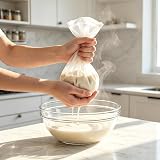
The first active step in brewing your American Amber Ale is steeping the specialty grains. As shown in the video, the grains are placed in a grain bag and submerged in heated water. The goal here is not to create fermentable sugars (that’s what the malt extract is for) but to extract the delicious flavors, rich color, and complex aromas locked within the grains.
Temperature control is paramount during steeping. The video accurately highlights a target range of **150 to 165 degrees Fahrenheit**. Maintaining this temperature for **20 to 30 minutes** (or about half an hour, as the speaker notes) is crucial. If the water gets too hot, it can extract tannins from the grains, leading to an undesirable astringent or “grainy” flavor in your beer. If it’s too cool, you won’t fully extract the desired characteristics.
Once steeping is complete, carefully remove the grain bag from the brew pot. The speaker correctly advises against squeezing the bag. Squeezing can also extract tannins, which are bitter compounds from the grain husks. Simply allow the liquid to drip back into the pot, maximizing the flavorful contributions without introducing unwanted elements. Discard the spent grains responsibly after this step, as their work is done.
4. The Boil: Hops, Malt, and Hot Break
With your steeped grain liquid combined with your brew pot water, the next significant stage is the boil. Bringing the mixture to a slow rolling boil is essential for several reasons: it sanitizes the wort, concentrates sugars, and most importantly, allows for the addition of hops. As the video demonstrates, the liquid malt extract is added once the boil begins. Stir it in thoroughly to prevent scorching on the bottom of the pot.
During the boil, you’ll witness what’s called the “hot break.” This is when proteins in the wort coagulate and rise to the surface as a foamy scum. It’s a normal part of the process and indicates that your boil is proceeding correctly. The video shows two additions of Willamette hops; the first pack goes in early in the boil, typically for bitterness, and the second pack 30 minutes later, contributing more to aroma and flavor. This timed addition creates a balanced hoppy profile typical of an American Amber Ale recipe.
The total boil time for this Brewer’s Best American Amber kit is usually around 60 minutes. Adhering to the hop addition schedule is key to achieving the intended flavor balance. These periods allow the bittering compounds from the hops to dissolve into the wort, while later additions preserve more delicate aromatic oils. A consistent, slow rolling boil ensures proper hop utilization and concentration of your wort.
5. Cooling the Wort: The Race Against Contamination
After the boil, the most critical step is rapidly cooling your wort down to fermentation temperature. The video highlights two common methods: an ice bath or simply letting it cool on its own. While letting it cool naturally is possible if you have plenty of time, it’s generally not recommended for beginners. The longer your wort remains at a warm temperature (between 80-140°F), the more susceptible it is to airborne wild yeasts and bacteria, which can quickly spoil your brew.
An ice bath, where the brew pot is submerged in a tub of ice water, is a widely recommended method for beginners. Stirring the wort gently while it’s in the ice bath will help it cool down much faster. Alternatively, many intermediate brewers invest in a wort chiller, which is a coiled copper or stainless steel tube that circulates cold water through the hot wort, drastically reducing cooling time. Rapid cooling, also known as creating a “cold break,” helps to precipitate more proteins out of the wort, leading to a clearer final beer.
Aim to cool your wort to a temperature between 60-75°F (15-24°C), depending on your yeast strain’s ideal range, before transferring it to the fermenter. This precise temperature control is vital because pitching yeast into wort that’s too hot will kill it, and pitching into wort that’s too cold can inhibit its activity, leading to a stalled fermentation or off-flavors. Patience during the cooling phase will pay off with a cleaner, better-tasting American Amber Ale.
6. Siphoning and Pitching Yeast: Bringing Your Brew to Life
Once your wort has cooled sufficiently, it’s time to transfer it to your sanitized fermenter and introduce the yeast. The video demonstrates the siphoning process, which should always be done carefully to avoid splashing. Splashing introduces oxygen into the cooled wort, which can lead to oxidation and stale flavors in the final beer. Keep the end of your siphon tube below the surface of the wort in the fermenter.
As the video shows, some filtered water is added to the fermenter before siphoning the wort, and then topped off to the **23-liter mark**. This ensures you reach the intended batch volume for your kit, which influences the final alcohol content and flavor concentration. After the wort is fully transferred and topped off, it’s time to pitch your yeast. The speaker pours the yeast into a bowl, mixes it with a small amount of warm water (often called rehydration), and lets it sit for about **5 minutes**. This rehydration step “wakes up” the dormant yeast cells, preparing them for optimal fermentation.
Gently pour the rehydrated yeast mixture into the fermenter. Seal the fermenter with an airlock, which allows carbon dioxide to escape without letting airborne contaminants in. Now, the yeast will begin its work, converting the sugars in your American Amber Ale into alcohol and CO2. Place your fermenter in a cool, dark place with a consistent temperature, typically around 65-70°F (18-21°C) for most ale yeasts, for a couple of weeks.
7. Bottling Your American Amber Ale: The Final Step
After two weeks of fermentation, your American Amber Ale is ready for bottling. This stage requires meticulous sanitization once again, as you’ll be transferring your finished beer into bottles. The video shows the brewer sanitizing bottles and caps using a 1 to 16 sanitizer solution, which is an excellent practice. Every surface that touches the beer must be clean and sanitized to prevent contamination during bottling and ensure your beer carbonates properly.
Before bottling, you’ll need to prepare the priming sugar. As demonstrated, simply dissolve the priming sugar (provided in your kit) in a small amount of boiled water to create a syrup. This syrup is then gently added to your bottling bucket (another sanitized vessel). The entire batch of fermented American Amber Ale is then siphoned into this bottling bucket, gently mixing with the priming sugar. The yeast will consume this sugar in the sealed bottles, creating the carbonation you expect in a beer.
Once the beer is in the bottling bucket with the priming sugar, you can begin filling your sanitized bottles using a bottling wand. The wand helps to fill the bottles from the bottom up, minimizing oxidation. Leave about an inch of headspace in each bottle to allow for carbonation. Cap the bottles securely and store them in a cool, dark place for another 1-2 weeks. During this time, the beer will carbonate, developing its full flavor and effervescence, ready for you to enjoy your very own American Amber Ale.
Tapping into Your American Amber Ale Questions
What is a homebrew kit and why should I use one?
A homebrew kit, like the Brewer’s Best American Amber, provides almost all the pre-measured ingredients and instructions you need. It simplifies the brewing process, making it an excellent starting point for aspiring brewers.
What is the most important step in homebrewing?
Sanitization is the most critical step in homebrewing. Every piece of equipment that touches your beer after the boil must be meticulously sanitized to prevent contamination and off-flavors.
What happens when I steep specialty grains?
Steeping specialty grains involves soaking them in warm water (150-165°F) to extract delicious flavors, rich color, and complex aromas. It is important not to squeeze the grain bag after steeping to avoid extracting bitter compounds.
Why is it important to cool the wort quickly after boiling?
Rapidly cooling the wort after boiling is crucial to prevent contamination from airborne wild yeasts and bacteria. This quick cooling, called a “cold break,” also helps create a clearer final beer.
Why do I add priming sugar when bottling my beer?
Priming sugar is added to your fermented beer before bottling to give the yeast a final food source. This allows the yeast to create natural carbonation inside the sealed bottles, giving your beer its bubbles.