Demystifying the American Blonde Ale: A Gateway to All-Grain Brewing Excellence
Is the American Blonde Ale truly a “boring” beer? This common perception often overshadows its potential. However, for the discerning all-grain brewer, it represents an outstanding canvas. It offers a straightforward brewing experience, perfect for honing fundamental skills. This video above demonstrates just how rewarding crafting a truly excellent **American Blonde Ale** can be. Let us explore the nuanced art of brewing this often-underrated style.Understanding the Blonde Ale Canvas
This beer is frequently dismissed. It is dubbed a “lawnmower beer.” Yet, this designation overlooks its inherent elegance. A true Blonde Ale is a testament to balance. It showcases delicate malt character. It presents a subtle hop profile. Conversely, it is not a Cream Ale. Corn or rice adjuncts are absent. Neither is it a Pale Ale. Its hop bitterness remains restrained. The goal is a clean, crisp, and immensely drinkable brew. A brewer’s touch elevates it from simple to sublime. It challenges the “boring beer” label.The All-Grain Blonde Ale Recipe: A Foundation of Flavor
A well-constructed recipe is paramount. Ingredient selection greatly influences the final product. Here, simplicity reigns supreme.Malt Bill: Building the Backbone
The grist is surprisingly minimal. Ten pounds of Pale Ale malt forms the foundation. This differs from standard Two-Row Pale malt. Pale Ale malt offers richer flavor. It contributes a slightly darker hue. This color trade-off is often preferred for depth. Marris Otter and Golden Promise are prime examples. Their biscuity notes enhance the profile. Conversely, a single base malt is entirely feasible. This beer could be a excellent SMaSH candidate. A touch of specialty malt is included. Four ounces of Honey malt are added. This provides a distinctive honey character. It is similar to Melanoidin or Aromatic malts. However, its specific notes shine here. The Honey malt darkens the beer. It was measured at 5.5 SRM. Its flavor contribution is worth the visual change.Hops: Subtle Character, Not Overpowering
Hop usage in a Blonde Ale is understated. It aims for noticeable character, not dominance. A total of 19 IBUs is targeted. This ensures a delicate balance. Columbus hops begin the boil. A quarter ounce is added at 60 minutes. This provides about 12 IBUs of bittering. Its clean bitterness sets the stage. Cascade hops follow. Two ounces are used for flavor and aroma. One ounce goes in at 10 minutes. Another ounce is added at zero minutes. This contributes an additional 7 IBUs. The Cascade imparts grapefruit and floral notes. A slight piney resinousness might emerge. This hop schedule prevents the beer from becoming a Pale Ale.Yeast Selection: The Clean Ferment
Yeast choice is critical for this style. A clean, neutral American Ale yeast is recommended. It must allow malt and hop character to shine. Lallemand BRY-97 was selected. This strain is a reliable workhorse. Fermentis US-05 is a common alternative. Both are derivatives of the Chico strain. They ensure a crisp finish. However, experimentation is possible. Kolsch, hybrid lager, or Kveik strains can be used. Voss or Lutra Kveik are particularly easy choices.Precision in Water Chemistry for Your Blonde Ale
Water profile significantly impacts beer flavor. A balanced profile is key for a Blonde Ale. Neither malt nor hops should be overly emphasized. Reverse osmosis (RO) water provides a clean slate. Mineral additions then build the desired profile. The target profile includes: * Calcium: 59 ppm * Magnesium: 13 ppm * Sodium: 26 ppm * Chloride: 104 ppm * Sulfate: 107 ppm * Bicarbonate: 0 ppm To achieve this in eight gallons of RO water, the following salts are added: * Gypsum: 3 grams * Epsom Salt: 4 grams * Sodium Chloride: 2 grams * Calcium Chloride: 4 grams This specific balance supports both malt and hop expression. Conversely, higher sulfate levels would push hop bitterness. Increased chloride would amplify maltiness. This recipe favors a neutral presentation.Mastering the Mash and Boil
The brewing process itself is straightforward. Efficiency and precision are paramount.Mash Protocol: Simplicity and Efficiency
A single infusion mash is sufficient. A 60-minute rest occurs at 152°F. This temperature promotes fermentability. It ensures a relatively dry beer. The conversion of starches to sugars is efficient. Doughing in must be thorough. All clumps are broken. Recirculation maintains an even temperature. A mash-out follows. The temperature is raised to 170°F. This step lasts for 15 minutes. It stops enzymatic activity. It also lowers wort viscosity. This aids in sparging and draining.Boil Additions: Timing is Key
The wort is brought to a rolling boil. The bittering hops are added first. This is the 0.25 oz of Columbus at 60 minutes. Whirlfloc and yeast nutrient are typically added later. They promote clarity and healthy fermentation. The flavor hops, 1 oz Cascade, are added at 10 minutes. The final 1 oz Cascade addition occurs at flameout (0 minutes). This timing maximizes hop aroma. A whirlpool then collects trub and hop debris.Fermentation Excellence for a Flawless Blonde Ale
Fermentation is a critical juncture. It significantly shapes the final beer. Careful management prevents off-flavors.Temperature Control: The Esters’ Foe
Pitching adequate yeast is essential. Proper temperature control is even more vital. Fermentation should be cool. A range of 65-68°F is ideal for BRY-97. Higher temperatures produce undesirable fruity esters. Diacetyl can also be generated. Conversely, a clean profile is desired for a Blonde Ale. Pressure fermentation is an option. It helps maintain cleanliness at higher ambient temperatures. This flexibility ensures a pristine outcome.Monitoring Gravity and Readiness
The yeast works diligently. Fermentation is typically fast. The BRY-97 strain completed its work in about seven days. Original gravity was measured at 1.046. This was right on target. Final gravity signals completion. No conditioning time is needed for this style. It is truly a grain-to-glass beer in one week. A quick taste test confirms no off-flavors. The beer is then ready for kegging.The Golden Ticket: Tasting the Final Blonde Ale
The finished beer, named “Golden Ticket,” proved delightful. Its characteristics are indicative of a well-executed brew. The appearance is striking. It pours crystal clear. A beautiful golden color is observed. This hue is slightly darker than expected. The Honey malt likely contributes this. A fluffy white head forms. Its retention is excellent. It leaves beautiful lacing on the glass. The aroma is delicate. Grapefruit and floral notes are prominent. A hint of lemony citrus is present. This is a signature Cascade hop profile. The mouthfeel is light. Yet, it possesses good substance. It is balanced and very drinkable. At 5.4% ABV, it is sessionable. It does not “bully you over.” The flavor delivers. Hops are upfront. Grapefruit and floral accents dominate. A touch of pine resin is discernible. This initial hop burst fades. A pleasant malt flavor emerges. White bread character is noted. The subtle honey note from the specialty malt contributes nicely. Biscuity maltiness also comes from the Pale Ale malt. This beer embodies balanced simplicity. It possesses more character than a light lager. Yet, it remains distinct from a Pale Ale. It is a beer for beer’s sake.Innovating with Dry Hops: The Pressurized Growler Advantage
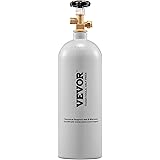
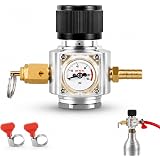
Even a great beer can be enhanced. Dry hopping offers an avenue for experimentation. However, dry hopping an entire batch carries risk. What if the hop character clashes? The solution lies in small-batch trials. A pressurized growler system is ideal. The Vevor half-gallon growler allows this. A mini CO2 regulator connects to it. This applies top pressure. Beer can then be dispensed via a standard faucet. A small portion of the finished Blonde Ale is transferred. A quarter to half ounce of Rakau hops is added. This New Zealand hop offers unique characteristics. The growler is refrigerated for two to three days. This allows hop oils to infuse. The dry-hopped version showed clear differences. Visually, a haze developed. The base beer remained crystal clear. Rakau hops delivered distinct notes. Pithy apricot and green pepper emerged. Pineapple and unripe orange characters were also found. This created an intriguing profile. However, it was a departure from the clean base beer. This method minimizes risk. Brewers can safely test new hop varieties. It prevents an entire batch from being “ruined.” The base **American Blonde Ale** offers a clean, crisp profile. The dry-hopped variant presents a bold, experimental twist. This technique is invaluable for exploration.Your Easy All-Grain Cascade Blonde Ale Brewing Questions Answered
What is an American Blonde Ale?
It’s a clean, crisp, and very drinkable beer known for its delicate malt and subtle hop character. It’s considered a great style for new all-grain brewers because of its straightforward process.
Why is the American Blonde Ale a good beer for beginners to brew?
It offers a simple and straightforward brewing experience, which is perfect for learning and practicing fundamental all-grain brewing skills. The recipe uses minimal ingredients, making it easy to manage.
What kind of main ingredients are used in this Blonde Ale recipe?
The main ingredient is Pale Ale malt, with a small amount of Honey malt for special flavor. Hops like Columbus and Cascade provide subtle bitterness and aroma, and a clean American Ale yeast ensures a crisp finish.
Why is controlling fermentation temperature important for a Blonde Ale?
Controlling the fermentation temperature, ideally between 65-68°F, is crucial to prevent off-flavors and ensure the beer has a clean, crisp taste. Higher temperatures can produce undesirable fruity flavors.
What is dry hopping and how can I experiment with it safely?
Dry hopping is adding hops to beer after fermentation to boost aroma and flavor. You can safely experiment by dry hopping a small amount of finished beer in a pressurized growler to see if you like the results before committing an entire batch.