The distinctive character of Altbier, as highlighted in the video above, is truly a fascinating subject for any beer enthusiast. This German ale style presents a remarkable balance of malty richness and a crisp, dry finish, distinguishing it from many other brews. Its unique fermentation process and traditional preparation methods result in a beer that is appreciated for its depth and drinkability.
Understanding Altbier: A Traditional German Ale
Altbier, meaning “old beer” in German, refers to a traditional beer style originating from Düsseldorf. This designation hints at its adherence to older brewing methods, especially its top-fermenting yeast which is typically associated with ales. While many German beers are known for their lagering process, Altbier proudly retains its ale identity, offering a refreshing contrast. It is often considered a bridge between the robust flavors of an ale and the clean finish often found in lagers.
The fermentation process for Altbier is particularly interesting because it uses an ale yeast strain. This yeast operates at cooler temperatures compared to many other ale yeasts, contributing to the beer’s clean profile. Following fermentation, the beer is traditionally conditioned at cold temperatures, much like a lager, which helps to refine its flavors and create its characteristic smooth texture. This dual approach to brewing is what gives Altbier its signature complexity and drinkability.
Imagine if a beer could perfectly blend the fruity esters of a classic ale with the crispness of a finely conditioned lager; that distinct balance is often found in a well-crafted Altbier. The tradition of brewing Altbier has been passed down through generations, ensuring that its authentic characteristics are maintained. This dedication to historical methods results in a beer that carries a legacy of flavor and craftsmanship.
Characteristics of a Classic Altbier
When an Altbier is poured, its visual appeal is immediately noticeable. A deep, coppery amber color is typically observed, reflecting the rich malt bill used in its creation. This inviting hue often has brilliant clarity, which is achieved through careful brewing and conditioning. The head, if carbonation levels are ideal, is usually dense and creamy, often presenting an off-white or tan color that complements the beer’s body.
The aroma of Altbier is another key indicator of its style. Pronounced malt characteristics are usually detected, often featuring notes of caramel and toasted bread. A subtle fruitiness, derived from the ale yeast, might also be perceived, adding another layer of complexity to the bouquet. These aromas are not overwhelming but rather inviting, preparing the palate for the flavors to come. Imagine sensing the comforting scent of a freshly baked loaf of rye bread, subtly intertwined with a hint of dried fruit.
On the palate, Altbier delivers a harmonious blend of flavors. The malt sweetness, often described as bready or caramel-like, is typically balanced by a moderate hop bitterness, which provides a clean counterpoint. A distinctive crispness often marks the finish, ensuring that the beer does not feel cloyingly sweet despite its malt-forward nature. This dry finish is a hallmark of the style, making each sip enjoyable and encouraging another.
Exploring Altbier Flavors: Malt and More
The prominence of malt flavors in Altbier cannot be overstated. High-quality malted barley is selected to create the foundational taste profile, providing deep, bready, and often nutty undertones. These malts are frequently toasted or kilned to specific levels, contributing to the beer’s rich color and complex caramel notes. The skillful combination of different malt varieties is crucial in achieving the Altbier’s signature taste.
While malt is the star, the subtle nuances contributed by the ale yeast are equally important. This yeast, fermenting at cooler temperatures, produces minimal fruity esters, allowing the malt character to shine through but also adding a delicate layer of complexity. It is understood that the yeast contributes to the overall “clean” profile, ensuring that the beer remains refreshing despite its depth of flavor. Imagine a beer where the robust warmth of a freshly baked cookie meets the refreshing crispness of a clear autumn day.
The balance between malt sweetness and hop bitterness is meticulously managed in Altbier brewing. While the beer is definitely malt-forward, the presence of Noble hops helps to provide a clean, slightly spicy, or floral counterpoint. This careful hopping prevents the beer from becoming overly sweet and instead contributes to its renowned balance and drinkability. The bitterness is not aggressive but rather acts as a sophisticated palate cleanser, enhancing the overall experience.
Brewing Altbier: A Nod to Tradition
The traditional brewing methods for Altbier are often maintained with great respect for history. Ingredients are carefully chosen, often adhering to the German Purity Law (Reinheitsgebot), ensuring a clean and authentic product. This dedication means that only water, malt, hops, and yeast are typically used, allowing the natural flavors of each component to truly express themselves. The simplicity of ingredients belies the complexity of the final beverage.
The fermentation and conditioning phases are critical to developing the unique characteristics of Altbier. After the primary fermentation with top-fermenting ale yeast, the beer is often subjected to a “lagering” or cold conditioning period. This extended cold storage allows the flavors to meld, undesirable byproducts to settle out, and the beer to achieve its characteristic clarity and smoothness. This period contributes significantly to the crisp, dry finish that is highly prized.
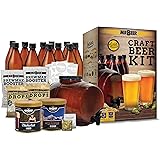
For homebrewers, recreating a true Altbier can be a rewarding challenge. It involves careful temperature control during fermentation and patience during the conditioning phase. Achieving the perfect balance of malt complexity, subtle fruitiness, and a clean, dry finish requires attention to detail. Imagine the satisfaction of crafting a beer that embodies centuries of German brewing tradition, perfectly replicating that deep, coppery amber hue and super moorish flavor. Crafting an Altbier successfully is considered a testament to a brewer’s skill and dedication.
Still Brewing Questions? Altbier Q&A with The Blue Trouser Brewer
What is Altbier?
Altbier is a traditional German ale, whose name means “old beer.” It’s known for blending the rich flavors of an ale with the clean finish often found in lagers.
Where does Altbier originate?
Altbier is a traditional beer style that comes from Düsseldorf, Germany. Its name, meaning “old beer,” refers to its adherence to older brewing methods.
What color is Altbier and what does it taste like?
Altbier typically has a deep, coppery amber color. It tastes malt-forward with bready and caramel notes, balanced by a moderate hop bitterness and a crisp, dry finish.
What is unique about Altbier’s brewing process?
Altbier uses an ale yeast that ferments at cooler temperatures, and after fermentation, it is conditioned at cold temperatures much like a lager. This dual approach gives it a complex yet clean and smooth profile.