Welcome, fellow homebrewers! If you’ve just watched Trent Musho’s video above on “What’s the BEST FERMENTER?! How to Choose a Home Brew Fermenter,” you know that selecting the right vessel for your brew is a critical decision. The fermenter isn’t just a container; it’s where your wort truly transforms into the delicious beer, wine, or cider you’ve been dreaming of. Getting this choice right can mean the difference between a pristine batch and an infected disappointment.
There are countless options on the market today, and navigating them can feel overwhelming. From different materials to unique shapes and advanced features, each type of home brew fermenter brings its own set of advantages and challenges. This guide will expand on the insights from the video, providing a deeper dive into the world of fermenters to help you confidently choose the best one for your brewing journey.
Essential Fermenter Materials: Glass, Plastic, and Stainless Steel
The material of your fermenter significantly impacts its durability, ease of cleaning, and overall performance. Trent highlighted the three most common options, each with distinct characteristics that cater to different brewing needs and budgets. Understanding these differences is key to making an informed decision for your home brewing setup.
Glass Fermenters: Transparency and Purity
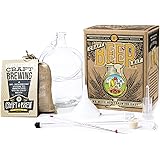
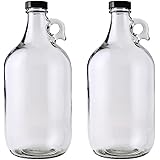
Glass fermenters, particularly carboys, have long been a staple in homebrewing, especially for beginners and winemakers. Their non-porous surface is a huge advantage. This impermeability means glass won’t absorb flavors or odors from previous batches, ensuring a clean slate for every fermentation. It’s also exceptionally easy to sanitize, as there are no scratches to harbor bacteria, making it ideal for long-term aging.
However, glass comes with significant drawbacks. Its fragility is a major concern; a single bump can lead to a shattered fermenter and a lost batch. Filled glass carboys are also incredibly heavy and awkward to move, increasing the risk of accidents. Additionally, clear glass can expose your brew to light, leading to “skunking” or light-struck flavors. For this reason, many brewers prefer amber-colored glass or keep their fermenters in dark spaces.
Plastic Fermenters: Affordable and Adaptable
Plastic fermenters are another popular choice, particularly for new brewers, often included in starter kits. They are notably more forgiving than glass, resisting breakage much better if dropped or bumped. This durability, combined with their lower cost, makes them an attractive entry point into homebrewing. Plastic fermenters are also generally lighter, which makes handling easier, even when full.
The primary concern with plastic is its susceptibility to scratching. Abrasive cleaning tools or even enthusiastic stirring can create tiny grooves where bacteria can hide, increasing the risk of infection. Brewers must use food-grade, reusable plastics and avoid single-use containers. While transparent plastic allows you to observe fermentation, it shares glass’s vulnerability to light exposure. Opaque plastic fermenters solve this issue but prevent visual monitoring of the fermentation process.
Stainless Steel Fermenters: The Professional Standard
Stainless steel is widely considered the “gold standard” for fermenters, emulating the equipment used in commercial breweries. Its unmatched durability means a stainless steel fermenter, properly cared for, can last a lifetime. These vessels are highly resistant to scratches and corrosion, making them exceptionally sanitary and easy to clean, without the risk of bacterial harbors.
One of the main disadvantages of stainless steel is its higher upfront cost. While it’s a long-term investment, it can be prohibitive for brewers on a tight budget. Another minor drawback is the opaque nature of stainless steel, which prevents visual observation of the fermentation process. However, for many experienced brewers, the benefits of durability, sanitation, and temperature control outweigh these considerations, making stainless steel a preferred choice for serious homebrewers.
Exploring Fermenter Shapes: Buckets, Carboys, and Conicals
Beyond material, the shape of your fermenter plays a significant role in usability, cleaning, and even the quality of your finished brew. Trent touched upon the most common shapes, each designed with specific functionalities in mind for the homebrewer.
Buckets: The Versatile Workhorse
Fermentation buckets are arguably the most ubiquitous shape in homebrewing, celebrated for their simplicity and affordability. They are incredibly easy to clean due to their wide openings, allowing full access for scrubbing. Many plastic buckets come with handles, making them somewhat easier to move than carboys, especially when full. As Trent mentioned, you can even construct a DIY fermenter bucket for under $10, making them an excellent choice for experimental batches or beginners.
While plastic buckets are common, stainless steel bucket fermenters offer an upgrade in durability and sanitation. Buckets can come with or without spigots. Those with spigots simplify transfers, eliminating the need for an auto-siphon. The main limitation with most bucket designs is the inability to easily dump yeast or trub during fermentation, often requiring a transfer to a secondary fermenter if you want to leave sediment behind.
Carboys: Traditional and Trustworthy
Carboys, traditionally made of glass, are characterized by their narrow neck and bulbous body. They are excellent for long-term aging, providing minimal headspace and reducing oxygen exposure once fermentation subsides. Glass carboys offer a beautiful visual of the fermentation process, which many brewers appreciate.
However, the narrow neck, while great for airlock sealing, makes cleaning a notoriously difficult chore. Reaching every surface requires specialized brushes and a lot of effort. In the last 20 years, advancements have led to plastic carboys with wider mouths, significantly improving ease of cleaning. Despite these improvements, carboys, regardless of material, can be challenging to lift and move safely due to their smooth, often slippery sides when filled. Investing in carboy handles or straps is a smart choice for safety.
Conical Fermenters: The Brewer’s Dream
Conical fermenters are increasingly popular in homebrewing, directly mimicking the design of commercial brewery vessels. Their conical bottom allows yeast and trub to collect at a single point, enabling brewers to “dump” the sediment without disturbing the main body of the beer. This feature is particularly beneficial for reducing off-flavors from yeast autolysis and allows for cleaner transfers and even yeast harvesting.
Most homebrewing conicals are available in plastic or stainless steel and come with a stand or legs. Some advanced models include collection balls at the bottom for yeast harvesting or dry-hopping. While highly functional, conicals are often larger and may not fit easily into standard fermentation chambers or ice baths without a dedicated cooling system like a glycol chiller. This can add to the overall investment, but the benefits for yeast management and clarity are considerable.
Advanced Fermentation Techniques: Pressure Fermenting
Beyond the fundamental materials and shapes, modern homebrewing offers advanced techniques that further refine your process. Pressure fermentation, as Trent briefly noted, has gained significant traction for its remarkable benefits. This method involves conducting active fermentation in a sealed vessel capable of holding pressure, typically between 5-15 PSI.
The advantages of pressure fermentation are compelling. It drastically minimizes the risk of oxygen ingress, preserving delicate hop aromas and preventing oxidation, which can lead to stale flavors. Many brewers also report quicker fermentation times and an increased hop character in their finished beers, as volatile hop compounds are retained within the pressurized vessel. Surprisingly, some brewers successfully ferment lager yeasts at warmer temperatures under pressure, producing clean lagers without the need for extensive cold crashing.
Pressure fermenters come in various forms, including specialized conicals and rounder pressure vessels made from plastic or stainless steel. One of the most economical ways to try pressure fermentation is by converting a standard Cornelius keg, often used for serving beer, into a fermenter. This dual-purpose equipment can be a cost-effective entry point into advanced fermentation techniques.
Essential Fermenter Accessories for Optimal Brewing
No matter which fermenter you choose, certain accessories can significantly enhance your brewing experience and the quality of your beer. Trent highlighted some crucial considerations, but let’s dive deeper into why these matter and what to look for.
-
Spigots for Easy Transfers: A fermenter with a spigot at the bottom simplifies transferring your beer to a keg or bottling bucket. This eliminates the need for an auto-siphon, reducing the risk of oxygen exposure and making the process much cleaner and less laborious. Look for spigots that are easy to disassemble and clean to prevent bacterial buildup.
-
Handles for Mobility: Moving a full fermenter can be a precarious task, especially with smooth, heavy carboys. Sturdy handles, whether built-in (common on buckets) or as separate straps (available for carboys), provide a secure grip and prevent spills or drops. This seemingly minor feature can save you from a huge mess and potential injury.
-
Thermowells for Accurate Temperature Monitoring: Fermentation temperature is paramount for yeast health and flavor development. A thermowell is a sealed tube that extends into the fermenter’s liquid, allowing you to insert a thermometer or temperature probe directly into your wort without exposing it to air. This provides a precise reading of your beer’s actual temperature, not just the ambient air around the fermenter, enabling better temperature control and preventing off-flavors caused by temperature swings.
-
Temperature Control Compatibility: The ability to control fermentation temperature is arguably the most critical factor for producing high-quality beer. Consider how your chosen fermenter will fit into your temperature control strategy. Can it fit into a fermentation chamber, a chest freezer, or an insulated ice bath? For larger conicals, you might need a dedicated glycol chiller or a carefully controlled fermentation room. Investing in reliable temperature control equipment will elevate your brewing significantly.
-
Airlocks and Bungs: These are fundamental for any fermenter. The airlock allows CO2 to escape during fermentation while preventing outside air and contaminants from entering. Ensure you have properly sized bungs or gaskets that create a tight seal with your chosen fermenter opening.
Choosing Your Ideal Home Brew Fermenter: Recommendations for Every Brewer
Ultimately, the “best” home brew fermenter is subjective, depending on your budget, experience level, and brewing goals. Trent offered some excellent advice, and we can elaborate on those recommendations to guide your decision-making process.
If money is no object and you seek a professional, long-lasting solution, a high-quality stainless steel conical fermenter is an unparalleled investment. These vessels offer superior durability, sanitation, and advanced features for yeast management, truly streamlining your brewing process. While a significant upfront cost, it’s a purchase that can last a lifetime, ensuring consistently clean and clear brews for years to come.
For those looking for a substantial upgrade without breaking the bank, a stainless steel bucket fermenter presents an excellent middle ground. It combines the ease of cleaning and durability of stainless steel with the user-friendly design of a bucket. This option is a fantastic step up for brewers ready to move beyond basic plastic but not yet ready for the full conical investment. It’s a solid, long-term asset for your homebrewing setup.
If you’re brewing on a tighter budget or just starting your journey, a wide-mouth plastic carboy or even a simple plastic bucket is a highly practical choice. These options are inexpensive, durable enough for many batches, and offer a great way to learn the ropes of fermentation without a huge financial commitment. As Trent suggested, don’t overspend when you’re just getting started; focus on mastering the core principles of brewing first. You can always upgrade your home brew fermenter down the line as your skills and passion grow.
Ferment Your Questions: A Q&A on Choosing Your Vessel
What is a fermenter in homebrewing?
A fermenter is the vessel where your wort (unfermented beer) transforms into beer, wine, or cider through the fermentation process. Choosing the right one is crucial to prevent infections and ensure a good batch.
What are the common materials used for home brew fermenters?
The three most common materials are glass, plastic, and stainless steel. Each has different benefits regarding durability, ease of cleaning, and cost.
What are the main shapes of fermenters?
Common shapes include buckets, which are easy to clean; carboys, known for long-term aging; and conical fermenters, which allow easy removal of yeast sediment.
Why is temperature control important for fermentation?
Controlling the fermentation temperature is critical for healthy yeast and proper flavor development. It helps prevent off-flavors and ensures a high-quality finished product.
Which type of fermenter is recommended for a new homebrewer on a budget?
For beginners on a budget, a wide-mouth plastic carboy or a simple plastic bucket is highly recommended. They are inexpensive, durable, and great for learning the basics without a large financial commitment.