Mead, often referred to as the “Nectar of the Gods,” carries with it a history as rich and profound as its complex flavors. This ancient alcoholic beverage, crafted simply from honey, water, and yeast, predates both wine and beer, with its origins potentially stretching back tens of thousands of years. From Viking longhouses to Egyptian tombs, mead has been revered across cultures and millennia, playing a significant role in rituals, celebrations, and daily life. Its resurgence in modern times speaks to a growing appreciation for artisanal craft and a connection to historical culinary traditions. As demonstrated in the accompanying video, the journey of creating **traditional mead** from start to finish is a fascinating blend of art and science, requiring patience, precision, and a touch of passion.
The Essentials for Crafting Traditional Mead
Embarking on the adventure of **traditional mead making** necessitates a foundational understanding of both the process and the tools involved. While the concept itself is straightforward—fermenting honey—the nuances lie in ingredient selection, proper technique, and meticulous sanitation. Success in homebrewing, particularly with mead, is often attributed to careful preparation rather than complex procedures.
Essential Equipment for Mead Making
A well-equipped workspace ensures a smooth brewing process. It is often observed that a dedicated setup greatly simplifies each step, from mixing the must to bottling the final product. The following items are generally considered indispensable:
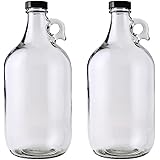
- Fermentation Vessels: Typically glass carboys or food-grade plastic buckets (1-gallon to 5-gallon capacities are common). These are where the magic of fermentation truly happens.
- Airlock and Stopper: An airlock allows gases produced during fermentation to escape without letting unwanted air or contaminants in.
- Hydrometer and Test Jar: Used to measure the specific gravity of the must, indicating sugar content and tracking fermentation progress.
- Thermometer: Crucial for monitoring temperature during yeast rehydration and initial must preparation.
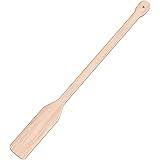
- Long Spoon or Stirring Paddle: For thoroughly mixing honey and water. Stainless steel or food-grade plastic is preferred.
- Auto-Siphon or Racking Cane with Tubing: Essential for transferring mead between vessels while minimizing sediment and oxidation.
- Sanitizer: Products like Star San or iodine-based sanitizers are vital for maintaining a sterile environment.
- Bottles and Caps: Swing-top bottles or standard beer bottles with crown caps are needed for the finished mead. A capper will be required for crown caps.
- Funnel and Strainer: Useful for pouring and straining ingredients.
Core Ingredients for Traditional Mead
The beauty of **traditional mead** lies in its simplicity. Only a handful of ingredients are required, yet the quality of each significantly impacts the final product. It is often emphasized that the choice of honey is paramount.
- Honey: This is the soul of your mead. While any honey can be used, specific varietals impart distinct flavor profiles. For a truly traditional experience, a mild, floral honey like clover, orange blossom, or alfalfa is often chosen. Wildflower honey offers a more complex, multi-layered character. Buckwheat honey, on the other hand, yields a darker, more robust mead often described as earthy or even leathery. Approximately 2-4 pounds of honey per gallon of water is a common ratio, depending on the desired sweetness and alcohol content.
- Water: Clean, unchlorinated water is essential. Tap water can be used if it is first treated to remove chlorine or chloramines, which can produce off-flavors. Spring water or filtered water is frequently recommended for its neutral profile.
- Yeast: Specialized wine or mead yeasts are best suited for fermenting honey. Strains like Lalvin EC-1118 (for dry, high-alcohol meads), Lalvin D-47 (for a fruitier, medium-bodied mead), or Lalvin K1V-1116 (known for tolerance to difficult conditions) are popular choices. The yeast chosen directly influences the aroma, flavor, and alcohol level of the finished mead.
- Yeast Nutrients: While not strictly part of the historical definition of “traditional,” modern mead making often includes yeast nutrients (e.g., Fermaid O, Fermaid K, DAP) and yeast energizers. Honey is notoriously deficient in essential nitrogen and other micronutrients that yeast needs to thrive. The inclusion of these nutrients helps ensure a healthy fermentation, preventing stuck ferments and minimizing off-flavors.
Sanitation: The Unsung Hero of Mead Making
Before any ingredients are combined, the critical importance of sanitation cannot be overstated. It is widely acknowledged that cleanliness is not just a suggestion but a strict requirement in brewing. Bacteria and wild yeasts, ever-present in the environment, are known to spoil batches, leading to off-flavors (sour, vinegary, medicinal) or even complete lack of fermentation. Every piece of equipment that will come into contact with the must or finished mead must be thoroughly cleaned and then sanitized.
Cleaning involves removing visible grime and residue with soap and water, followed by rinsing. Sanitizing, however, kills microscopic organisms. Solutions such as Star San (a no-rinse acid-based sanitizer) are typically mixed according to manufacturer instructions and used to soak or spray all equipment. It is consistently advised that if something touches your mead, it should be sanitized first. A common mantra among brewers is “Don’t just clean it; sanitize it.”
Crafting the Must: The Foundation of Your Mead
The term “must” refers to the unfermented mixture of honey and water. Its preparation sets the stage for the entire fermentation process. Firstly, the honey is carefully diluted in water to achieve the desired initial sugar concentration.
A typical procedure involves heating a portion of the water (not boiling, which can drive off delicate aromatics from the honey) to help dissolve the honey more easily. The honey is then added and stirred until fully incorporated, creating a homogenous solution. This warm honey mixture is then combined with the remaining cold water to reach the target volume and cool to the optimal pitching temperature for the yeast, usually between 65-75°F (18-24°C).
After the must has cooled, a hydrometer reading is taken. This measurement of specific gravity (SG) indicates the initial sugar content. For instance, an SG of 1.100 might be targeted for a standard mead, suggesting a potential alcohol content of approximately 13-14% ABV. This initial reading is crucial for calculating the final alcohol by volume (ABV) later on.
Pitching the Yeast: Bringing Mead to Life
With the must prepared and at the correct temperature, the yeast is introduced—a process known as “pitching.” This is the moment the living organisms are tasked with converting the honey’s sugars into alcohol and carbon dioxide.
Different yeast strains are selected based on the desired characteristics of the final mead. For example, if a dry, crisp mead with a clean finish is desired, a robust, high-alcohol tolerant yeast like EC-1118 might be chosen. Conversely, for a mead with more residual sweetness and a richer aroma, a yeast like D-47 could be preferred. It is often recommended that the yeast be rehydrated in a small amount of warm water (as per the yeast manufacturer’s instructions) prior to pitching. This gentle rehydration process helps to awaken the dormant yeast cells, making them more vigorous and better prepared for the fermentation ahead. Yeast nutrients are typically added to the must either before or shortly after pitching, providing the necessary sustenance for a healthy and complete fermentation.
Primary Fermentation: The Bubbly Beginning
Once the yeast has been pitched, the primary fermentation stage begins. The fermentation vessel is sealed with an airlock, creating an anaerobic environment. Within 24-48 hours, vigorous bubbling in the airlock is commonly observed, indicating active fermentation. This activity signifies the yeast consuming the sugars, producing alcohol, and releasing CO2.
During primary fermentation, the must is typically kept in a cool, dark place with a stable temperature, ideally between 60-75°F (15-24°C). Temperatures that are too high can lead to the production of fusel alcohols, which can result in harsh, solvent-like flavors. Too low, and the yeast may become sluggish or even stall. Regular monitoring of the airlock activity provides a visual cue of fermentation progress. Primary fermentation usually lasts anywhere from two to four weeks, depending on the yeast strain, temperature, and sugar content. A hydrometer reading will show a declining specific gravity, signaling the conversion of sugars.
Racking to Secondary: Clarity and Conditioning
After primary fermentation has largely subsided (indicated by a significant reduction in airlock activity and a stable hydrometer reading for several days), the mead is typically “racked” into a secondary fermentation vessel. This process involves carefully siphoning the mead off the layer of spent yeast and other sediment (known as “lees”) at the bottom of the primary fermenter. This step is crucial for several reasons.
Firstly, it helps to prevent off-flavors that can develop if the mead sits on a thick layer of lees for too long. Secondly, it aids in clarification, allowing further sediment to settle out. Thirdly, it creates an opportunity for the mead to condition and mature in a more stable environment. When racking, it is paramount to minimize oxygen exposure, as excessive oxygen can lead to oxidation, resulting in Sherry-like or cardboard flavors in the finished mead. The secondary vessel is then also sealed with an airlock and often allowed to rest for several months.
Aging: The Patience of Mead
Perhaps the most challenging, yet rewarding, aspect of **traditional mead making** is the aging process. Unlike beer, which is often consumed young, mead frequently benefits immensely from extended aging. Many meads are considered to improve significantly over periods of six months to several years, sometimes even longer. During this time, the flavors mellow, harsh alcohol notes integrate, and the overall complexity and smoothness of the mead develop.
The aging vessel (typically a glass carboy) is kept in a cool, dark place where temperature fluctuations are minimal. Over time, further sediment may settle, and additional racking might be performed to ensure clarity and remove any remaining lees. This patient waiting period allows the various flavor compounds within the honey to meld and mature, transforming what might initially be a simple, sweet beverage into a nuanced and sophisticated drink.
Bottling Your Homemade Mead: The Final Reward
After the aging process is complete, and the mead has achieved the desired clarity and flavor profile, it is ready for bottling. This final step secures the mead for long-term storage and makes it ready for enjoyment.
As with all previous stages, meticulous sanitation of bottles, caps, and any bottling equipment is absolutely essential. The mead is gently siphoned from the aging vessel into clean, sanitized bottles, ensuring minimal disturbance of any sediment and minimal exposure to air. For still meads (the most common form of **traditional mead**), no priming sugar is added. The bottles are then sealed—either with crown caps using a capper or with swing-top closures. Once bottled, the mead should be stored upright or on its side (for corked bottles) in a cool, dark place. While ready to drink, many meads continue to evolve and improve even further in the bottle, offering delightful surprises for those with the patience to wait.
Fermenting Your Questions: A Mead Q&A
What is mead?
Mead is an ancient alcoholic beverage made simply from honey, water, and yeast. It is often referred to as “Nectar of the Gods” and predates both wine and beer.
What are the core ingredients needed to make traditional mead?
The core ingredients for traditional mead are honey, clean water, and specialized wine or mead yeast. Yeast nutrients are also commonly used to ensure healthy fermentation.
Why is sanitation important when making mead?
Sanitation is critical because bacteria and wild yeasts can spoil your mead, leading to off-flavors or preventing fermentation. All equipment that touches the mead must be thoroughly cleaned and sanitized.
What is ‘must’ in mead making?
The ‘must’ is the unfermented mixture of honey and water that you prepare before adding the yeast. It is the foundation that will ferment into mead.