There are mornings when a single cup of coffee simply won’t cut it. Perhaps you’re hosting a brunch, preparing for a busy week ahead, or just have an insatiable love for the smooth, low-acid delight that is cold brew. If you’ve just watched the video on making a gallon of cold brew, you know the basics are surprisingly straightforward. However, truly mastering this art means delving deeper into the ‘why’ behind each step, ensuring every batch is as perfect as the last.
Making your own gallon of cold brew at home is a game-changer. It not only provides a convenient, delicious base for all your favorite coffee drinks but also offers a significant cost saving compared to daily cafe visits. Let’s expand on the video’s excellent foundation and unlock the full potential of your home cold brew setup.
Why Master Homemade Cold Brew?
The allure of cold brew lies in its inherent characteristics: a smoother, less acidic profile than traditional hot-brewed coffee. This is largely due to the cold water extraction process, which pulls fewer bitter compounds and oils from the coffee grounds. Crafting a large batch, as demonstrated, means consistent access to this delightful beverage.
Furthermore, having a gallon of cold brew concentrate on hand empowers you to customize your daily coffee ritual. From iced lattes to frothy cold foam creations, the possibilities are vast. It’s about more than just convenience; it’s about elevating your coffee experience to a professional level, right from your own kitchen.
The Foundation: Coffee Beans and Grind
Just like any culinary endeavor, the quality of your ingredients dictates the final outcome. For making cold brew, your choice of coffee beans and how you grind them are paramount. The video rightly highlights two crucial aspects: utilizing older beans and achieving the correct grind size.
Giving Older Beans a New Purpose
The pro tip about using older coffee beans for cold brew is a brilliant way to reduce waste, and it truly works. While fresh beans with vibrant aromas are ideal for pour-overs or espresso, their delicate nuances can sometimes get lost in the long, cold extraction process of cold brew. Older beans, perhaps a few weeks or months past their roast date, may have lost some aromatic intensity but retain enough flavor for an excellent cold brew.
Their slightly diminished volatile compounds make them less prone to over-extraction and bitterness during the extended steeping period. This clever hack ensures you’re getting the most out of every bag of coffee, transforming what might otherwise be discarded into a delicious, smooth cold brew concentrate.
Mastering Your Cold Brew Grind Size
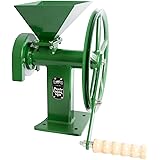
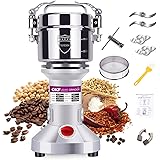
Perhaps the most critical factor in preventing a bitter cold brew is the grind size. The video accurately advises a coarse grind, comparing it to breadcrumbs. This isn’t merely a suggestion; it’s a fundamental principle of cold brew extraction.
Unlike hot brewing, where fine grounds allow for quick extraction, cold brewing relies on prolonged contact. A coarse grind prevents over-extraction, which is the primary culprit behind bitter coffee. Moreover, finely ground coffee can pass through filters, resulting in a silty, muddy concentrate. Aim for particles roughly the size of sea salt or coarse cornmeal to ensure optimal flavor extraction and a clean, smooth finish.
The Perfect Cold Brew Ratio and Steeping
Once you have your beans and ideal grind, the next steps involve precise measurements and patient steeping. The video provides an excellent starting point for a gallon batch, offering a robust foundation for your cold brew journey.
Precision in Measurements
For a gallon of cold brew concentrate, the video recommends 250 grams of coffee to 3,780 grams of cold water. This equates to approximately a 1:15 ratio (coffee to water by weight), which is a common and highly effective starting point for a strong concentrate. Using a kitchen scale for both coffee and water ensures consistency, batch after batch. While a gallon jug is a convenient vessel, knowing the precise gram measurements allows you to scale this recipe up or down depending on your needs.
Maintaining a consistent ratio is key to reproducible results. Too much coffee and your concentrate might be overwhelmingly strong; too little, and it could lack depth. This 1:15 ratio strikes a perfect balance, yielding a versatile concentrate that can be diluted to your preference.
The Magic of Room Temperature Steeping
The transcript specifies allowing the mixture to sit at room temperature for 24 hours. This detail is important because temperature directly impacts extraction rates. While some recipes suggest refrigerating the brew, room temperature steeping generally leads to a more complete and efficient extraction of flavors. The slightly warmer environment helps draw out the coffee’s characteristics more effectively over the extended period.
A full 24 hours is the sweet spot for many cold brew enthusiasts. This duration ensures that the cold water has ample time to extract the desirable flavors and compounds without introducing bitterness. However, some experimentation with steeping times, anywhere from 12 to 24 hours, might be beneficial to find your absolute favorite flavor profile. Just be mindful that exceeding 24 hours can sometimes lead to an undesirable, over-extracted taste.
Beyond the Brew: Straining, Storage, and Enjoyment
Once your cold brew has steeped to perfection, the journey isn’t quite over. Proper straining and storage are crucial for a clean, long-lasting concentrate, ready for a myriad of delicious applications.
Straining for Clarity
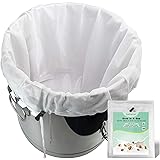
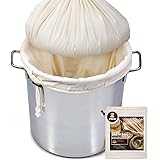
After the 24-hour steep, you’ll need to separate the concentrate from the grounds. A fine-mesh sieve lined with cheesecloth or a dedicated cold brew filter is ideal for this. The goal is to remove all coffee particles, leaving you with a clear, sediment-free concentrate. A second pass through the filter is often recommended for ultimate clarity and a silky-smooth mouthfeel. Avoid pressing or squeezing the coffee grounds excessively, as this can force unwanted bitter compounds and fines into your concentrate.
Storing Your Cold Brew Concentrate
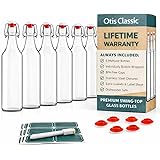
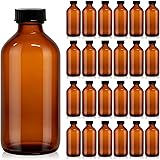
Once strained, transfer your cold brew concentrate into an airtight container, such as glass jars or bottles. Stored in the refrigerator, this concentrate remains fresh and potent for up to two weeks, sometimes even longer. Always ensure the container is completely sealed to prevent any absorption of refrigerator odors, which could compromise the delicate flavors of your cold brew.
Endless Possibilities: How to Enjoy Your Cold Brew
With a gallon of cold brew concentrate in hand, your daily coffee routine transforms. This isn’t a ready-to-drink coffee; it’s a potent base designed for dilution. A common starting point is a 1:1 ratio with water or milk, but feel free to adjust to your personal preference. Some prefer a stronger 2:1 concentrate to water ratio, while others might dilute it even further.
Here are just a few ways to enjoy your homemade cold brew:
- Classic Iced Coffee: Mix with equal parts cold water and ice.
- Creamy Cold Brew Latte: Combine with your favorite milk (dairy or non-dairy) and a touch of sweetener over ice.
- Signature Drinks: Add flavored syrups, whipped cream, or even a splash of sparkling water for a refreshing twist.
- Cocktails: It’s an excellent base for coffee-infused alcoholic beverages.
- Smoothies: A great way to add a coffee kick to your morning blended drink.
Experimentation is key to discovering your favorite cold brew concoctions. The beauty of having a homemade gallon is the freedom to create and customize, making every cup a uniquely satisfying experience. Enjoy the rich, smooth flavor of your perfectly brewed cold brew!
Making the Most of Your Gallon: Cold Brew Q&A
What makes cold brew coffee different from regular hot-brewed coffee?
Cold brew coffee is made by steeping coffee grounds in cold water for a long time. This process results in a smoother, less acidic taste compared to coffee brewed with hot water.
What kind of coffee beans are best to use for cold brew?
You can effectively use older coffee beans for cold brew, even ones a few weeks or months past their roast date. This helps reduce waste and still yields a delicious, smooth cold brew.
What is the correct grind size for making cold brew?
For cold brew, you should use a coarse grind, similar in size to sea salt or breadcrumbs. This helps prevent your coffee from becoming bitter and keeps the final concentrate clear.
How long should cold brew steep, and at what temperature?
The mixture should steep at room temperature for a full 24 hours. This allows enough time for the flavors to extract properly without causing bitterness.
Do I drink cold brew concentrate straight, or do I need to prepare it?
Cold brew concentrate is a strong base that needs to be diluted before drinking. A common way is to mix it with equal parts cold water or milk, adjusting to your personal preference.