For many aspiring homebrewers, the prospect of investing in extensive equipment can appear daunting, with costs often perceived as a significant barrier to entry. However, as demonstrated by seasoned brewers who started with minimal setups over two decades ago, the journey into crafting your own beer doesn’t necessitate an immediate, substantial financial outlay. The speaker in the accompanying video, for instance, initiated his brewing endeavors with a humble five-gallon kit, featuring a basic stainless pot and a small cooling coil. This pragmatic approach underscores a crucial insight: high-end, specialized DIY beer brewing equipment is not a prerequisite for producing quality homemade beer.
This article aims to demystify the essential homebrewing equipment needed for beginners, while also exploring scalable solutions for those looking to expand their production. We will delve into practical, cost-effective strategies for starting your brewing adventure and highlight how thoughtful equipment choices can optimize your process, regardless of batch size. Ultimately, the goal is to empower you to embark on or advance your homebrewing journey with confidence, ensuring that perceived complexity or cost does not hinder your passion.
Getting Started with Essential Homebrewing Equipment
The initial step into homebrewing is often far simpler and more affordable than many imagine. The core principle revolves around starting small and gradually acquiring more advanced items as your skills and enthusiasm grow. For instance, a basic homebrewing equipment kit typically includes fundamental items such as a brew kettle, a fermenter, and basic cleaning supplies. These starter kits are readily available in various sizes, including one-gallon, three-gallon, and the popular five-gallon options, catering to different space and consumption needs.
Furthermore, beginning with extract brewing is an excellent way to grasp the fundamentals without the complexity of all-grain setups. This method significantly reduces the initial equipment list and simplifies the brewing process, allowing new brewers to focus on sanitation, fermentation, and bottling. Consequently, the financial investment remains minimal, making homebrewing accessible to a wider audience. The speaker’s own experience, starting with a basic five-gallon kit and gradually scaling up over 20 years, serves as compelling evidence that a modest beginning can lead to a fulfilling and long-term hobby.
The Foundational Pieces of Your First Brewing Kit
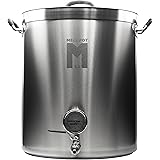
At the heart of any beginner’s DIY beer brewing equipment list are a few indispensable items. A stainless steel brew kettle, often a five-gallon capacity for standard batches, is crucial for boiling your wort. This vessel needs to be large enough to prevent boil-overs, ensuring a safe and clean brewing environment. In addition, a simple immersion chiller, such as a basic copper coil, is vital for rapidly cooling the hot wort, a critical step to prevent off-flavors and prepare for yeast pitching.
For fermentation, affordable alternatives abound. Many beginners successfully utilize food-grade five-gallon buckets equipped with an airlock, or glass carboys, as their initial fermenters. While sophisticated conical fermenters offer advanced features like yeast harvesting and trub dumping, these basic options are perfectly adequate for producing excellent beer. Moreover, these fundamental components represent a minimal upfront cost, making the entry into crafting your own beer remarkably approachable. Focusing on these core items allows new brewers to master the basics before considering more specialized gear.
Scaling Up Your Homebrewing Operations
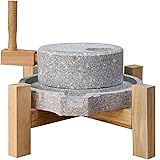
As brewers gain experience and confidence, the desire to produce larger batches or refine processes often leads to considering an upgrade in homebrewing equipment. Transitioning from five-gallon to 10-gallon or even 11-gallon batches, as the video speaker does, typically involves investing in larger vessels and more efficient tools. This expansion not only allows for greater beer output but also opens the door to more advanced brewing techniques, such as all-grain brewing, which requires specific equipment like a dedicated mash tun and a grain mill.
Furthermore, scaling up often introduces improved methods for temperature control and post-boil cooling. Advanced fermenters with features like racking arms and bottom dumps streamline the process of separating yeast and trub from the finished beer, leading to cleaner, clearer brews. The strategic acquisition of such items, informed by practical experience and a clear understanding of personal brewing goals, ensures that upgrades enhance efficiency and quality without unnecessary expenditure. The speaker’s long-term use of his scaled-up system for over 15 years demonstrates the durability and value of well-chosen, upgraded equipment.
Advanced DIY Beer Brewing Equipment for Larger Batches
For brewers venturing into 10-gallon batches, specialized DIY beer brewing equipment becomes increasingly beneficial. Modified half-barrel kegs, typically 15.5-gallon capacity, are often repurposed as high-volume mash tuns and cook kettles. These modifications frequently include welding spouts, installing thermometer gauges, and incorporating false bottoms, which are crucial for filtering grain during the mashing process. The speaker highlights his own custom-made units, which have served him reliably for years, demonstrating the longevity of quality, purpose-built equipment.
Insulation is another critical aspect for maintaining mash temperatures consistently. Using materials like ceramic fiber to insulate a mash tun helps prevent temperature fluctuations, eliminating the need for constant heat application during mashing. Moreover, for cooling larger volumes of wort, a larger copper coil immersion chiller or a plate chiller becomes more efficient. Plate chillers, while more advanced, offer rapid cooling by passing wort and cold water through separate plates. Both options significantly reduce cooling time, a vital step in preventing bacterial contamination and ensuring yeast health.
Optimizing Fermentation and Storage Solutions
Efficient fermentation and proper storage are paramount for producing high-quality beer, especially when dealing with larger volumes. A 14-gallon fermenter, for example, is ideally sized for 11-gallon batches, providing ample headspace for vigorous fermentation. Such fermenters often feature wide openings for easy yeast dumping and a sealed design with a pressure blow-off valve, ensuring a clean and controlled fermentation environment. The integration of a racking arm, as emphasized by the speaker, allows brewers to draw off clear beer from above the yeast and trub layer, leading to a superior final product.
Consequently, for storing and serving finished beer, corny kegs have become a popular choice among homebrewers. These stainless steel vessels are designed for carbonation and dispensing, making them a fantastic alternative to bottling. They offer convenience, extend beer shelf life, and integrate seamlessly with a kegerator setup. The speaker’s DIY kegerator, crafted from a secondhand refrigerator, exemplifies a cost-effective solution for temperature-controlled storage and dispensing. This approach not only saves money but also provides a customized system for maintaining optimal beer conditions, demonstrating that sophisticated solutions don’t always require commercial purchases.
Beyond the Basics: Future-Proofing Your Homebrew Setup
As the homebrewing landscape continues to evolve, innovative DIY beer brewing equipment is constantly emerging, offering enhanced control and automation. Modern fermenters, for instance, can be paired with glycol chillers to precisely control fermentation temperatures, enabling brewers to lager their beers or execute complex fermentation profiles with accuracy. This level of temperature management significantly impacts beer quality, allowing for a broader range of styles and more consistent results. Such advancements underscore the potential for continuous improvement in homebrewing setups.
Moreover, all-in-one electric brewing systems are gaining popularity, combining mash tun and cook kettle functionalities into a single unit. These systems typically feature programmable temperature controllers, simplifying the mashing and boiling processes. They offer a compact footprint and precise control, appealing to brewers seeking efficiency and automation. While these advanced pieces represent a larger investment, they can significantly streamline the brewing day and offer unparalleled control over the entire process. Ultimately, whether it’s a small canning press for personal convenience or an integrated electric system, the homebrewing market offers numerous avenues for passionate brewers to expand and refine their craft.