Crafting Your Own New England IPA: A Step-by-Step Homebrewing Guide
Diving into the world of homebrewing allows enthusiasts to create their favorite beer styles right from their kitchen, and few styles are as popular today as the New England IPA (NEIPA). This particular style, celebrated for its hazy appearance, soft mouthfeel, and intense fruity hop aroma, offers a rewarding challenge for homebrewers. As seen in the accompanying video, the process of brewing a New England IPA using a Craft a Brew kit is both accessible and exciting, providing all the necessary components for a successful batch.
This comprehensive guide expands upon the video, detailing each critical step, providing additional context, and emphasizing the science behind successful NEIPA homebrewing. Understanding the “why” behind each action, from meticulous sanitation to precise temperature control, is crucial for replicating the complex characteristics of a hazy IPA.
Essential Gear and Ingredients for Your Hazy IPA
Before you begin brewing your New England IPA, ensuring you have all the necessary equipment and ingredients from your Craft a Brew kit, plus a few common household items, is paramount. Proper preparation streamlines the brewing process and helps prevent potential issues.
What’s in Your Craft a Brew Kit:
- Three sets of hop stand hops
- Two sets of dry hop hops
- A bag of specialty grains
- Cheesecloth for steeping
- Malt extract
- Brewer’s yeast
- Sanitizer
Additional Equipment You’ll Need:
- A large stock pot (at least 2-gallon capacity)
- Two gallons of spring water
- A funnel with a strainer
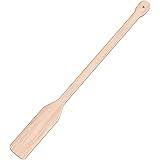
- A mixing spoon
- A spray bottle for sanitizing
- A carboy with a cap (or other fermentation vessel)
- An airlock
- A hops spider (optional, but highly recommended for containing hops)
- A blow-off assembly (hose and Mason jar)
- A sanitizer container with measurements
- An accurate thermometer
- An ice bath container (larger than your stock pot)
As emphasized in the video, maintaining impeccable sanitation throughout the homebrewing process is non-negotiable. Any surface or piece of equipment that comes into contact with your wort (unfermented beer) after the boil must be thoroughly sanitized to prevent contamination from wild yeasts or bacteria, which can spoil your New England IPA.
The Brewing Process: From Grains to Wort
The initial stages of brewing a New England IPA focus on extracting sugars from the specialty grains and then boiling them with malt extract to create a rich wort. These steps are foundational to the beer’s body and fermentability.
1. Steeping Specialty Grains: Building the Flavor Foundation
Begin by filling your stock pot with 1.5 gallons of spring water. Heat the water to a precise temperature of 155°F. This specific temperature is critical for efficiently extracting flavors, colors, and non-fermentable sugars from the specialty grains, which contribute to the hazy IPA’s characteristic mouthfeel and residual sweetness. Exceeding 160°F can release unwanted tannins from the grain husks, leading to an astringent, bitter flavor in your final New England IPA.
Once the water reaches the target temperature, place your specialty grains into the cheesecloth, tying it securely. Gently submerge the grain bag into the water. Allow the grains to steep for 20 minutes, monitoring the temperature carefully to ensure it remains between 155°F and 160°F. After 20 minutes, carefully remove the grain bag, making sure not to squeeze it. Squeezing can also extract tannins, a common pitfall for homebrewers.
2. The Boil and Malt Extract Addition: Creating the Wort
Following the steeping process, you’ll notice your water has transformed into a flavorful liquid known as wort. The next step is to bring this wort to a rolling boil, which occurs at approximately 212°F. During this stage, the wort is sterilized, and any remaining wild yeasts or bacteria are eliminated.
Once the wort is actively boiling, slowly add the malt extract. Pour it in gradually while continuously stirring to prevent it from clumping or scorching at the bottom of the pot. Adding the malt extract will temporarily reduce the wort’s temperature, so it’s essential to bring it back up to a full boil after all the extract has been incorporated. Allow the wort to boil for another 20 minutes. This period helps to concentrate the sugars and sterilize the wort further. After this boil, remove the stock pot from the heat and let it naturally cool down to 180°F, a crucial temperature for the next phase of hop additions for your New England IPA.
Hops: The Heart of the New England IPA
The distinctive character of a New England IPA heavily relies on its unique hop schedule, which deviates significantly from traditional IPA brewing. Instead of adding hops primarily during the boil for bitterness, NEIPAs feature generous additions in the hop stand and dry hopping phases, contributing to their intense aroma and flavor without excessive bitterness.
1. The Hop Stand: Aromatic Infusion
Once your wort has naturally cooled to 180°F, it’s time for the “hop stand” or whirlpool addition. This is a critical departure from traditional boiling hop additions. At this lower temperature, volatile hop oils that contribute to aroma and flavor are preserved rather than boiled off. At 180°F, add the first set of hop stand hops. If you have a hops spider, place the hops inside for easy removal later. Allow these hops to steep in the cooling wort for 30 minutes. During this period, avoid putting the pot back on the burner; simply let it continue to cool naturally. This extended contact time at a sub-boiling temperature is essential for extracting the desired hop characteristics for your New England IPA.
2. Rapid Cooling: Protecting the Yeast
After the hop stand, it is imperative to cool the wort rapidly down to 70°F. This quick cooling is typically achieved by placing the stock pot into an ice bath. Rapid cooling helps to prevent the growth of unwanted microorganisms and reduces the risk of dimethyl sulfide (DMS) formation, an off-flavor that can taste like cooked corn. More importantly, cooling to 70°F is vital because yeast, which will be added next, is a living organism. Introducing yeast into wort that is too hot (above approximately 80°F) can kill or stress the yeast, leading to incomplete fermentation or undesirable off-flavors in your hazy IPA.
Fermentation: The Yeast’s Work
With the wort cooled, it’s time to transfer it to the fermentation vessel and pitch the yeast. This is where the magic happens, as yeast converts sugars into alcohol and carbon dioxide, developing the complex flavors of your New England IPA.
1. Transferring and Aerating the Wort
Before transferring, ensure your carboy, funnel, and strainer are thoroughly sanitized. Carefully pour the cooled wort from the stock pot into the carboy, aiming to fill it up to the one-gallon mark. Once the wort is in the carboy, add the packet of brewer’s yeast. Immediately after adding the yeast, securely cap the carboy and shake it vigorously for one minute. This process, known as aeration, introduces oxygen into the wort. Oxygen is critical for the yeast to multiply rapidly in the initial stages of fermentation. However, precise timing is important; shaking for more than one minute can lead to excessive oxidation, which can negatively impact the flavor stability and shelf life of your New England IPA.
2. Setting Up the Blow-Off Assembly and Fermentation
After aeration, remove the cap and install the blow-off assembly. This typically involves fitting a hose into the carboy’s opening, with the other end submerged in a Mason jar filled with sanitizer. The blow-off assembly allows carbon dioxide (CO2) produced during active fermentation to escape without exposing the New England IPA to outside air and potential contaminants. It’s advisable to secure the hose with tape to prevent it from moving as CO2 is released. Transport your carboy to a cool, dark place where the temperature remains stable, ideally around 65-70°F, for the duration of fermentation.
The Dry Hopping Schedule: Unleashing Aromatic Brilliance
A hallmark of the New England IPA is its massive aroma, achieved through a strategic dry hopping schedule. Unlike traditional hop additions, dry hopping involves adding hops to the beer after the primary fermentation has begun or completed, extracting pure hop aroma and flavor without bitterness.
Your hazy IPA will ferment for a total of two weeks, but it requires two specific dry hop additions during this period:
- First Dry Hop: Four days into fermentation, add your first set of dry hops directly into the carboy. This early dry hop addition can interact with active yeast, leading to “biotransformation,” where yeast enzymes modify hop compounds to create new, complex aromas.
- Second Dry Hop: Six days after the first dry hop (on day ten of fermentation), add the second batch of dry hops. This later addition provides a fresh burst of hop aroma just before the beer is ready for packaging.
Once the second dry hop addition is complete, your New England IPA will continue to condition for approximately four more days until the full two-week fermentation period is complete. At this point, the beer will be ready for bottling or kegging. Bottling is the final step where the beer is primed with a small amount of sugar to create natural carbonation in the bottle, completing your journey to a delicious, hazy New England IPA.
Beyond the Box: Your NEIPA Homebrew Q&A
What is a New England IPA (NEIPA)?
A New England IPA is a popular beer style known for its hazy look, soft texture, and strong fruity hop aroma. It offers a rewarding brewing challenge for homebrewers.
Why is sanitation so important when homebrewing?
Sanitation is crucial to prevent contamination from unwanted wild yeasts or bacteria, which can spoil your beer. Any equipment that touches your unfermented beer after boiling must be thoroughly sanitized.
What is ‘wort’ in the brewing process?
Wort is the sweet, flavorful liquid created after steeping specialty grains and boiling them with malt extract. It’s essentially the unfermented beer before yeast is added.
Why is it important to cool the wort quickly before adding yeast?
Rapidly cooling the wort to about 70°F is vital because yeast is a living organism, and introducing it to liquid that is too hot would kill or stress it, leading to incomplete fermentation or off-flavors.
What is ‘dry hopping’ and why is it used for New England IPAs?
Dry hopping involves adding hops to the beer after the primary fermentation, which extracts pure hop aroma and flavor without bitterness. It’s a key technique for giving New England IPAs their characteristic massive aroma.