Having a friend share their latest homebrewing creation is a special moment. It’s an invitation to taste passion, skill, and a little bit of magic. The video above offers a quick, essential tip on how to properly pour homebrewed beer, highlighting the importance of chilling and avoiding sediment. However, there’s more to understand about this simple yet crucial step that can significantly enhance your tasting experience.
Every bottle of homebrew tells a story, and ensuring you pour it correctly helps that story unfold beautifully. Many homebrewers dedicate hours to perfecting their recipes and processes, and a proper pour respects that effort. Neglecting the basics can lead to a less-than-ideal experience, masking the very flavors the brewer worked so hard to achieve.
The Essential First Step: Chilling Your Homebrewed Beer
As the video rightly emphasizes, getting your homebrew cold is non-negotiable. Cold temperatures are not just about refreshment; they play a critical role in stabilization. A properly chilled beer helps the yeast and other particulate matter settle more firmly to the bottom of the bottle.
Imagine if you served a sparkling wine warm; it would foam excessively and be unpleasant. Similarly, a warm homebrew will likely be overly foamy, disturbing the delicate sediment. Ideal serving temperatures vary by beer style, but generally, ales are best between 45-55°F (7-13°C), while lagers prefer 38-45°F (3-7°C). Place your bottle in the fridge for at least a few hours, or even overnight, to ensure it reaches its optimal temperature and the sediment compacts.
Decoding Bottle Conditioning and Yeast Sediment
The term “bottle conditioned” might sound technical, but it simply means the beer underwent a secondary fermentation directly in the bottle. Brewers often add a small amount of sugar and fresh yeast at bottling to naturally carbonate the beer. This process creates the wonderful effervescence we expect from a good brew, but it also means there will be a visible layer of yeast sediment at the bottom.
This yeast sediment is completely normal and a sign of natural carbonation. It consists of spent yeast cells, some residual proteins, and occasionally hop particles. While these components are harmless, introducing them into your glass can drastically alter the beer’s appearance and flavor profile. Understanding what bottle conditioning entails allows you to appreciate the craft behind each bottle.
The Art of the Pour: Mastering Your Homebrew Serve
Once your homebrewed beer is perfectly chilled, the pouring technique becomes paramount. The video stresses gentleness, and for good reason. Any sudden movements or vigorous shaking can stir up that settled yeast, rendering all your chilling efforts futile. Handle the bottle as if it were a delicate artifact, holding it steady and upright until you’re ready to pour.
To execute the perfect pour, tilt your glass to about a 45-degree angle. Begin pouring slowly and steadily, aiming for the side of the glass. As the glass fills, gradually straighten it to create a healthy head of foam – typically about one to two fingers thick. This head helps release the beer’s aromatics and provides a pleasing visual.
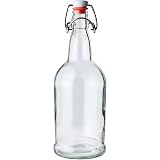
As you near the end of the bottle, pay close attention. Most beer bottles feature a slight “hump” or indentation at the shoulder, designed precisely to trap that final bit of sediment. The video brilliantly highlights this design feature. Stop pouring when you see the yeast layer begin to consolidate at the neck, leaving a small amount of liquid, usually about half an inch, in the bottle. Imagine if you were panning for gold and knew exactly where the impurities would collect; this is similar, but for clear beer!
The Unwanted Guests: Off-Flavors from Yeast Sediment
The video briefly touches upon “bready” off-flavors and cloudiness caused by pouring yeast sediment into your glass. However, the impact can be more far-reaching. While some beer styles (like certain Hefeweizens) are intentionally cloudy with suspended yeast, for most homebrews, a clear presentation is desired.
Beyond a bready or yeasty taste, introducing too much sediment can lead to other undesirable characteristics. One common issue is ‘autolysis,’ where dying yeast cells begin to break down, releasing compounds that can impart rubbery, meaty, or even sulfurous notes to the beer. This is particularly noticeable in aged beers where the yeast has been in contact with the beer for extended periods. Furthermore, yeast can absorb hop aromas, meaning a cloudy pour might actually diminish the intended hop character of an IPA or pale ale, leaving you with a duller, less vibrant flavor. A clean pour allows the true character of the brew to shine through.
Beyond the Bottle: Enhancing Your Homebrew Experience
While mastering how to pour homebrew is essential, several other factors contribute to a truly exceptional tasting experience. Consider your glassware, for example. Different beer styles are best enjoyed in specific glasses designed to enhance their aromas and presentation. A tulip glass for an IPA, a pint glass for an ale, or a stout glass for, well, a stout, can elevate your appreciation.
Also, resist the urge to swirl your beer vigorously like you might a glass of wine. Swirling can agitate any remaining sediment or even prematurely dissipate delicate aromatics. Instead, gently tilt and observe the beer’s color and clarity before taking a sip. Ultimately, patience and mindfulness are your greatest allies when enjoying homebrewed beer. Take a moment to appreciate the clarity, the aroma, and the effort that went into creating this unique beverage.
By following these simple guidelines on how to properly pour homebrewed beer, you honor the brewer’s craft and unlock the full potential of every bottle. Cheers to clear, delicious homebrew!
Pouring Perfection: Your Homebrew Questions Answered
Why is it important to pour homebrewed beer correctly?
Pouring homebrew correctly helps you fully taste the flavors the brewer intended and avoids disturbing the yeast sediment at the bottom of the bottle. This ensures a clearer and more enjoyable drinking experience.
Why should I chill homebrewed beer before pouring?
Chilling homebrew is crucial because cold temperatures help the yeast sediment settle firmly at the bottom of the bottle. It also prevents the beer from becoming overly foamy when poured.
What does ‘bottle conditioned’ mean for homebrew?
Bottle conditioned means the beer underwent a secondary fermentation directly in the bottle to create natural carbonation. This process naturally results in a harmless layer of yeast sediment at the bottom.
How do I pour homebrewed beer to avoid the yeast sediment?
To avoid sediment, pour slowly with your glass tilted at a 45-degree angle, then gradually straighten it as it fills. Stop pouring when you see the yeast layer collecting at the bottle’s neck, leaving a small amount of liquid behind.
What happens if I accidentally pour the yeast sediment into my glass?
Pouring the yeast sediment can make your beer cloudy and introduce unwanted ‘bready,’ ‘yeasty,’ or other off-flavors. It can also diminish the beer’s intended hop aromas, leading to a duller taste.