English Barleywine, a revered style among brewers, often starts with an impressive 8-9% ABV. However, its alcohol content can soar much higher, making it a true brewing challenge. The video above details one such journey: brewing an English Barleywine in a new home brewery using the Brewer’s Edge Mash & Boil 7.5 system. This detailed process involves meticulous steps, from water adjustment to precise fermentation control.
Crafting a beer of this magnitude requires careful planning. You’ll learn about specific malt choices, mash temperatures, and the art of fermentation management. It’s a journey into high-gravity brewing, perfect for those ready to elevate their homebrewing skills.
Brewing an English Barleywine: A Malty Marvel
English Barleywine is a complex beer. It boasts a rich, malty character. Its body ranges from medium to full. The color can be dark red to deep brown. Many descriptions mention caramel and dried fruit notes. These flavors evolve with age, too.
Key Characteristics of English Barleywine
This style is often called a “malty beast.” It is incredibly warming. It finishes with a pleasing sweetness. Imagine if you could bottle liquid warmth. That’s a good comparison. These beers are designed for cellaring. They improve with time. They are not quick beers to enjoy. They reward patience and careful storage.
- High ABV: Typically 8-12%, sometimes more.
- Malt-Forward: Dominated by rich, bready, and caramel notes.
- Full-Bodied: A luxurious, often chewy mouthfeel.
- Color: Dark amber to deep mahogany.
- Aging Potential: Flavors deepen and meld over months or years.
Water Chemistry for Superior Brewing
Great beer begins with great water. The video highlights adjusting local spring water. This step is crucial for an English Barleywine. It enhances specific flavors. It improves mash efficiency. It is not strictly necessary. However, it greatly elevates the final product.
Adjusting Your Water Profile
For this English Barleywine, several additions were made. Gypsum, calcium chloride, baking soda, and chalk were used. A little lactic acid also helped. Each ingredient serves a purpose. They balance the water’s mineral content. This creates the ideal environment for the mash and yeast.
- Gypsum (Calcium Sulfate): Enhances hop bitterness. It gives a drier finish.
- Calcium Chloride: Promotes maltiness. It adds body and smoothness.
- Baking Soda (Sodium Bicarbonate): Increases alkalinity. It raises mash pH. This is useful with dark malts.
- Chalk (Calcium Carbonate): Boosts alkalinity and calcium. It is less soluble than baking soda.
- Lactic Acid: Lowers mash pH. This ensures optimal enzyme activity.
Imagine if your water was perfect from the tap. Most homebrewers are not so lucky. Adjusting your water is a small step. Yet, it yields significant results. It fine-tunes your beer’s profile.
The Malt Bill: Foundation of Flavor
The grain bill provides the backbone. For this English Barleywine, it includes 87% Maris Otter. This is a traditional English base malt. It offers rich, bready flavors. It adds a biscuit-like complexity. The remaining 13% is split. 6.5% Crystal 40 and 6.5% Amber malt are included.
Understanding the Malt Contribution
Each malt plays a vital role. Crystal 40 adds caramel notes. It contributes sweetness and color. Amber malt provides a toasty character. It also adds more depth to the color. This blend aims for an original gravity of about 1085. This high gravity ensures a robust and full-bodied beer.
- Maris Otter: A quintessential English base. It’s known for its rich, malty flavor. It supports complex specialty malts.
- Crystal 40: Adds caramel, toffee, and toasted sugar notes. It also contributes to the beer’s body and mouthfeel.
- Amber Malt: Offers biscuit, nutty, and toasty flavors. It can intensify the color.
This specific combination is not arbitrary. It’s designed to achieve a specific flavor profile. It creates a classic English Barleywine. The resulting beer is complex and satisfying.
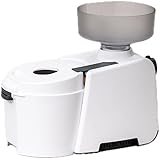
Mashing on the Brewer’s Edge Mash & Boil 7.5
The Mash & Boil system simplifies brewing. Its 7.5-gallon capacity is generous. It easily accommodated the large grain bill. A single infusion mash was performed. The target temperature was 152°F (67°C). The system was set to 160°F to compensate for heat loss. This temperature ensures active beta-amylase enzymes. These enzymes break down starches. They create fermentable sugars. This is key for a high-ABV beer.
Optimizing the Mash Process
Mashing takes an hour. The video shows recirculating the wort. This is done to clear it up. The integrated pump on the Mash & Boil is excellent for this. It is incredibly convenient. Recirculation also helps with mash efficiency. It ensures consistent temperatures throughout the grain bed. Imagine if you had to set up external pumps. The integrated pump makes this process effortless.
The “no sparge” method was used. This means the grains are simply lifted. No additional hot water rinses are performed. This saves time. It simplifies the process. However, it can slightly reduce efficiency. It is a trade-off many homebrewers embrace for convenience.
Building Your Home Brewery Space
Setting up a dedicated brewing space is exciting. The video shows a garage transformation. It went from a “dumping ground” to a functional brewery. This DIY project enhances the brewing experience. It provides an organized and efficient area.
Key Steps for Brewery Construction
The first step was clearing the space. Then, walls were prepped for sheeting. Old nails and screws were removed. Clean studs are essential for secure attachment. Quarter-inch plywood sheets were used. They matched the wall height perfectly. A new brad nailer sped up the process. This tool is a time-saver for such projects.
- Clear the Space: Remove all clutter.
- Prep Walls: Clean studs, remove obstacles.
- Apply Sheeting: Use plywood for a durable surface.
- Integrate Storage: Install pegboards for tools.
- Organize: Arrange equipment for workflow.
An integrated pegboard was a standout feature. It was placed above the work table. This provides accessible tool storage. Imagine if your tools were always within reach. This boosts efficiency. It keeps the space tidy. Such thoughtful design details make a difference.
Boiling and Hop Additions
After mashing, the wort is brought to a boil. This sterilizes the liquid. It also isomerizes hop acids. This contributes bitterness. The Brewer’s Edge Mash & Boil heats quickly. Once at a full boil, hop additions begin.
Hop Schedule and Clarification
The first hop addition was 1 ounce of Galaxy hops. This happened at 60 minutes. Galaxy hops are known for their fruity aroma. At 60 minutes, they primarily contribute bitterness. With 15 minutes left, 10 grams of Galaxy hops were added. This late addition boosts flavor and aroma. A Whirlfloc tablet was also added. Whirlfloc aids in clarifying the beer. It helps proteins drop out during chilling.
An immersion chiller was then placed in the wort. This sanitizes it before chilling. It ensures a quick and efficient cool down. Rapid chilling is vital. It prevents the formation of off-flavors. It also reduces the risk of infection.
Fermentation: The Anvil Bucket Fermenter
Fermentation is where the magic happens. The cooled wort is transferred. It goes into a 4-gallon Anvil bucket fermenter. This fermenter is highly regarded. Its design allows for easy cleaning. It facilitates temperature control. The fermenter was paired with an optional cooling system. This system is crucial for a stable fermentation. Consistent temperature prevents off-flavors.
Setting Up the Cooling System
The cooling system involves a pump. A bucket of chilled water provides the cooling medium. This setup maintains a precise 65°F (18°C) fermentation temperature. This is ideal for California Ale Yeast. This yeast strain produces clean flavors. It allows the malt character to shine. Imagine if your fermentation temperature always fluctuated. Your beer would suffer. This system offers precise control. It ensures a high-quality product.
- Chilled Water Source: A bucket of water, often from a Kegerator.
- Pump and Tubing: Circulates cold water through a stainless coil.
- Stainless Coil: Submerged in the fermenter, exchanging heat.
- Temperature Controller: Monitors and maintains the set temperature.
A 1-liter yeast starter was prepared. Two packs of White Labs California Ale Yeast were used. A healthy yeast pitch is paramount. It ensures a vigorous fermentation. It contributes to a clean finished beer. The fermenter was placed near a Kegerator. This provides easy access to chilling water. This integrated approach optimizes the entire process.
The journey concludes with the beer quietly fermenting. The cooling system works its magic. The promise of an aged English Barleywine awaits. This English Barleywine, a true labor of love, will develop character over time. It represents a significant step in advanced homebrewing.
Boil Down Your Barleywine Questions
What is an English Barleywine?
English Barleywine is a strong, malty beer with a rich flavor, often described as having caramel and dried fruit notes. It typically has a high alcohol content, ranging from 8-12% ABV, and is designed to improve with age.
Why is adjusting brewing water important?
Adjusting your water profile helps enhance specific flavors in the beer, improves mash efficiency, and creates an ideal environment for the mash and yeast to work effectively.
What is the Brewer’s Edge Mash & Boil 7.5?
The Brewer’s Edge Mash & Boil 7.5 is a homebrewing system that combines the mashing and boiling steps into one unit. It simplifies the brewing process, especially for larger grain bills.
What are the main types of malt used in this English Barleywine recipe?
The main malts used are Maris Otter, which is a traditional English base malt providing rich, bready flavors, along with Crystal 40 and Amber malts for caramel and toasty notes.
Why is controlling the fermentation temperature important for beer?
Maintaining a consistent fermentation temperature is crucial because it prevents the formation of off-flavors and ensures the yeast produces clean, desirable characteristics in the finished beer.