The quest for the perfect cup of coffee often begins right in our own kitchens. While the accompanying video above may provide initial insights, truly mastering the art of home brewing coffee involves understanding several critical variables and techniques. This comprehensive guide will equip you with the knowledge needed to consistently brew coffee at home that rivals your favorite café experience.
Achieving exceptional results with home brewing coffee requires careful attention to detail throughout the entire process. From selecting the finest beans to mastering the intricacies of extraction, each step significantly influences the final taste in your mug. Consequently, we will delve into the science and artistry behind crafting a truly remarkable cup.
The Foundation of Exceptional Home Brewing Coffee
The journey towards an outstanding cup of home brewing coffee fundamentally begins with understanding its core components. Superior ingredients establish the baseline for any successful brew, influencing flavor, aroma, and overall enjoyment. Therefore, prioritizing quality at this initial stage is absolutely paramount.
Selecting Superior Coffee Beans
The quality of your coffee beans represents the single most important factor in your home brewing coffee endeavors. Always opt for freshly roasted whole beans, ideally purchased within a week or two of their roast date. Look for single-origin beans or thoughtfully crafted blends from reputable roasters, as these often provide transparent sourcing information.
Furthermore, consider the roast level that best suits your palate and brewing method. Lighter roasts tend to highlight intricate floral and fruity notes, while darker roasts often yield richer, bolder, and more chocolatey profiles. Ultimately, experimenting with different origins and roast levels will help you discover your personal preferences for brewing coffee at home.
The Critical Role of Water Quality
Water constitutes over 98% of your finished coffee, making its quality undeniably crucial. Tap water containing excessive chlorine or mineral content can significantly detract from your coffee’s flavor, often imparting unpleasant tastes. Consequently, investing in filtered water or bottled spring water is a highly recommended practice for consistent results.
Ideal brewing water should possess a neutral pH and a moderate mineral content, specifically around 150 parts per million (PPM) total dissolved solids (TDS). This balance allows for optimal flavor extraction without introducing off-notes or hindering the brewing process. Therefore, thoughtful water selection greatly enhances your home brewing coffee experience.
Precision Grinding: Unlocking Flavor Potential
Grinding your coffee beans just before brewing is a non-negotiable step for maximizing flavor and aroma. Pre-ground coffee rapidly loses its volatile aromatic compounds, resulting in a stale and diminished taste. A quality burr grinder ensures uniform particle size, which is essential for consistent and even extraction during the coffee brewing process.
The grind size must also match your chosen brewing method precisely. For instance, a coarse grind suits a French press, allowing for extended immersion without over-extraction and bitterness. Conversely, a finer grind is necessary for pour-overs to facilitate proper contact time with the water. Understanding these nuances significantly improves your brew coffee at home outcomes.
Essential Equipment for Your Home Coffee Bar
Having the right tools significantly elevates your home brewing coffee capabilities, moving beyond basic functionality to precise control. While a simple setup can produce enjoyable coffee, dedicated equipment allows for greater consistency and exploration of diverse flavors. Therefore, investing wisely in your coffee gear is a worthwhile endeavor.
Grinders: Blade vs. Burr
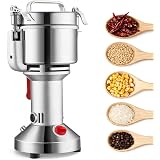
A burr grinder is an indispensable tool for serious home brewing coffee enthusiasts. Unlike blade grinders, which merely chop beans inconsistently, burr grinders crush them between abrasive surfaces, producing uniform particles. This uniformity is vital for even extraction, preventing both under-extraction (sourness) and over-extraction (bitterness).
Burr grinders come in two main types: conical and flat. Both offer superior performance compared to blade grinders, providing adjustable settings for various brewing methods. Consequently, upgrading to a quality burr grinder represents one of the most impactful improvements you can make to your coffee brewing setup.
Kettles: Temperature Control is Key
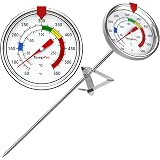
Precise water temperature profoundly influences the extraction of flavors and aromas from your coffee grounds. An ideal brewing temperature range typically falls between 195°F and 205°F (90°C and 96°C). Boiling water can scald the coffee, leading to bitterness, while water that is too cool results in under-extracted, weak coffee.
A gooseneck kettle with temperature control capabilities is particularly beneficial for pour-over methods, allowing for precise pouring and consistent water application. This level of control empowers you to fine-tune your home brewing coffee technique, ensuring optimal flavor development with every cup. Moreover, it enhances the overall consistency of your brews.
Scales and Timers: Consistency Reigns Supreme
For consistent and reproducible home brewing coffee, a digital scale and a timer are absolutely essential. Measuring ingredients by volume can be highly inconsistent due to variations in bean density and grind size. Conversely, weighing your coffee grounds and water ensures precise ratios every time, eliminating guesswork from the process.
Timing the brew is equally crucial, as it directly impacts the extraction rate. Different brewing methods require specific contact times for optimal flavor development. Using a timer allows you to replicate successful recipes and adjust variables systematically, thereby mastering your brew coffee at home routine.
Exploring Popular Coffee Brewing Methods at Home
The world of home brewing coffee offers a delightful array of methods, each capable of highlighting different characteristics of the bean. Exploring these various techniques broadens your understanding of flavor profiles and brewing dynamics. Therefore, consider experimenting beyond your current preferred method to discover new favorites.
Mastering the Pour-Over Technique
The pour-over method, exemplified by devices like the Hario V60 or Chemex, produces a clean, bright, and nuanced cup of coffee. It involves slowly pouring hot water over coffee grounds in a filter, allowing gravity to draw the infused water through. This technique demands precision and patience, rewarding the brewer with exceptional clarity of flavor.
Key steps include a controlled bloom phase to release gases, followed by slow, concentric pours to ensure even extraction. The delicate nature of pour-over brewing means that grind size, water temperature, and pour rate profoundly affect the outcome. Consequently, mastering this method significantly elevates your coffee brewing skill set.
The Robustness of French Press Coffee
The French press offers a full-bodied, rich, and often sediment-heavy cup of coffee, celebrated for its immersive brewing style. This method involves steeping coarse-ground coffee in hot water for several minutes before plunging a mesh filter to separate the grounds. The longer contact time allows for a more complete extraction of oils and solids, contributing to its signature mouthfeel.
Maintaining the correct grind size is paramount for French press home brewing coffee; too fine, and you risk a muddy cup and difficult plunging. Furthermore, a proper brewing time, typically four minutes, balances extraction without leading to excessive bitterness. This straightforward method delivers a deeply satisfying coffee experience.
The Versatility of AeroPress Brewing
The AeroPress stands out for its speed, portability, and remarkable versatility, capable of producing anything from espresso-style concentrates to full-bodied filter coffee. This device uses air pressure to force hot water through a bed of coffee grounds and a paper filter. Its rapid brewing time often results in a clean cup with low acidity.
Brewers can experiment extensively with grind size, water temperature, and immersion time to achieve various flavor profiles. The AeroPress is particularly forgiving, making it an excellent option for both beginners and experienced enthusiasts seeking flexibility in their home brewing coffee routine. Its compact design also makes it ideal for travel.
Advanced Tips for Elevating Your Coffee Brewing Experience
Once you have a solid grasp of the fundamentals, several advanced techniques can further refine your home brewing coffee skills. These nuanced adjustments allow for greater control over extraction, enhancing specific flavor notes and consistency. Therefore, integrating these tips will push your coffee quality to new heights.
Understanding Coffee to Water Ratios
The “golden ratio” for coffee brewing generally suggests 1 part coffee to 15-18 parts water by weight. For example, using 20 grams of coffee would require 300-360 grams of water. This precise measurement ensures a balanced extraction and prevents your coffee from being too weak or overly strong.
However, personal preference plays a significant role in this ratio; some individuals prefer a stronger brew, while others favor a lighter one. Adjusting this ratio incrementally allows you to fine-tune the strength and intensity of your brew coffee at home. Consequently, consistent ratios are foundational to reproducible results.
The Art of the Bloom and Extraction
The bloom phase is a crucial initial step in most pour-over and drip home brewing coffee methods. During this stage, you saturate the coffee grounds with a small amount of hot water (typically twice the weight of the coffee) and allow it to sit for 30-45 seconds. This process, known as “off-gassing,” releases trapped carbon dioxide from the freshly roasted beans.
Proper blooming prevents channeling during subsequent pours, ensuring a more even and thorough extraction of flavors. Uneven extraction can lead to a combination of bitter and sour notes in the same cup. Understanding and controlling the bloom significantly improves the overall quality of your coffee brewing endeavors.
Optimal Storage for Freshness
Proper storage is vital for preserving the freshness and flavor of your coffee beans. Air, moisture, heat, and light are the primary enemies of coffee, causing rapid degradation of its aromatic compounds. Therefore, always store whole coffee beans in an opaque, airtight container at room temperature, away from direct sunlight.
Avoid storing coffee in the refrigerator or freezer for daily use, as temperature fluctuations and moisture can damage the beans. For long-term storage (several weeks), freezing can be an option, but ensure beans are in a vacuum-sealed bag to prevent freezer burn and absorption of odors. Consequently, thoughtful storage protects your investment in quality beans for home brewing coffee.
Troubleshooting Common Home Brewing Challenges
Even experienced baristas encounter occasional issues when attempting to brew coffee at home. Identifying the root cause of off-flavors or inconsistencies is key to improving your technique and enjoying consistently excellent coffee. Furthermore, understanding common problems empowers you to make informed adjustments.
Why Does My Coffee Taste Bitter?
Bitterness in home brewing coffee often indicates over-extraction, meaning too many undesirable compounds have been pulled from the grounds. Common causes include a grind that is too fine, water that is too hot, or a brewing time that is excessively long. Consequently, addressing these variables can significantly improve your coffee’s taste.
Try making one adjustment at a time, such as using a slightly coarser grind or reducing your brewing time by 30 seconds. Additionally, ensure your equipment is clean; leftover oils and residue can also impart bitter notes. Therefore, systematic troubleshooting is essential for refining your coffee brewing process.
Addressing Sour or Under-Extracted Coffee
Conversely, a sour or weak taste in your home brewing coffee typically signals under-extraction. This occurs when not enough desirable compounds are extracted from the coffee grounds. Potential culprits include a grind that is too coarse, water that is too cool, an insufficient brewing time, or too little coffee for the amount of water.
To remedy this, try adjusting your grind to be slightly finer, increasing your water temperature within the ideal range, or extending your brewing time. Ensuring a proper coffee-to-water ratio also addresses this issue. Therefore, carefully controlling these factors will help you achieve a balanced and flavorful cup when you brew coffee at home.
Maintaining Your Coffee Equipment
Regular cleaning and maintenance of your home brewing coffee equipment are vital for preserving optimal flavor and hygiene. Coffee oils and mineral deposits can accumulate over time, leading to off-flavors and reduced performance. Consequently, a clean machine is fundamental to delicious coffee.
Rinse your brewing devices thoroughly after each use, and deep clean them periodically with appropriate cleaning solutions designed for coffee equipment. Descaling kettles and coffee makers also prevents mineral buildup, ensuring efficient heating and proper water flow. Therefore, diligent maintenance ensures your coffee brewing setup remains in peak condition, allowing you to consistently produce exceptional coffee at home.
Pouring Out Answers: Your Home Brewing Q&A
What are the most important things for making good coffee at home?
The foundation of great home-brewed coffee relies on superior ingredients. This means using freshly roasted whole coffee beans and high-quality filtered water.
Why should I grind my coffee beans right before brewing?
Grinding your coffee beans just before brewing is essential for maximizing flavor and aroma. Pre-ground coffee quickly loses its volatile compounds, leading to a stale taste.
What kind of grinder is best for brewing coffee at home?
A burr grinder is highly recommended because it crushes beans into uniform particles. This consistency is vital for even extraction and a better-tasting cup of coffee.
Why is water temperature important when brewing coffee?
Precise water temperature significantly influences flavor extraction. The ideal range is typically 195°F to 205°F, as water that is too hot can make coffee bitter, and water that is too cool results in weak coffee.
Why does my home-brewed coffee sometimes taste bitter?
Bitterness usually indicates over-extraction, which means too many undesirable compounds were pulled from the grounds. Common causes include a grind that is too fine, water that is too hot, or brewing for too long.