If you’re among the millions who cherish a quality cup of coffee each morning but find your daily cafe visits draining your wallet, then you’re in for a treat. The good news, as shared in the video above, is that establishing a fantastic beginner home coffee setup doesn’t have to be intimidating or expensive. In fact, many coffee enthusiasts report significant savings and a newfound appreciation for their morning ritual after taking the plunge into home brewing. It’s not just about cutting costs; it’s about crafting a personalized experience, exploring new flavors, and engaging with a rewarding hobby right from your kitchen.
Embarking on this journey doesn’t require a top-of-the-line espresso machine or an arsenal of obscure gadgets. The speaker correctly highlights that the true secret lies in a few foundational pieces of equipment and, perhaps surprisingly, a commitment to simplicity. You can achieve incredible results and consistently delicious coffee without getting bogged down in endless technicalities. This guide will expand on the video’s essential insights, helping you navigate the world of home coffee brewing with confidence and clarity, ensuring your first foray is both enjoyable and successful.
Building Your Foundational Beginner Home Coffee Setup
Every exceptional cup of coffee, regardless of the brewing method, starts with two critical components: a quality grinder and a suitable brewer. These are the cornerstones of your beginner home coffee setup, and investing wisely here will dramatically impact your coffee’s flavor profile. Think of them as the engine and transmission of a car; if either falters, the whole experience is compromised. Neglecting these fundamentals can lead to inconsistent results and frustrating mornings, pushing you back to the cafe.
The beauty of starting simple is that you can build upon these basics as your interest grows. Rather than overwhelming yourself with every possible option, focusing on these two elements first provides a solid foundation. The journey of coffee exploration is vast and rewarding, but it truly begins with understanding and selecting these core pieces of equipment. Let’s delve into why these elements are so crucial and how to choose the right ones for your unique needs and budget.
The Unsung Hero: A High-Quality Burr Grinder
The video emphasizes the paramount importance of a high-quality burr grinder, and this cannot be overstated. A uniform grind size is the single most critical factor, aside from fresh beans, for achieving consistent extraction and a balanced cup. Imagine trying to bake cookies with some flour lumps the size of pebbles and others as fine as powder; the result would be an unevenly cooked mess. Similarly, an inconsistent coffee grind leads to some particles being over-extracted (bitter flavors) and others under-extracted (sour or weak flavors) simultaneously, creating a muddy and undesirable taste profile.
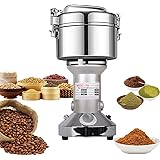
Unlike blade grinders, which merely chop coffee beans into irregular fragments, burr grinders crush them between two abrasive surfaces, producing a much more consistent particle size. The video aptly compares a cheap blade grinder to watching 4K content on a low-resolution screen; the input might be good, but the output is compromised. This uniform grind allows water to extract soluble compounds from the coffee particles evenly, resulting in a cleaner, more flavorful, and predictable brew every time. Investing in a good burr grinder is perhaps the most significant upgrade you can make to your home coffee game.
Choosing Your Ideal Burr Grinder: Versatility vs. Value
When selecting a burr grinder for your beginner home coffee setup, the speaker highlights two main considerations: versatility and portability. Grinders that can handle everything from fine espresso grinds to coarse cold brew grinds, such as the Malkona Gets 54, Niche Zero, or Eureka Oro Mignon, typically command a higher price tag. These machines offer precision and a vast range of settings, making them ideal for those who plan to experiment with multiple brewing methods from the outset. Their robust construction and consistent performance justify the investment for serious enthusiasts.
However, as the video notes, there’s been an exciting surge in quality grinders under $300, and even some less than $200, that offer impressive versatility within reason. Models like the Baratza ESP, Fellow Opus, and Turin SD40 provide excellent value, delivering a grind quality suitable for most popular brewing methods without breaking the bank. For those primarily focused on drip or pour-over, a middle-of-the-road option like the Baratza Encore offers reliable performance, though it may not be precise enough for demanding espresso machines. Understanding your primary brewing intentions will guide you toward the best choice for your budget.
The Portable Powerhouses: Hand Grinders
For coffee lovers on the move or those seeking a cost-effective path to quality, hand grinders present an excellent alternative. These manual devices, ranging from $80 to $150, offer remarkable grind consistency and a wide range of settings comparable to some electric models. The Time War C2, Kin Grinder K2, and the JX or JX Pro from 1ZPRESSO are notable examples that provide exceptional value. Their compact size makes them perfect for travel, camping, or simply conserving counter space in a smaller kitchen.
While they require a bit of manual effort, the tactile experience of hand grinding can be quite satisfying, adding a mindful element to your morning routine. Moreover, the lack of a motor means they operate quietly, a significant benefit for early risers who don’t want to wake the household. For a beginner home coffee setup, a high-quality hand grinder can be a superb starting point, offering superb grind quality at a fraction of the price of their electric counterparts and opening up possibilities for brewing anywhere.
Selecting Your First Coffee Brewer: Simplicity is Key
Once you’ve secured a reliable grinder, the next step in your beginner home coffee setup is choosing a brewer. The market is saturated with options, from automated machines to intricate manual setups. While popular choices like the V60 and French press are excellent, the video wisely steers beginners towards simpler, more forgiving alternatives: the Gem Dripper or the Clever Dripper. These brewers are designed to minimize variables, making it easier for newcomers to achieve a consistently good cup without mastering complex techniques.
The Gem Dripper, with its central pouring guide, simplifies the pour-over process, ensuring even water distribution without requiring a gooseneck kettle or precise pouring technique. The Clever Dripper, an immersion brewer, combines the best aspects of pour-over and French press. You simply add coffee and water, let it steep for a few minutes, and then place it on your cup to release the brew. Both options deliver coffee with excellent acidity, body, and sweetness, rivaling more technically demanding methods, thus offering a stress-free entry into quality home brewing.
Beyond the Basics: Enhancing Your Coffee Experience
With a quality burr grinder and a user-friendly brewer in place, your beginner home coffee setup is already capable of producing truly delightful coffee. However, as your passion grows, you might consider adding a few “honorable mentions” that, while not strictly essential, can significantly elevate your brewing precision and consistency. Think of these as upgrades that move you from reliably good coffee to consistently exceptional coffee, allowing for greater control and replicability in your daily ritual.
These optional accessories cater to different levels of engagement and specific brewing methods. While the video reiterates that you don’t need them immediately, understanding their purpose can help you decide when and if to integrate them into your routine. They represent the next logical step for those who enjoy the meticulous aspects of coffee preparation and wish to fine-tune every variable to chase that perfect cup. Prioritizing these thoughtful additions can lead to even greater satisfaction from your home brewing endeavors.
The Precision of a Coffee Scale
A digital coffee scale is akin to a measuring cup in baking; while you might get lucky by eyeballing ingredients, replicating a perfect cookie consistently is nearly impossible without precise measurements. The same principle applies to coffee. Brewing by weight, rather than volume, ensures that you’re always using the same coffee-to-water ratio, which is crucial for consistency. Without a scale, your “scoop” of coffee or “amount” of water can vary significantly day-to-day, leading to unpredictable results.
High-end scales like those from Acaia or Brewista offer advanced features, but there are numerous affordable and reliable options available on Amazon for around $20. A basic kitchen scale that measures in grams will suffice for most beginners. By consistently measuring your coffee beans and the water you add, you gain a foundational understanding of how ratio impacts flavor, making it easier to adjust and replicate your favorite brews. This simple tool demystifies the brewing process and empowers you to take control.
The Art of the Pour: A Gooseneck Kettle
For brewing methods like pour-over, where controlled water flow is paramount, a gooseneck kettle can be a game-changer. Its slender, curved spout allows for a precise, even, and consistent pour, which is essential for properly saturating the coffee grounds. Uneven pouring can create “dry spots” in the coffee bed, leading to under-extraction and a weaker, less flavorful cup. It’s like trying to paint a detailed picture with a broad house brush; you need the right tool for the delicate work.
However, as the video rightly points out, a gooseneck kettle isn’t necessary for all brewing methods. Immersion brewers like the Clever Dripper, Aeropress, French press, Tricolator, or Moka Pot don’t require controlled pouring, as the coffee is fully submerged in water. If you’re primarily using these types of brewers, you can hold off on this purchase or opt for a simple, inexpensive electric kettle. For pour-over enthusiasts, though, a gooseneck kettle, even a basic $20 model, offers significant benefits in terms of control and extraction quality.
The True Secret: Embracing Simplicity and Quality Beans
The profound secret shared in the video is “ignorance”—not in a negative sense, but as an embrace of simplicity. In a world overflowing with information, it’s easy to overcomplicate things that are meant to be enjoyed for their inherent beauty. When starting your beginner home coffee setup, resist the urge to chase the latest trends, master every technique, or buy every accessory. Instead, focus on the fundamental joy of brewing and savoring a good cup of coffee.
The speaker’s personal anecdote of using one simple recipe for an entire year and loving it perfectly illustrates this philosophy. The most impactful step you can take is to start by buying high-quality, freshly roasted specialty coffee beans. Visit a local specialty coffee roaster, where staff can guide you to beans that match your taste preferences and even grind them for you initially if you’re still waiting for your burr grinder. Supporting local businesses and enjoying coffee that was roasted just days ago will instantly elevate your home brewing experience far beyond any fancy equipment.
Dialing In Your Answers: Home Coffee Setup Q&A
Why should I start making coffee at home?
Making coffee at home can save you money compared to daily cafe visits and allows you to craft a personalized coffee experience. It’s a rewarding hobby that lets you explore new flavors right from your kitchen.
What are the most important pieces of equipment for a beginner home coffee setup?
The two most critical components for any beginner home coffee setup are a quality burr grinder and a suitable coffee brewer. These foundational pieces significantly impact the flavor of your coffee.
Why is a burr grinder better than a regular blade grinder for coffee?
A burr grinder crushes coffee beans into a consistent particle size, which is essential for even extraction and a balanced cup. Blade grinders, conversely, chop beans unevenly, leading to inconsistent and muddy flavors.
What kind of coffee brewer is good for someone just starting out?
For beginners, simple and forgiving brewers like the Gem Dripper or the Clever Dripper are recommended. They help minimize variables and make it easier to consistently brew a good cup of coffee.
Do I need a lot of expensive equipment to make good coffee at home?
No, you don’t need expensive equipment. The article emphasizes embracing simplicity and focusing on a few foundational pieces like a good burr grinder and a simple brewer, along with fresh, quality beans.