Making your own beer can be a straightforward process. Many aspiring brewers are deterred by perceived complexities, much like the individual in the accompanying video. However, **extract brewing** offers a highly accessible entry point into the world of homebrewing, simplifying critical initial steps. This method is often recommended for those starting their **homebrewing** journey.
Understanding Extract Brewing Fundamentals
The foundation of any beer lies in its wort. Wort is a sugary liquid that yeast later ferments. In traditional all-grain methods, this wort production is quite involved. Conversely, extract brewing streamlines this process significantly. Malt extract is utilized as the primary sugar source. This pre-processed ingredient eliminates several complex steps.
What is Malt Extract?
Malt extract is derived from malted barley. It is essentially concentrated wort. The grain is mashed, filtered, and then reduced. This reduction removes much of the water content. The result is a thick syrup, known as Liquid Malt Extract (LME). Alternatively, it can be dried further into a powder, becoming Dry Malt Extract (DME). Both forms are rich in fermentable sugars. These sugars are vital for yeast activity.
Extract Versus All-Grain Brewing: A Core Distinction
The primary difference between extract and all-grain brewing lies in wort creation. All-grain brewing involves starting with whole malted grains. These grains are steeped in hot water. This process is called mashing. During mashing, grain enzymes convert starches into fermentable sugars. The resulting sugary liquid is then separated. This separation is achieved through sparging and lautering. Both steps require specific equipment. They also demand precise temperature control. Subsequently, the wort is boiled with hops. This entire sequence is often daunting for beginners.
In contrast, extract brewing bypasses mashing and lautering entirely. The malt extract already contains these sugars. Thus, it only needs to be dissolved in water. This simplified approach reduces equipment needs. It also shortens the brew day considerably. The risk of errors associated with enzymatic conversion is also eliminated. Therefore, extract brewing serves as an excellent foundation.
The Simplified Extract Brewing Process
The simplicity of extract brewing makes it appealing. A basic sequence of steps is followed. Each step is critical for a successful brew. Proper execution is paramount.
Preparation and Sanitation
Prior to brewing, all equipment must be sanitized. This step cannot be overstated. Unwanted bacteria or wild yeast can ruin a batch. A common sanitizer is star san. It is mixed with water. All surfaces contacting the wort must be cleaned. This includes kettles, fermenters, and stirring spoons. Sanitation ensures a clean fermentation. It protects the beer’s flavor profile.
Wort Creation and the Boil
Fresh water is heated in a large pot. This vessel is often called a boil kettle. A portion of the malt extract is added. This forms the initial wort. Some brewers use only a partial volume of water initially. This allows for a more vigorous boil. The remaining water is added later. Once the wort reaches a boil, hops are introduced. Hops contribute bitterness and aroma. Bittering hops are added early in the boil. They typically boil for 60 minutes. Aroma hops are added later. They steep for shorter periods. This preserves their delicate fragrance. Other ingredients might also be added. These include specialty grains or clarifying agents. The boil sterilizes the wort. It isomerizes hop acids. It also concentrates the sugars.
Cooling and Fermentation
After the boil, the wort must be cooled quickly. This is often done using an immersion chiller. A wort chiller rapidly brings down the temperature. Prompt cooling minimizes contamination risks. It also prevents off-flavors. Once cooled to the correct temperature, yeast is introduced. This process is called pitching. The yeast begins its work. It converts sugars into alcohol and carbon dioxide. The cooled wort is transferred to a fermenter. An airlock is then fitted. This allows CO2 to escape. It also prevents air from entering. Fermentation typically lasts one to two weeks. Temperature control during this phase is crucial.
Packaging Your Brew
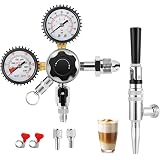
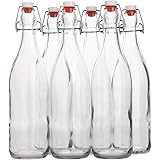
Upon completion of fermentation, the beer is ready for packaging. This usually involves bottling or kegging. If bottling, a small amount of priming sugar is added. This sugar undergoes secondary fermentation in the bottle. It creates natural carbonation. Bottles must be thoroughly cleaned and sanitized. If kegging, forced carbonation is often employed. The beer is transferred into a keg. CO2 is then introduced under pressure. Regardless of the method, proper technique ensures a quality finished product. The finished beer requires conditioning. This allows flavors to mature.
Advantages for the Beginner Brewer
Choosing **extract brewing** offers numerous benefits. These advantages are particularly significant for new enthusiasts. They help build confidence and skill.
Reduced Equipment Investment
Starting with extract requires less specialized equipment. A large boil kettle is essential. A fermentation vessel, airlock, and basic sanitation supplies are also needed. Unlike all-grain, expensive grain mills are not required. Mash tun setups are also unnecessary. This lower entry cost makes **homebrewing** more accessible. It removes a significant barrier to entry for many.
Shorter Brew Days and Simpler Process
Brew day duration is significantly reduced. The absence of mashing and sparging saves hours. A typical extract brew day might last 2-3 hours. An all-grain brew day often takes 5-6 hours or more. This condensed timeline allows for greater flexibility. It fits easily into busy schedules. The simplified steps also reduce the potential for errors. This contributes to higher success rates for beginners.
Focus on Critical Brewing Principles
Extract brewing allows brewers to concentrate on fundamental aspects. Sanitation remains paramount. Understanding fermentation dynamics is crucial. Temperature control during fermentation is vital. Proper yeast pitching is also key. These elements are essential regardless of the brewing method. Mastering them with extract sets a strong foundation. It prepares brewers for future complexity. These critical skills are transferable.
Key Considerations for Success in Extract Brewing
Even with its simplicity, certain practices enhance success. Adhering to these principles ensures better beer. Consistency is a reward of attention to detail.
The Imperative of Sanitation
Sanitation is often cited as the most important step. Any unsanitized surface can introduce contaminants. These can lead to off-flavors. They can even spoil an entire batch. Always clean and sanitize thoroughly. This includes fermenters, tubing, and bottling equipment. A robust cleaning regimen pays dividends.
Temperature Control During Fermentation
Yeast health is directly impacted by temperature. Each yeast strain has an optimal fermentation range. Deviations can cause stress. Stressed yeast produces undesirable flavors. These are often described as fusel alcohols. They can also create excessive esters. Maintaining a stable temperature is critical. Fermentation chambers or simple water baths can assist. Consistent temperatures yield cleaner flavors.
Accurate Hydrometer Readings
A hydrometer measures sugar density. It tracks fermentation progress. An initial reading (Original Gravity) is taken. This establishes the wort’s sugar content. A final reading (Final Gravity) is taken later. This confirms fermentation completion. It also allows for alcohol content calculation. Accurate readings provide valuable data. They help ensure proper attenuation.
The journey into **homebrewing** can begin with confidence. **Extract brewing** provides a solid, forgiving pathway. It empowers new brewers to create their own delicious beers. Many individuals, like the speaker in the video, found comfort and success starting with an extract kit.
Pouring Over Your First Homebrew: Questions & Answers
What is extract brewing?
Extract brewing is a beginner-friendly method of making beer at home that uses pre-made malt extract, simplifying the initial steps of creating the sugary liquid for fermentation.
What is malt extract?
Malt extract is a concentrated form of wort, made from malted barley, that provides the necessary fermentable sugars for yeast to produce alcohol during the brewing process. It comes as a thick syrup (LME) or a powder (DME).
Why is extract brewing recommended for beginners?
Extract brewing is ideal for beginners because it requires less specialized equipment, significantly shortens the brew day by skipping complex steps like mashing, and helps focus on essential brewing principles.
What is the most important step in homebrewing for beginners?
Sanitation is the most crucial step. Thoroughly cleaning and sanitizing all equipment prevents unwanted bacteria or wild yeast from contaminating your brew, which can ruin the beer’s flavor.