The journey into homebrewing presents an exciting venture. Many enthusiasts are drawn to the craft. Indeed, industry reports indicate a significant rise in homebrewing participation over recent years. As observed in the accompanying video, acquiring the correct homebrewing equipment is foundational. This guide delves deeper into these essential tools. We explore the nuanced reasons behind specific choices. Understanding these technical details elevates one’s brewing prowess.
Essential Homebrewing Equipment: The Boiling Vessel
A high-quality brewpot stands as a cornerstone of the home brewery. The video highlights a five-gallon stainless steel pot. This capacity typically accommodates three to four gallons of wort boil. Stainless steel is the preferred material for several compelling reasons. Its inert properties prevent chemical reactions with the wort. This ensures no metallic off-flavors are imparted to the final product. Aluminum, conversely, can react with acidic wort. Such reactions often lead to undesirable flavors and potential pitting of the vessel.
Furthermore, stainless steel offers superior thermal conductivity. This characteristic promotes even heat distribution. Precise temperature control becomes achievable during the boil. Cleanliness is also paramount; stainless steel resists scratching. This makes sanitization procedures highly effective. A seven-and-a-half-gallon pot provides ample headroom. This prevents boil-overs, ensuring a safer brewing experience. Investing in robust homebrewing equipment like a stainless steel brewpot is critical.
Primary Fermentation: The Foundation of Flavor Development
Following the boil, the wort undergoes primary fermentation. A seven-gallon food-grade plastic fermenter is commonly recommended. This vessel provides adequate space for active fermentation. Yeast, a living organism, requires a sterile environment to thrive. The plastic material must be designated as food-grade. This specification ensures no harmful chemicals leach into the fermenting beer. The fermenter typically includes a pre-installed spigot. This feature simplifies liquid transfer processes significantly. It minimizes agitation and potential oxidation.
The lid of the fermenter features a pre-drilled hole. A rubber grommet securely seals this opening. An airlock fits into this grommet. This assembly forms a crucial part of the homebrewing equipment setup. The airlock allows carbon dioxide to escape. Simultaneously, it prevents ambient air from entering the fermenter. This safeguard protects the developing beer from wild yeasts and bacteria. Maintaining sterility throughout primary fermentation is absolutely essential. It directly impacts the beer’s quality and stability.
Secondary Fermentation and the Art of Transferring Wort
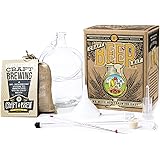
After primary fermentation concludes, many brewers opt for secondary fermentation. This involves transferring the beer to a secondary vessel. A glass carboy is the traditional choice for this stage. During primary fermentation, yeast consumes sugars. It then flocculates, settling at the fermenter’s bottom. This sediment is known as trub. Trub consists of spent yeast cells, hop particulate, and proteins. Prolonged contact with trub can lead to autolysis. This process imparts savory or rubbery off-flavors to the beer.
Transferring the beer away from the trub is a delicate operation. An auto-siphon is an indispensable piece of homebrewing equipment. It facilitates a gentle, controlled transfer. Manual pouring risks disturbing the trub. This can reintroduce undesirable elements into suspension. The auto-siphon creates a vacuum. Gravity then draws the beer smoothly into the carboy. Once transferred, the carboy is sealed with a bung. An airlock is inserted into the bung. This setup continues to protect the beer from oxygen ingress. Oxygen can quickly lead to staling and off-flavors.
Measuring Alcohol Content: The Hydrometer’s Role
Understanding the alcoholic strength of your homebrew is vital. The hydrometer is the instrument of choice for this measurement. It measures the specific gravity of the wort. Specific gravity indicates the density of a liquid relative to water. Pure water has a specific gravity of 1.000. Dissolved sugars increase the wort’s density. This results in a higher initial specific gravity. This initial reading is termed Original Gravity (OG).
The Original Gravity is measured post-boil, pre-fermentation. After fermentation, most sugars are converted to alcohol and carbon dioxide. The beer’s density decreases significantly. A second reading, the Final Gravity (FG), is taken. This measurement occurs just prior to packaging. The difference between OG and FG reveals the amount of sugar consumed. This directly correlates to the alcohol content. A standard formula allows precise calculation of Alcohol By Volume (ABV). This data provides critical insights into fermentation efficiency. Temperature correction charts often accompany hydrometers. These charts ensure accurate readings by adjusting for wort temperature. This critical piece of homebrewing equipment empowers brewers with data.
Packaging Your Craft Homebrew: Bottling Essentials
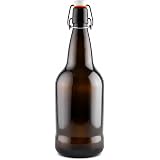
The final step in the brewing process is packaging. Bottling is a common and accessible method. Pry-top bottles are a standard vessel for homebrew. These bottles are designed to withstand carbonation pressure. They must be thoroughly cleaned and sanitized. Sanitation is paramount in preventing spoilage. A dual-lever capper secures crown caps onto the bottles. This mechanism creates an airtight seal. This seal is crucial for maintaining carbonation. It also prevents external contamination.
Prior to bottling, a small amount of priming sugar is added. This sugar is consumed by residual yeast. This secondary fermentation produces carbon dioxide. The gas dissolves into the beer. This process carbonates the beer within the bottle. This technique is known as bottle conditioning. Proper carbonation enhances flavor and mouthfeel. Careful attention to cleanliness and proper capping ensures product integrity. Selecting reliable homebrewing equipment for bottling is non-negotiable. This secures the quality of your finished craft homebrew.
Fermenting Your Knowledge: Home Brew Equipment Q&A
What kind of pot is best for brewing beer?
A stainless steel brewpot is ideal because it doesn’t react with the wort, preventing off-flavors, and is easy to clean. A 7.5-gallon size is recommended to avoid boil-overs.
What is the purpose of a fermenter and an airlock?
The fermenter provides a sterile space for yeast to turn sugar into alcohol, and the airlock lets CO2 out while keeping unwanted air and contaminants from entering.
Why is a hydrometer important for homebrewing?
A hydrometer measures the sugar content in your wort before and after fermentation, which helps you calculate the alcohol by volume (ABV) of your finished beer.
What is priming sugar and why is it used in bottling?
Priming sugar is a small amount of sugar added to beer bottles just before capping. It allows for a secondary fermentation that naturally carbonates your beer in the bottle.