The journey of homebrewing, a delightful blend of science and artistry, often culminates in the satisfaction of pouring a perfectly crafted pint. Few beer styles capture this essence quite like the American Pale Ale, known for its balanced bitterness, vibrant hop aroma, and approachable malt character. The accompanying video offers a concise, step-by-step glimpse into the creation of such a brew, quickly detailing the essential ingredients and processes involved in producing an American Pale Ale right in your own home. Expanding on this foundational overview allows for a deeper understanding of each critical stage, ensuring brewers can replicate and refine their own recipes effectively.
Creating a stellar American Pale Ale involves thoughtful consideration of several key elements, from the selection of grains to the nuanced timing of hop additions. Each ingredient plays a pivotal role in shaping the final flavor profile, contributing to the beer’s body, color, aroma, and bitterness. Understanding these contributions is paramount for both novice and experienced brewers aiming to master this popular and rewarding style. This detailed guide explores the underlying principles behind the process shown, providing additional context and insights for enhancing your brewing endeavors significantly.
Crafting the Malt Bill: Foundation of Your American Pale Ale
The grist, or malt bill, forms the backbone of any beer, and for an American Pale Ale, it is thoughtfully designed to provide fermentable sugars while offering a clean, supportive base for the hops. The chosen combination of base and specialty malts significantly influences the beer’s color, body, and underlying sweetness. Understanding how each component functions is essential for achieving the desired balance and complexity in the finished product. These specific malt selections were made to create a robust yet harmonious foundation for the aggressive hop character.
Selecting the Core Ingredients for an APA
A substantial portion of the fermentable sugars is provided by the base malts, specifically 3.2 kilograms of Simpson’s Best Pale Ale Malt and 1.8 kilograms of Pale Maris Otter. Simpson’s Best Pale Ale Malt is celebrated for its clean, well-rounded character, offering a neutral canvas upon which hop flavors can truly shine. Maris Otter, a classic British pale malt, is valued for imparting a rich, bready, and slightly nutty complexity that adds depth without overpowering the delicate hop notes. These malts ensure a sufficient sugar content for a beer with moderate alcohol levels and a pleasing mouthfeel. The synergistic effect of these two base malts forms a solid foundation for the distinct American Pale Ale profile.
Complementing these base malts are specialty grains, chosen for their specific contributions to the beer’s character. 310 grams of CaraPils, also known as Dextrin malt, are included primarily for its ability to enhance head retention and contribute to a fuller body without adding significant sweetness or color. This malt is crucial for achieving that appealing, creamy head often desired in an APA. Furthermore, 151 grams of Melanoidin malt are incorporated to boost rich, malty flavors and aromas, often described as bready, toasted, or honey-like. Melanoidin malt replicates some of the flavor complexities typically found in decoction mashes, making it an excellent choice for brewers using a simpler single-infusion method. Together, these specialty malts layer in complexity and improve the overall sensory experience of the American Pale Ale.
Mastering the Mash Process for Optimal Extraction
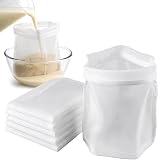
The mashing phase is where the starches in the malt are converted into fermentable sugars by naturally occurring enzymes, a critical step determining the final beer’s sweetness, body, and alcohol content. Precise temperature control and consistent agitation are key factors influencing enzyme activity and extraction efficiency. This controlled process sets the stage for a successful fermentation and a well-balanced American Pale Ale. The use of a grain bag simplifies the separation of wort from grain, making the entire operation much more manageable for homebrewers.
Executing the Mash Protocol
Initial heating of the water to the target mash temperature is fundamental, as it activates the enzymes responsible for starch conversion. Once the water reached the appropriate temperature, the grain bag containing the precisely measured malts was carefully submerged. A gentle yet thorough stir was given to the grains 30 minutes into the mash, ensuring an even temperature distribution throughout the mash bed. This periodic agitation helps to maximize the contact between the enzymes and starches, leading to a more efficient conversion process. Maintaining a consistent mash temperature within the target range, typically between 65-69°C (149-156°F) for an APA, promotes the desired balance of fermentable and unfermentable sugars.
After another 30 minutes, the temperature was verified, and further stirring was performed for 15 minutes, again optimizing conversion and extraction. The total mash time, generally 60-90 minutes, allows sufficient time for the enzymes to work their magic. Following the completion of the mash, the grain bag was carefully drained, separating the sugary liquid, known as wort, from the spent grains. This sparging process rinses additional sugars from the grain, contributing to the overall efficiency of the brew. The resulting wort, now rich in fermentable sugars, was then ready for the next crucial stage: the boil.
The Art of Hopping an American Pale Ale: Bitterness, Flavor, and Aroma
The hop schedule is arguably the defining characteristic of an American Pale Ale, dictating its signature bitterness, aromatic intensity, and flavor profile. Hops added at different stages of the boil contribute distinct qualities to the beer. Early additions are primarily for bitterness, while later additions and dry hopping (or hop stands) contribute delicate flavors and volatile aromas. A well-constructed hop schedule ensures a harmonious interplay between bittering, flavor, and aroma components. This careful layering of hop characteristics defines the sensory experience of an APA.
Strategic Hop Additions During the Boil
The short 30-minute boil commenced with the addition of 23 grams of Magnum hops, a high alpha acid variety known for contributing a clean, firm bitterness without imparting strong flavor or aroma characteristics. These early additions are crucial for achieving the desired International Bitterness Units (IBUs) in the final beer. As the boil progressed, subsequent additions were made to layer in flavor and aroma. At the 15-minute mark, 50 grams of Perle hops were introduced, offering a pleasant earthy, spicy, and sometimes floral character that complements the malt backbone. Perle hops are often valued for their versatility as both a bittering and aroma hop.
Further enhancing the hop profile, 40 grams of Perle and 16 grams of Columbus hops were added at the 5-minute mark, maximizing their contribution to the beer’s flavor and aroma without excessive isomerization of their alpha acids. Columbus hops are celebrated for their pungent, citrusy (often grapefruit), and piney notes, a hallmark of many American hop-forward beers. Finally, at the very end of the boil, 25 grams of Columbus hops were added and allowed a 20-minute hop stand. This technique, performed at lower temperatures (around 80°C or 175°F), extracts delicate hop oils responsible for intense aroma and flavor without extracting much bitterness. The hop stand is paramount for creating the vibrant, fresh hop character expected in a classic American Pale Ale.
Fermentation with Kviek Voss: Speed and Cleanliness
Fermentation is where yeast transforms the wort into beer, consuming sugars to produce alcohol, carbon dioxide, and a myriad of flavor compounds. The choice of yeast and the conditions under which it ferments profoundly influence the final beer’s character. In this instance, the selection of Kviek Voss yeast signifies a modern approach to brewing, prioritizing speed and a clean flavor profile. This particular strain of yeast is known for its robust performance under challenging conditions. Such innovative yeast choices are increasingly popular among homebrewers seeking efficiency and unique results.
Unlocking the Potential of Kviek Voss Yeast
Once the boiled wort was cooled to 40 degrees Celsius, it was transferred to the fermenter, and the Kviek Voss yeast was pitched. Kviek yeasts, originating from Norway, are remarkable for their ability to ferment effectively at significantly higher temperatures than traditional ale yeasts, often producing clean flavors with minimal off-notes. Voss Kviek, in particular, is celebrated for its quick fermentation times and its tendency to produce subtle citrusy, often orange peel-like, esters. The elevated fermentation temperature of 40°C is perfectly suited for this yeast, allowing for a rapid and complete fermentation process. This efficiency makes Kviek a favorite for brewers aiming for a quick turnaround without compromising on quality.
The beer was left to ferment for a week, a remarkably short period enabled by the vigor of the Kviek Voss strain. During this time, the yeast rapidly converted the fermentable sugars into alcohol and carbon dioxide, developing the characteristic flavors of the American Pale Ale. After this intense fermentation period, the beer was ready for bottling, signifying the final step before maturation and enjoyment. The high flocculation of Kviek yeast also means it often drops out of suspension quickly, contributing to a clearer beer in a shorter amount of time. The resulting American Pale Ale, brewed with this innovative approach, would be expected to exhibit a crisp, clean profile with a pleasant hop forwardness, ready for consumption relatively quickly.
Hops & Queries: Your American Pale Ale Questions Answered
What is an American Pale Ale (APA)?
An American Pale Ale is a popular beer style known for its balanced bitterness, vibrant hop aroma, and approachable malt character. It’s a delightful blend of science and artistry to brew at home.
What main ingredients are used to make an American Pale Ale?
To brew an American Pale Ale, you’ll need malt grains (like Pale Ale Malt and Maris Otter), hops (such as Magnum, Perle, and Columbus), and yeast (like Kviek Voss). These ingredients collectively define the beer’s flavor, aroma, and body.
What happens during the ‘mashing’ process in brewing?
Mashing is when malt grains are steeped in hot water, allowing natural enzymes to convert starches in the grains into fermentable sugars. This step is critical for determining the beer’s sweetness, body, and alcohol content.
Why are hops added at different times when brewing an American Pale Ale?
Hops are added at different stages of the boil to achieve specific results: early additions primarily contribute bitterness, while later additions and hop stands enhance delicate flavors and intense aromas. This strategic layering defines the beer’s overall hop profile.
What is unique about Kviek Voss yeast for fermentation?
Kviek Voss yeast is special because it can ferment very quickly and effectively at significantly higher temperatures than traditional yeasts, often producing clean flavors with subtle citrusy notes. This allows for a rapid brewing turnaround without compromising quality.