There’s nothing quite like the cozy embrace of a well-crafted beer when the temperatures drop. As you might have seen in the accompanying video, a rich, malty, and full-bodied brown ale is a perfect companion for the colder months between fall and spring. If you’re keen to bring this delightful style to your own tap, understanding the recipe and process is key. This article dives deeper into the art and science behind brewing a delicious brown ale, expanding on the insights shared in the video.
Crafting the Perfect Base: Malt Selection for Your Brown Ale
Just like a painter prepares a canvas, a brewer starts with a base malt. For this particular brown ale, Maris Otter malt makes up a substantial 80% of the grain bill. This classic British pale malt is prized for its mild, malty character, offering subtle nutty, biscuity, and bready notes. It provides the perfect foundation, a gentle stage upon which other specialty malts can truly shine without being overwhelmed.
1. Building on this foundation, several other malts are layered in to create the distinctive complexity of a brown ale:
- 7% Biscuit Malt: Imagine the comforting aroma of freshly baked goods – that’s what Biscuit malt brings. It enhances the bready and nutty flavors, adding a delightful crunch-like depth to the beer’s profile.
- 7% Crystal 60 Malt: Often called Caramel malt, Crystal 60 contributes rich caramel and toffee notes, along with a touch of sweetness. It also lends beautiful reddish-brown hues to the beer and improves body and head retention, making your home brew brown ale look as good as it tastes.
- 4% Brown Malt: This malt, historically a staple in many traditional British ales, adds a unique toastiness and a dry, roasted character. It’s like adding a subtle hint of well-done toast to your brew, enhancing its complexity without overpowering.
- 2% Chocolate Malt: Don’t let the name fool you – Chocolate malt doesn’t make your beer taste like a candy bar. Instead, it imparts deep, dark roasted flavors, often reminiscent of cocoa or coffee. In smaller percentages, as used here, it adds color and a delicate layer of roasty depth that rounds out the malt profile beautifully.
The careful combination of these malts is what gives the brown ale its signature balance of malt, bread, nuttiness, and a touch of sweetness – a truly inviting symphony of flavors.
Hops and Their Role: A Different Approach for Brown Ale
Hops often grab headlines for their bitterness in IPAs, but in a brown ale, their role is typically more subtle. The video highlights using homegrown Centennial hops, which are more commonly found in highly aromatic and bitter styles like Pale Ales and IPAs. However, their use here illustrates an important brewing principle: adaptability.
2. Since the exact alpha acid percentage of homegrown hops can be a mystery, using them primarily as a late addition, specifically during the final 10 minutes of the boil, is a smart move. This strategy maximizes their aromatic contribution while minimizing bitterness. Imagine adding a pinch of fragrant herbs to a stew just before serving; you get the aroma without the raw, herbaceous bite. For a brown ale, which prioritizes malt character, a gentle hop presence complements rather than competes.
If you’re looking for alternatives, classic English hop varieties like Fuggle or East Kent Goldings are often favored in traditional brown ales for their earthy, woody, and floral notes, which harmonise perfectly with the rich malt profile.
Yeast: The Invisible Brewer Behind Your Brown Ale
The magic of fermentation largely depends on the yeast, and for a British-style brown ale, a specific character is desired. The Imperial A09 Pub Ale yeast, apparently sourced from London’s famous Fuller’s brewery, was chosen for this brew. This British ale yeast is known for producing beers with a lovely balance, often contributing subtle fruity esters (think hints of pear or apple) and a mild diacetyl profile (a buttery note that’s acceptable in moderation for some British styles). It also tends to flocculate well, meaning it settles out of the beer relatively quickly, leading to a clearer finished product.
3. If Imperial A09 isn’t available, the video mentions comparable yeasts like Wyeast 1968 London ESB, White Labs 002 English Ale Yeast, or Lalemand London ESB yeast. These yeasts share similar characteristics, reliably delivering the traditional flavor profile expected in a classic British brown ale. Preparing a small yeast starter, even if the yeast pack is robust, is often a good practice to ensure a healthy and vigorous fermentation start – a crucial step for any home brew.
The Brewing Process: From Grains to Glass for Your Brown Ale
Brewing a brown ale involves several key stages, each contributing to the final character of the beer:
4. Mashing In and Mashing: The process begins by mashing in, mixing the crushed grains with hot water. A basic mash schedule of 150°F for one hour is critical. This temperature range is ideal for activating enzymes in the malt that convert complex starches into fermentable sugars. Think of it like a gentle baking process, preparing the sweet liquid (wort) that the yeast will later transform into beer. This specific temperature helps ensure a good balance of fermentable and unfermentable sugars, contributing to the brown ale’s desirable body and residual sweetness.
5. Sparge and Boil: After mashing, the sweet wort is drained and sparged (rinsed) from the grain bed to extract as much sugar as possible. The goal is to reach a pre-boil volume of around 6.4 gallons. The wort is then brought to a rolling boil. During the boil, sanitization occurs, and hop additions are made. As highlighted in the video, the Centennial hops were added during the last 10 minutes. This late addition approach ensures that their aromatic qualities are preserved, rather than boiled away, providing a pleasant subtle aroma without much bitterness.
6. Cooling and Fermentation: Post-boil, the wort needs to be rapidly cooled to pitch temperature (around 67°F) before transferring it to the fermenter. This quick cooling minimizes the risk of contamination and sets the stage for healthy yeast activity. Once in the fermenter, the Imperial A09 Pub Ale yeast is pitched. The beer is then allowed to ferment for approximately three weeks at 67°F. This consistent temperature helps the yeast produce its characteristic flavors without off-notes. The journey from original gravity (OG) of 1.052 to a final gravity (FG) of 1.012 indicates a healthy fermentation, resulting in a sessionable 5.2% ABV.
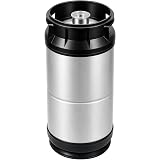
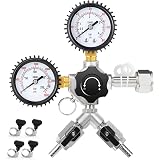
7. Conditioning and Carbonation: After fermentation, the brown ale is transferred to a keg for conditioning. This period allows flavors to meld, harsh notes to mellow, and the beer to clarify. Finally, carbonation at 2.3 volumes of CO2 provides the perfect effervescence for this style – a smooth, creamy head and a gentle sparkle that enhances the drinking experience. This level is like a soft whisper of fizz, rather than a loud roar, perfectly suiting the beer’s malty character.
The Final Sip: Enjoying Your Home Brew Brown Ale
The true reward of brewing is, of course, the tasting. The resulting brown ale, as reviewed in the video, presents a beautiful, although slightly lighter than anticipated, color with an appealing complimentary head. Its opaque nature is a stylistic preference, emphasizing the natural goodness within. The aroma promises good things, leading to a taste profile that delivers: a smooth, creamy head, notes of sweet bread, biscuit, and caramel, all going down incredibly easy. The absence of significant bitterness or hoppy notes ensures the malt reigns supreme, as it should in a classic brown ale.
Exploring different British ale yeasts or varying the combination of specialty malts can lead to endless discoveries, allowing you to fine-tune your ultimate brown ale recipe. Your next home brew brown ale could be just an experiment away!
Pouring Over Your Winter Brown Ale Questions
What is a brown ale?
A brown ale is a rich, malty, and full-bodied beer style, often enjoyed in colder months. It typically offers a balanced profile of malt, bread, nuttiness, and a touch of sweetness.
What are the main ingredients for brewing a brown ale?
The main ingredients for a brown ale are various types of malt for flavor and sugars, hops for subtle aroma, and yeast for fermentation. Water is also a crucial component.
What is the purpose of malt in a brown ale recipe?
Malt provides the base for the beer’s flavor profile, contributing notes like nutty, biscuity, caramel, and roasted characteristics. It also contains starches that convert to sugars, which the yeast ferments into alcohol.
What is the role of hops in brewing a brown ale?
In a brown ale, hops usually have a subtle role, focusing on adding aromatic qualities rather than strong bitterness. They are chosen to complement the beer’s rich malt flavors without overpowering them.