A rich tapestry of malts and the vibrant zest of Citra hops combine to create an enticing aroma, as demonstrated in the accompanying video showcasing the **home brewing of an American Brown Ale**. With an estimated SRM (Standard Reference Method) beer color of 19, this particular brew promises a deep, inviting hue that speaks to its complex flavor profile. Achieving such a distinctive character requires a careful balance of ingredients and a meticulous approach to the brewing process.
For many intermediate brewers, crafting an American Brown Ale offers a rewarding challenge, allowing for experimentation with specialty grains and hop schedules. This guide expands on the techniques and ingredients highlighted in the video, providing a deeper understanding of how each component contributes to the final beer. We’ll delve into the specifics of the recipe, the science behind steeping, and crucial fermentation considerations that can elevate your next batch of **home brewed** goodness.
Crafting Your American Brown Ale: A Recipe Deep Dive
The foundation of any great beer lies in its recipe. In the video, Craig, with the valuable assistance of immolateus, details a partial mash recipe for an American Brown Ale that balances malty richness with a unique hop presence. Understanding each ingredient’s role is key to replicating or even improving upon this delicious beer.
The Foundation: Malt Extracts and Specialty Grains
This recipe cleverly utilizes both liquid and dry malt extract alongside specialty grains, a popular approach for intermediate **home brewers** seeking a step up from basic extract brewing without the full commitment of an all-grain system. Craig begins with 6.6 pounds of light liquid malt extract (LME), specifically two cans of Coopers unhopped LME. This provides the bulk of the fermentable sugars, offering a clean, neutral base upon which the specialty grains can build character. Unlike hopped extracts, unhopped LME allows the brewer complete control over the hop profile, which is essential for defining the “American” character of this brown ale.
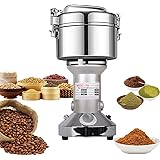
Complementing the LME are two pounds of Crystal 40 malt, already ground up, and 0.22 pounds of chocolate malt. These specialty grains are crucial for contributing color, body, and complex flavors. Crystal 40, a caramel malt, infuses the beer with notes of caramel, toffee, and a touch of sweetness, enhancing mouthfeel and head retention. On the other hand, the small addition of chocolate malt provides the beer’s darker, reddish-brown color, contributing to the SRM of 19, and imparts subtle roasted, nutty, or cocoa-like flavors without introducing the harshness often associated with darker roasted malts. The precise grinding of these grains, as Craig shows with his small home brew grain crusher, ensures efficient extraction of their valuable compounds during steeping.
In addition to the liquid malt extract, one pound of Breese light dry malt extract (DME) from Midwest Home Brew Supply is incorporated. DME, essentially dehydrated wort, serves to boost the original gravity without adding too much volume, making it an excellent tool for adjusting alcohol content or adding fermentable sugars to a partial mash. The light variety ensures it doesn’t significantly alter the intended color or flavor profile established by the specialty grains and LME, providing a neutral source of sugars for the yeast.
The Star: Citra Hops for Bittering and Aroma
The choice of hops for an American Brown Ale is paramount, as it differentiates it from its English counterpart. Craig’s recipe features Citra hops, a popular variety known for its distinctive and potent aroma and flavor. He uses one ounce of Citra hops for bittering at the start of the boil, providing the necessary balance to the sweetness of the malts. Bittering hops, added for longer durations during the boil, primarily contribute alpha acids, which are isomerized into iso-alpha acids, the compounds responsible for the beer’s bitterness.
However, the real magic of Citra often shines through its aroma contribution. Craig adds a half-ounce of Citra hops five minutes before flame out. This late addition means the delicate aromatic oils are preserved, imparting vibrant notes of grapefruit, lime, passion fruit, and other tropical fruits to the finished American Brown Ale. This bright, citrusy character provides a delightful contrast to the rich, malty backbone, creating a dynamic and highly drinkable beer that truly embodies the “American” style. Using fresh, cured leaf hops, as immolateus provided, can intensify these aromatic qualities, making them a premium choice for aroma additions.
The Fermentation Engine: Wyeast British Ale Smakpack
Yeast is the unsung hero of beer, transforming wort into an alcoholic beverage and profoundly influencing its flavor. For this American Brown Ale, Craig opts for a Wyeast British Ale Smakpack. While the style is “American,” a British ale yeast can be an excellent choice for a brown ale due to its ability to ferment to a relatively clear beer while accentuating malt flavors and often contributing subtle fruity esters (like pear or apple). These characteristics complement the rich malt profile of a brown ale beautifully, providing a traditional foundation for the modern hop twist.
The ‘smacking’ of the Smakpack is a critical step, activating the yeast and allowing it to build a healthy population before pitching. Craig mentions his pack had been expanding for four hours, indicating the yeast was active and ready to perform. A healthy yeast pitch is vital for a smooth and complete fermentation, preventing off-flavors and ensuring the beer ferments to its target gravity. Any issues with yeast health or pitching temperature, as Craig briefly experienced with a slightly high temperature, can impact the final beer’s quality and stability.
Mastering the Brew Day: From Steeping to Chilling
Brew day involves a series of carefully orchestrated steps, each crucial for the quality of the final American Brown Ale. From extracting the goodness of specialty grains to efficiently chilling the wort, precision and attention to detail are key for any **home brewer**.
Steeping Specialty Grains: Color and Complexity
The steeping of specialty grains is a simple yet powerful technique in partial mash or extract brewing. Craig demonstrates this by placing his Crystal 40 and chocolate malts in a grain bag at the bottom of his brew pot, ensuring a plate is underneath to prevent scorching. The goal is to heat the water to around 170°F and then let the grains steep for approximately 30 minutes, allowing them to impart their color, flavor, and unfermentable dextrins to the brewing liquor. While the video shows the dramatic color change as the water warms, it’s also during this phase that complex sugars and aromas are extracted, contributing significantly to the beer’s malt character and body.
The temperature of 170°F is critical; temperatures much higher can extract undesirable tannins from the grain husks, leading to astringency in the finished beer. Once steeping is complete, the grain bag is carefully removed and allowed to drip, with Craig noting that he doesn’t sparge (rinse with hot water) these specialty grains as he would with a two-row base malt. This is a common practice for specialty grain steeping, as the small amount of sugars left behind is minimal, and over-rinsing could lead to tannin extraction.
The Boil: Combining Extracts and Hops
After the specialty grains are removed, the enriched brewing liquor is brought to a boil. Just before reaching the boiling point, Craig adds the dry malt extract, stirring it in thoroughly to ensure it dissolves completely and doesn’t scorch on the bottom of the pot. Introducing DME before the full boil begins helps integrate it smoothly into the wort. Once a vigorous boil is established, the hop additions commence.
As previously mentioned, the one ounce of Citra hops goes in for the full 60-minute boil to provide bittering. Around 55 minutes later, the half-ounce of Citra hops is added for aroma, just five minutes before flame out. This staggered addition ensures the bittering components have ample time to isomerize, while the delicate aromatic compounds are retained. A Whirlfloc tablet is also added during the boil. Whirlfloc is a fining agent derived from Irish moss, and it helps clarify the beer by aiding in the coagulation of proteins and other haze-forming compounds, leading to a brighter, clearer finished **American Brown Ale**.
Efficient Cooling with a Wort Chiller
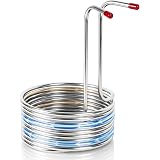
Rapidly cooling the wort after the boil is a crucial step in **home brewing**. It helps prevent the formation of off-flavors (like DMS, which can taste like cooked corn), promotes the “cold break” (where proteins and other solids drop out of suspension, contributing to clarity), and prepares the wort for yeast pitching. Craig utilizes a wort chiller, another generous donation from Midwest Home Brew Supply, to bring the temperature down quickly. A wort chiller works by running cold water through a coiled tube immersed in the hot wort, efficiently transferring heat away.
Without a wort chiller, cooling can take much longer, increasing the risk of bacterial contamination as the wort passes through the “danger zone” temperature range where wild yeasts and bacteria thrive. Craig’s efficient cooling setup ensures a clean and healthy environment for his Wyeast British Ale Smakpack to thrive.
Pitching Yeast and Initial Fermentation
Once the wort is adequately chilled, it’s transferred to the fermenter, and the yeast is pitched. This is the moment the magic truly begins. Craig notes a slight challenge in hitting his target pitching temperature, admitting it was “a little high.” While he cooled it with the wort chiller and topped it up with cold water, yeast pitching temperature is paramount. Pitching too warm can lead to excessive ester production (fruity flavors) that might not be desired, fusel alcohols (harsh, solvent-like flavors), and an overall ‘hot’ fermentation. Conversely, pitching too cold can result in sluggish fermentation or incomplete attenuation.
The original gravity (OG) is measured at this stage, indicating the concentration of sugars in the wort before fermentation. Craig mentions his OG was “a little lower than I anticipated.” A lower OG could be due to several factors, such as inefficient extraction during steeping, dilution from topping up with cold water, or inaccuracies in measurements. Despite this, the process is robust, and as Craig indicates, such details are often available on his website’s calendar at craigfarraway.com, offering full transparency for fellow **home brewers**. Learning from each batch, even when things don’t go exactly as planned, is an integral part of the continuous journey of home brewing.
Pouring Out Answers: Your American Brown Ale Q&A
What is an American Brown Ale?
An American Brown Ale is a type of beer known for its rich malt flavors and vibrant hop aroma, often featuring citrus notes. It typically has a deep, reddish-brown color and a complex flavor profile.
What are specialty grains used for in brewing?
Specialty grains are added to beer recipes to provide specific colors, body, and complex flavors like caramel, toffee, or subtle roasted notes. They enhance the beer’s overall character.
Why are hops added to beer?
Hops are added to beer to balance the sweetness of the malts by contributing bitterness. They also impart a range of aromas and flavors, such as citrus, floral, or fruity notes, depending on when they are added during brewing.
What does yeast do in the brewing process?
Yeast is crucial for fermentation, converting the sugars in the unfermented beer (wort) into alcohol and carbon dioxide. It also significantly influences the final flavor and aroma of the beer.
Why is it important to cool the beer (wort) quickly after boiling?
Rapidly cooling the wort after boiling is important to prevent unwanted off-flavors and help the beer become clearer. It also quickly brings the wort to a safe temperature for the yeast, which helps prevent contamination.